
Table of Contents
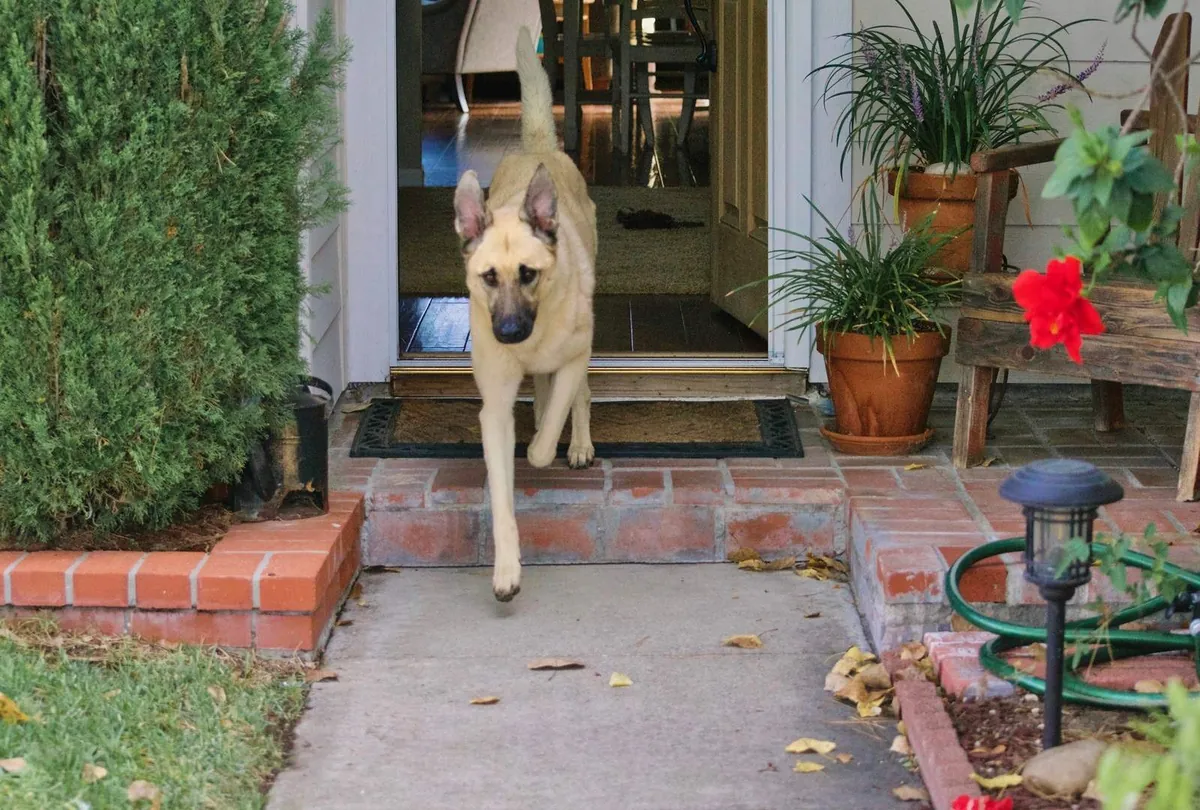
A dog running out through an open door or slipping through a gap in the garden fence can happen in seconds. One moment your dog is beside you, and the next, you are running down the street calling their name.
So, why do dogs run away?
There is rarely just one answer. Dogs may run away because they are curious, frightened, bored, looking for another dog, following an interesting scent, or simply taking advantage of an opportunity to explore. Even a well-trained dog can run when something suddenly triggers its instincts.
Understanding the reason behind the behavior is an important part of preventing it.
Why Do Dogs Run Away?
1. Your Dog Is Curious and Wants to Explore
Dogs are naturally curious. They use their noses, ears, and eyes to investigate the world around them.
A new smell coming from the street, another animal nearby, an unfamiliar sound, or people passing outside can be enough to make a dog want to investigate.
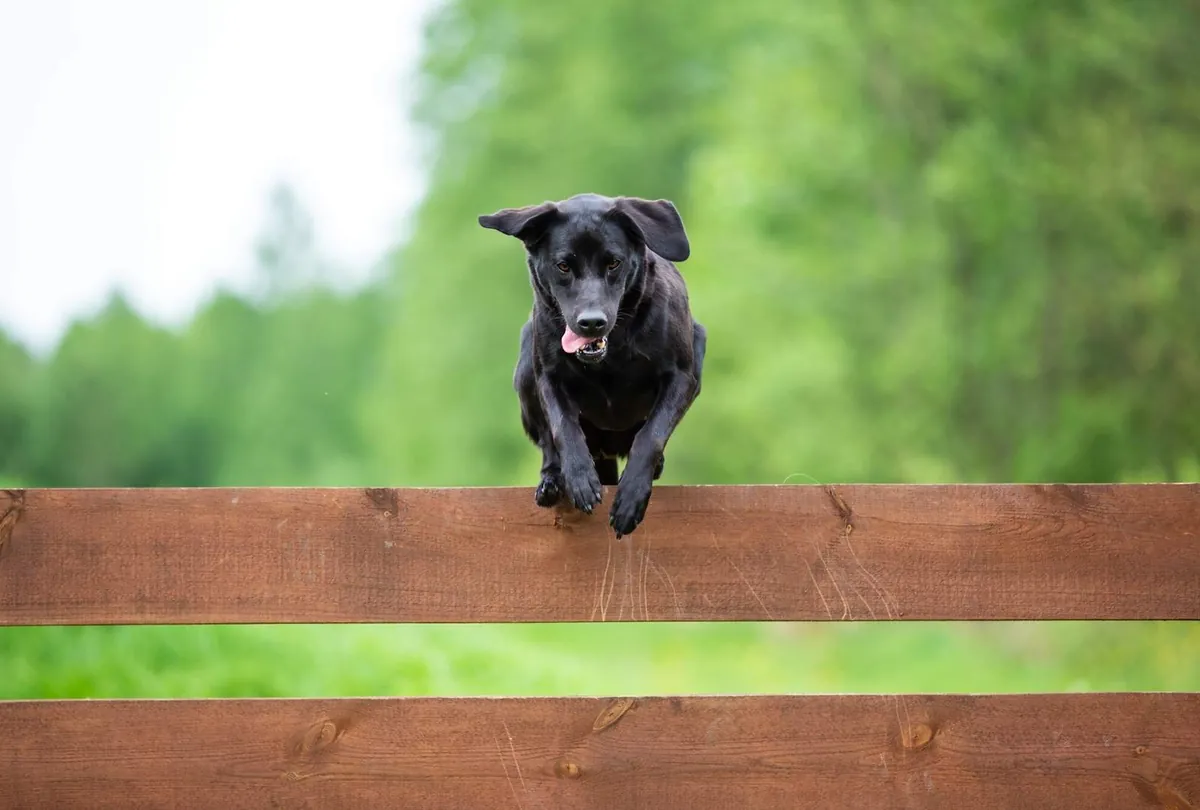
If your dog sees an open gate or door, they may not understand that leaving the property could put them in danger. To them, the other side simply looks interesting.
This is one of the most common reasons dogs run away from home.
How to prevent it
Check your property regularly for potential escape routes. Look for gaps under fences, loose panels, broken gates, and doors that do not close securely.
You should also avoid assuming that a small gap is harmless. Dogs can squeeze through surprisingly narrow spaces when they are motivated.
During walks, keep your dog on a secure leash unless you are in a safe, enclosed area. The American Kennel Club recommends practicing recall and using secure environments when allowing dogs off-leash.
2. Your Dog Is Bored or Has Too Much Energy
Sometimes the answer to “why do dogs run away?” is surprisingly simple: they are looking for something to do.
Dogs need appropriate physical activity and mental stimulation. A dog that spends long periods without enough exercise, interaction, play, or enrichment may start looking for its own entertainment.
That could mean digging under a fence, pushing through a gate, chasing birds, following smells, or trying to explore the neighborhood.
A dog does not necessarily need hours of intense exercise every day. The right amount depends on its age, breed, health, and individual energy level. However, regular walks, play, training, and opportunities to explore safely can help reduce boredom-driven behavior.
Give your dog something better to do
Puzzle toys, scent games, training exercises, interactive play, and supervised outdoor time can provide mental stimulation.
Regular walks are also about more than physical exercise. Allowing your dog to safely sniff and investigate its surroundings gives it an opportunity to engage with its environment.
For busy dog owners, structured activities such as dog walking, daycare, or supervised pet care can also help provide a dog’s daily routine with more enrichment and interaction.
Also, read
3. Your Dog Is Chasing Something
A squirrel, bird, cat, another dog, or even a moving vehicle can trigger a dog’s chase instinct.
Once a dog begins chasing something exciting, normal commands can suddenly become much less effective. This is one reason recall training should not be treated as a guarantee that a dog will always come back, particularly in distracting environments.
Some dogs also have stronger instincts to chase or follow scents than others. Breed characteristics can play a role, particularly among dogs developed for hunting or tracking.
Build a reliable recall
Practice your dog’s recall regularly in controlled environments. Start somewhere quiet and gradually introduce distractions.
Use rewards your dog genuinely values when they return. The goal is to teach your dog that coming back to you is always worthwhile.
Avoid turning recall into a punishment. If “come” regularly means the end of fun, getting into trouble, or something unpleasant, your dog may become less enthusiastic about responding.
4. Your Dog Is Frightened
Fear can make a dog run without thinking.
Thunderstorms, fireworks, construction noise, unfamiliar people, other animals, sudden sounds, and stressful situations can trigger a flight response. A dog that normally stays close may suddenly bolt when frightened.
This is particularly important during loud celebrations, storms, or unusual events when doors and gates may be opened more frequently than usual.
A frightened dog may continue running because it is focused on getting away from what it perceives as a threat.
Reduce escape opportunities during stressful events
Keep your dog indoors in a secure, comfortable area when you know there may be loud noises or unusual activity. Check doors, windows, gates, and other potential escape routes.
Do not assume that a dog that has never run away before will not do so during a frightening event.
The ASPCA’s guidance on disaster preparedness also emphasizes keeping pets indoors during emergencies and ensuring identification information is current.
5. Your Dog Has Separation Anxiety
Some dogs do not run away because they want an adventure. They are trying to escape because they are distressed.
Separation anxiety can cause behaviors such as excessive barking, pacing, destructive chewing, digging, and attempts to escape through doors or windows.
You may notice that your dog tries to escape specifically when you leave or when they are separated from you.
Changes in routine, moving home, changes in household members, or changes in how long a dog is left alone can contribute to separation-related problems.
Look for the signs
If your dog repeatedly scratches at doors, chews around windows, paces, howls, drools, or attempts to escape when left alone, do not simply assume they are being naughty.
These behaviors can indicate genuine distress. If the behavior is severe, consider speaking with your veterinarian or a qualified canine behavior professional.
6. Your Dog Is Looking for a Mate
An unneutered dog may be more motivated to roam, particularly when it detects another dog nearby.
Sexual motivation can be powerful enough for a dog to push through boundaries that normally keep it contained. The ASPCA notes that intact male dogs can be more likely to roam in search of a mate.
Discuss your options with your veterinarian
If roaming is connected to reproductive behavior, speak with your veterinarian about whether spaying or neutering is appropriate for your dog.
It should not be viewed as a universal solution to every escape problem. Training, supervision, secure boundaries, and appropriate enrichment remain important.
7. Your Dog Has Learned That Escaping Is Rewarding
Sometimes, dog running away becomes a habit.
Imagine your dog slips through an open gate, explores the neighborhood, receives lots of attention while everyone tries to catch them, and eventually returns home. From your perspective, it was stressful.
From your dog’s perspective, it may have been an exciting adventure.
If escaping repeatedly leads to rewarding experiences, the behavior can become easier to repeat.
This is why prevention matters. Once a dog develops a reliable escape routine, simply telling them not to do it may not be enough.
Make staying home rewarding
Give your dog regular attention, exercise, play, training, and safe opportunities to explore. Reward calm behavior around doors and gates.
You can also practice controlled situations where someone opens a door or gate while your dog is expected to wait. Start with easy exercises and gradually increase the level of distraction.
The goal is to build habits before an actual escape opportunity appears.
What Should You Do If Your Dog Runs Away?
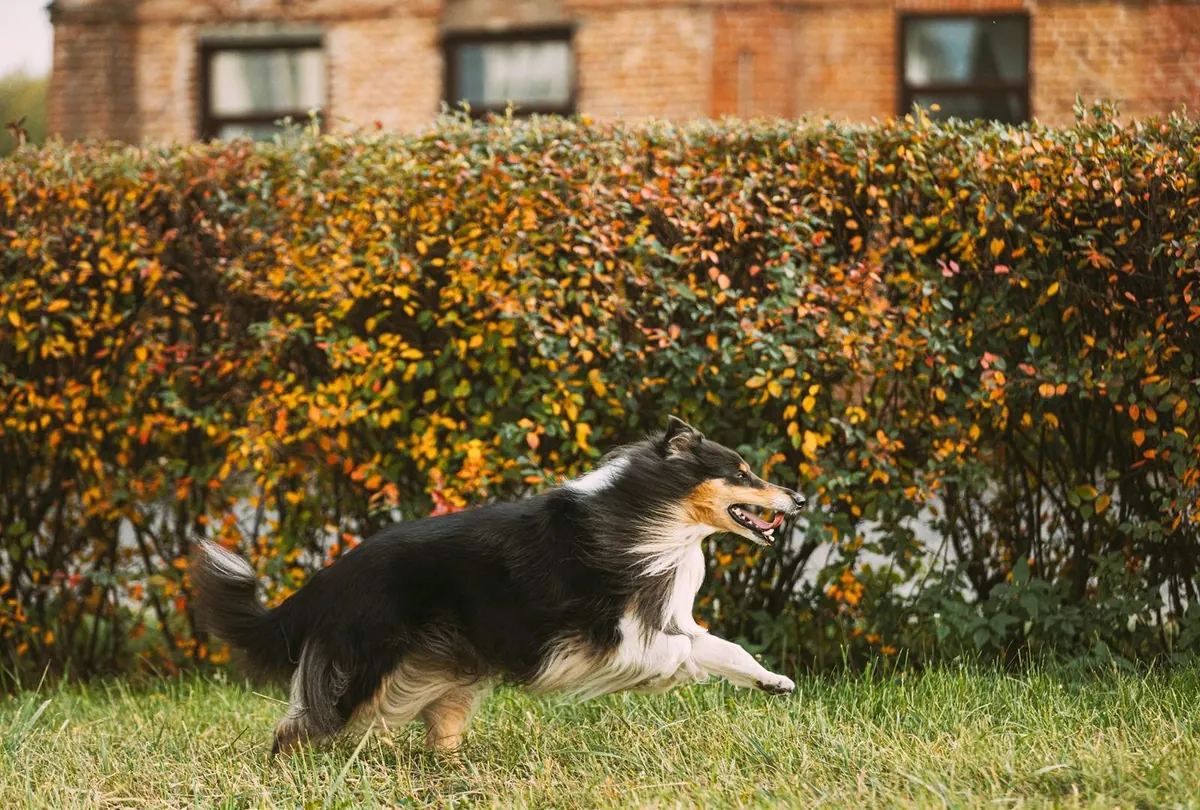
If your dog escapes, act quickly rather than waiting to see if they come home.
Search the immediate area and ask neighbors for help. Bring a recent photo and check places where your dog may have stopped or become trapped.
Contact nearby veterinary clinics, shelters, rescue organizations, and relevant local authorities. Share your dog’s photo and accurate contact details through appropriate local community networks.
The ASPCA’s lost pet guide recommends quickly alerting people in the area, contacting shelters and veterinary facilities, and using clear lost-pet information when searching.
If you see your dog, resist the urge to chase them. A frightened or excited dog may interpret chasing as a game and run even farther. Stay calm, use a familiar voice, and encourage them to come toward you.
Also, read
Looking for Reliable Dog Care in Dubai?
When your dog needs regular care, exercise, or attention while you are busy, having a trusted routine can make a big difference. Dog House Dubai provides boarding, daycare, dog walking, pet sitting, grooming, transport, ear cleaning, teeth brushing, shower and blow-dry sessions, and pet-friendly perfume treatments. Hypoallergenic shampoo upgrades are also available for sensitive pets.
Whether you need someone to care for your dog while you are away or simply want to keep their routine active and engaging, Dog House Dubai offers practical care options for dog owners in Dubai.
Conclusion
So, why do dogs run away?
They may be curious, bored, frightened, chasing something, experiencing separation anxiety, looking for a mate, or simply repeating behavior that has rewarded them in the past.
The important thing is to identify what is driving the behavior rather than treating every escape as simple disobedience.
Secure boundaries, reliable recall training, appropriate exercise, mental stimulation, supervision, and up-to-date identification can all reduce the risk of your dog becoming lost.
And if your dog has started trying to escape repeatedly, take the behavior seriously. Finding the reason behind it early can make it much easier to prevent the next escape.