
Table of Contents
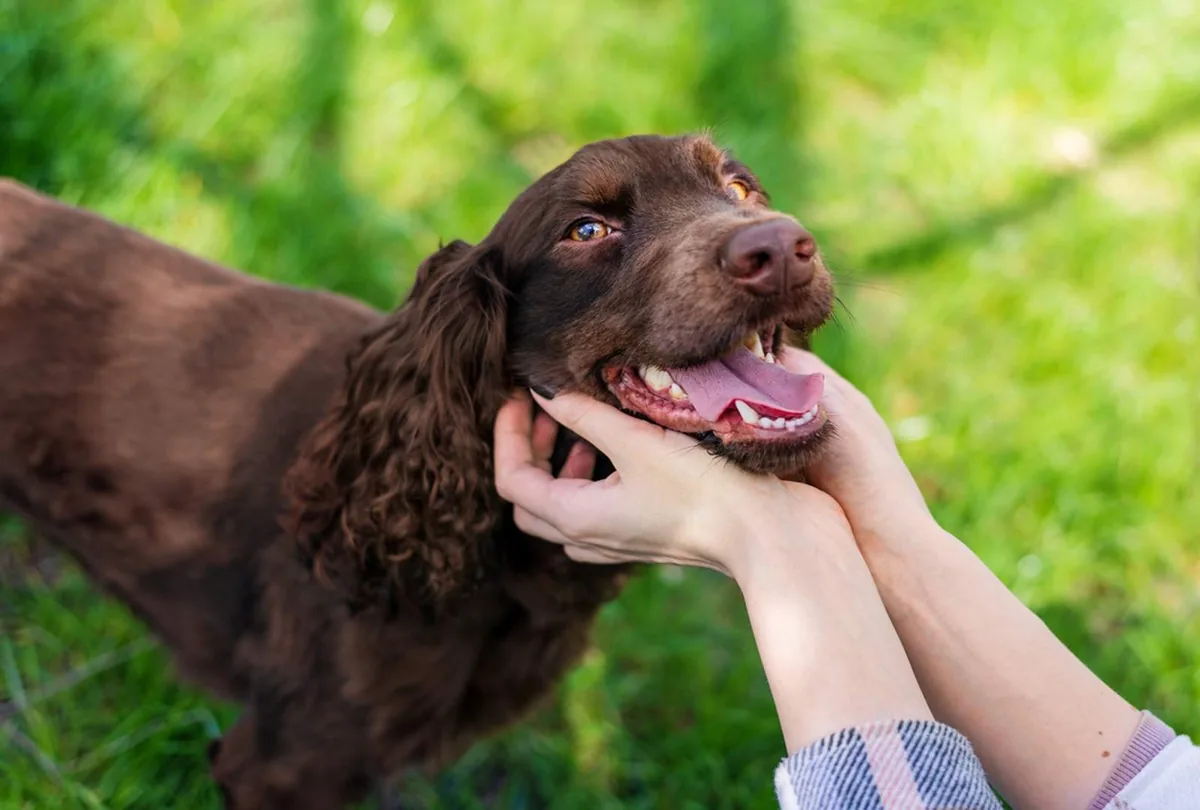
Dogs are naturally lovable, and it can be hard to resist giving a friendly pup a quick pat when you see one. But while petting a dog seems simple, knowing how to pet a dog properly is an important part of having a safe and positive interaction.
Not every dog enjoys being touched in the same way. Some dogs love attention from anyone they meet, while others need time to become comfortable with new people. Even a dog that normally enjoys being petted may want space when it is tired, nervous, overwhelmed, or simply not in the mood.
The key is to approach calmly, pay attention to the dog’s body language, and let the dog have a choice in the interaction.
Whether you are meeting a dog for the first time or spending time with your own pet, these dos and don’ts can help you make petting a positive experience.
Dos: How to Pet a Dog Properly
Ask Before Petting a Dog
When you meet someone else’s dog, always ask the owner before reaching out to pet them.
A simple “Can I pet your dog?” gives the owner an opportunity to tell you whether their dog is comfortable with strangers. There may be a reason the dog should not be approached. It could be nervous around new people, recovering from an injury, working on training, or simply not interested in interacting.
If the owner says no, respect the answer. A dog looking cute is not an invitation.
Let the Dog Approach You
After getting permission from the owner, give the dog a chance to decide whether it wants to interact.
Instead of walking directly toward the dog and putting your hand over its head, stand calmly and allow it to come closer. Turning your body slightly to the side can make your approach less intimidating than facing the dog directly.
You can let the dog sniff you while keeping your movements slow and relaxed. Dogs rely heavily on scent when gathering information about people and their surroundings.
If the dog stays away, turns its head, or moves behind its owner, take that as an answer. Not every dog wants to say hello.
Start With Gentle Petting
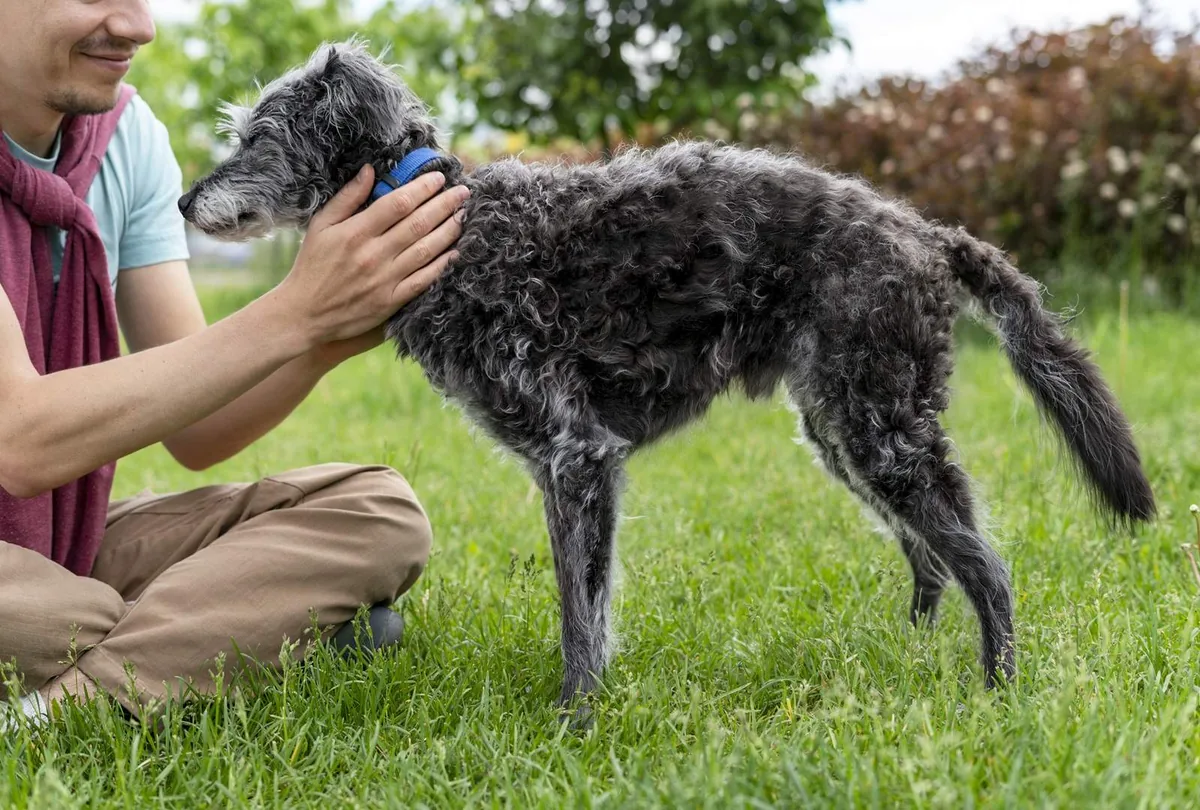
Once a dog appears comfortable, start slowly.
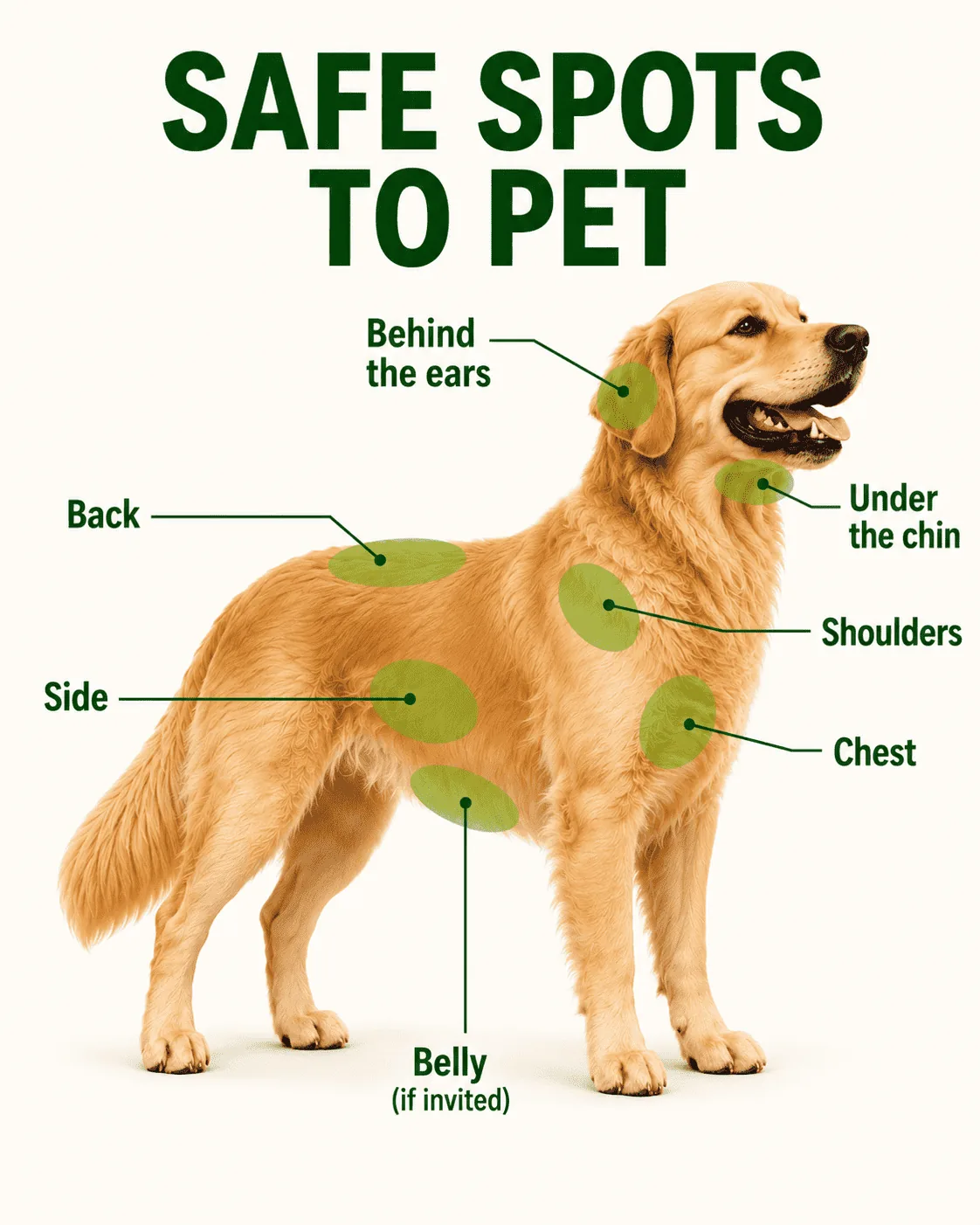
For many dogs, gentle strokes on the chest, shoulders, or side of the neck can be more comfortable than immediately reaching over the head. Keep your touch light rather than patting, thumping, or grabbing.
Pay attention to what happens after you start petting. A relaxed dog may lean toward you, remain close, have a loose body, or actively seek more contact.
You can also pause after a few seconds and see what the dog does next. If the dog moves closer or nudges your hand, it may be asking for more. If it moves away, respect the request for space.
This “pause and observe” approach is useful because dogs communicate extensively through body language. Giving a dog opportunities to disengage can help make interactions more comfortable.
Learn Your Dog’s Body Language
One of the most important parts of learning how to pet a dog properly is recognizing what the dog is communicating.
A relaxed dog may have:
- A loose, relaxed body
- A naturally positioned tail
- Relaxed ears
- Soft-looking eyes
- A relaxed mouth
- A willingness to remain near you
- A tendency to lean into gentle petting
Dogs use their eyes, ears, mouth, tail, posture, and overall movement to communicate how they are feeling. The RSPCA provides a useful guide to understanding different aspects of dog body language.
However, body language needs to be considered as a whole. A wagging tail does not automatically mean a dog wants to be petted. Context matters.
Pay Attention to Where Your Dog Likes Being Petted
Every dog is an individual. Some dogs love a scratch around the chest or shoulders. Others may prefer gentle strokes along their back or neck.
Rather than assuming that all dogs enjoy the same type of touch, pay attention to their response.
Try petting one area gently, pause, and see what the dog does. If the dog comes back for more contact, that is useful information. If it moves away or becomes tense, stop.
Learning these individual preferences can make everyday interactions more enjoyable for both you and your dog.
Don’ts: What to Avoid When Petting a Dog
Don’t Assume Every Dog Wants to Be Petted
One of the biggest mistakes people make is assuming that a friendly-looking dog automatically wants physical attention.
A dog may be calm and friendly but still prefer not to be touched. Some dogs may also be uncomfortable around unfamiliar people, children, loud environments, or sudden movements.
Always give the dog the opportunity to choose whether it wants to interact.
If the dog walks away, hides behind its owner, turns its head, or avoids your hand, leave it alone. Respecting that boundary is part of knowing how to pet a dog properly.
Don’t Reach Straight for the Dog’s Head
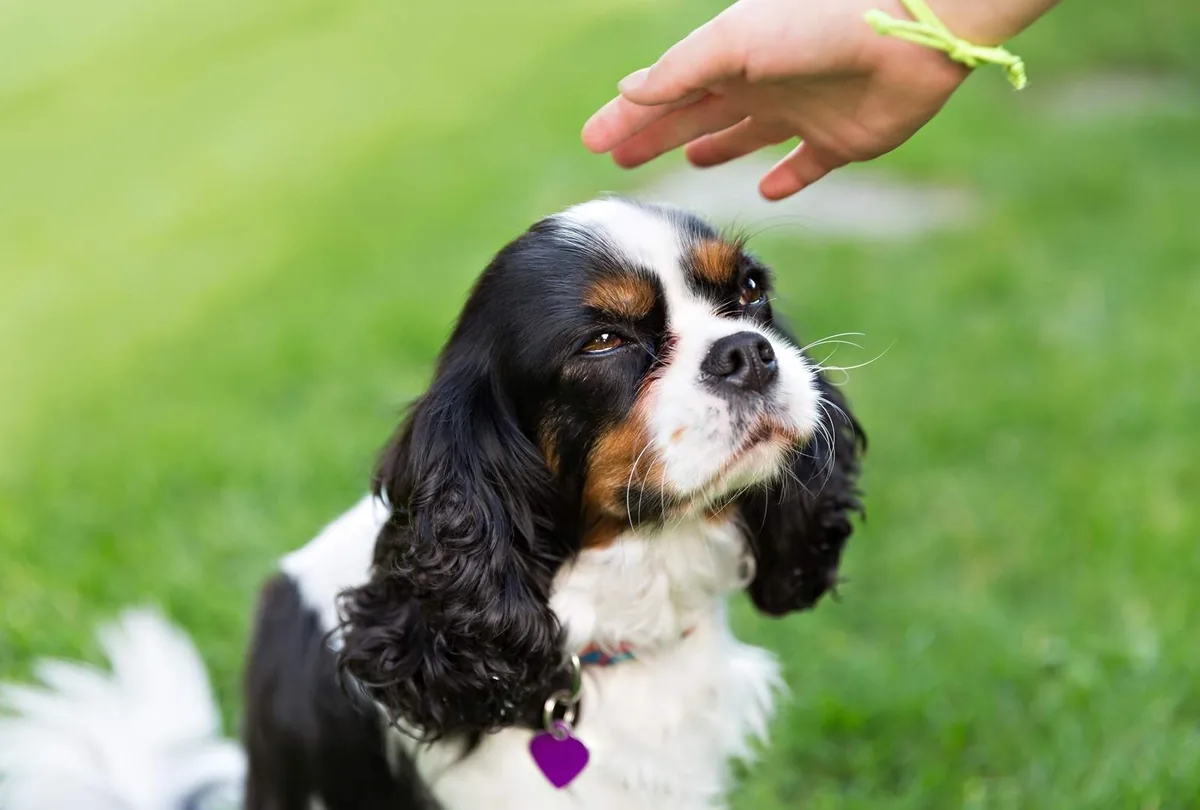
Head pats are one of the most common ways people greet dogs, but many dogs do not particularly enjoy a hand coming down toward their head.
From a dog’s perspective, a person leaning over them and reaching toward their face can feel intimidating. Some dogs may duck their head, turn away, flatten their ears, lick their lips, or move away.
The American Kennel Club notes that reaching directly toward a dog’s face and looming over it can make some dogs uncomfortable.
Instead, begin with calmer contact around the chest or shoulders and let the dog show you what it prefers.
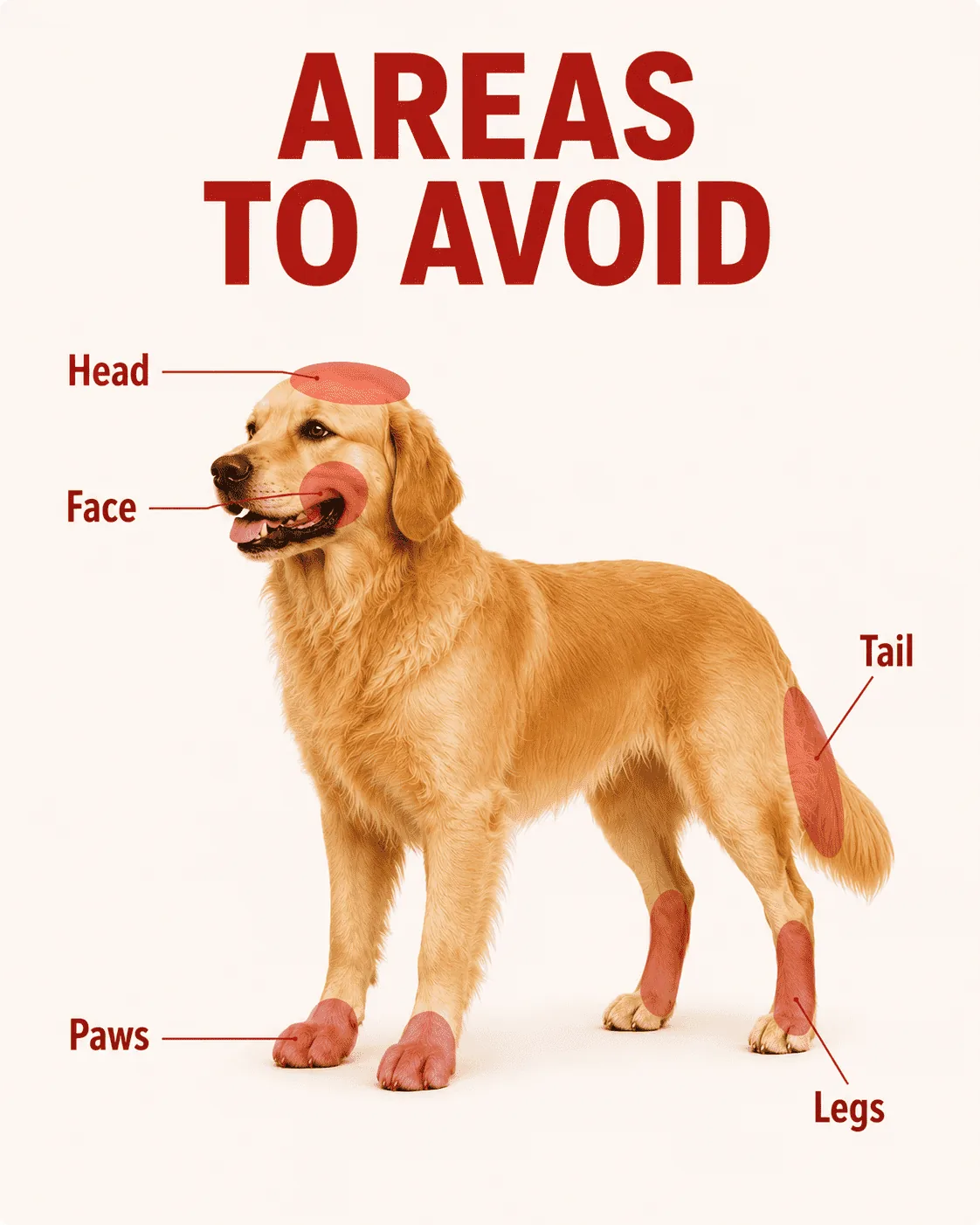
Don’t Hug, Squeeze, or Restrain a Dog
Humans often show affection through hugs, but dogs do not necessarily interpret hugs in the same way.
Wrapping your arms around a dog restricts its ability to move away. Some dogs tolerate this, but tolerance should not automatically be mistaken for enjoyment.
Signs such as freezing, turning the head away, licking the lips, yawning, flattening the ears, or showing the whites of the eyes can indicate discomfort.
The American Kennel Club explains that hugging can be stressful for some dogs because it restricts their movement and prevents them from easily moving away.
For this reason, avoid hugging unfamiliar dogs, especially when you do not know their temperament.
Children should also be taught not to hug, climb on, squeeze, or pull at dogs. Giving dogs an easy way to move away is an important part of safe interaction.
Don’t Ignore Signs That a Dog Is Uncomfortable
Dogs often communicate that they want space before they become more defensive. Learning these early signals can help prevent a stressful interaction from escalating.
Watch for signs such as:
- Turning the head away
- Backing away
- Tucking the tail
- Flattening or pinning back the ears
- Lip licking
- Repeated yawning
- Stiffening the body
- Avoiding eye contact
- Showing the whites of the eyes
- Growling
- Showing teeth
- Attempting to hide or escape
If you notice these signals, stop petting and give the dog room. Never punish a dog for communicating that it is uncomfortable.
Don’t Disturb a Dog That Is Eating or Resting
Even a friendly dog may not appreciate being touched at every moment.
Avoid approaching a dog while it is eating, chewing something valuable, sleeping, hiding, or trying to get away from a busy environment. These situations can make a dog more protective of its space or easier to startle.
Give the dog the opportunity to finish what it is doing before attempting to interact.
This is especially important with children. Teaching children that dogs need uninterrupted time to eat and sleep is a simple habit that can make everyday interactions safer.
Don’t Force Physical Affection
Your dog does not need to accept every form of physical affection.
If your dog walks away from a petting session, let it go. If it does not want to sit beside you, give it space. If it prefers play over cuddling, play can be a great way to spend time together.
Respecting boundaries can strengthen your relationship because your dog learns that you will listen when it communicates.
Dogs and humans do not always express affection in the same way. Sometimes the best way to show your dog you care is simply to give it the choice to come to you.
How to Pet a Dog Properly in 5 Simple Steps
If you want a quick checklist to remember, follow these five steps.
1. Ask the Owner
Never assume an unfamiliar dog is available for petting. Ask the owner first and follow their answer.
2. Approach Calmly
Avoid rushing toward the dog, leaning over it, or making sudden movements. Keep your body language relaxed.
3. Let the Dog Choose
Give the dog an opportunity to approach and sniff you before attempting to touch it.
4. Start Gently
Begin with calm strokes around comfortable areas such as the chest or shoulders.
5. Watch the Response
Continue only while the dog appears relaxed and interested. If the dog moves away or shows signs of stress, stop.
Also, read
Making Every Interaction More Comfortable for Your Dog
Good interactions are built around trust. Instead of focusing on getting a dog to accept attention, focus on making the dog comfortable enough to choose the interaction itself.
This is especially important when dogs are spending time in environments outside their normal routine. New people, places, sounds, and other dogs can affect how comfortable a dog feels.
At Dog House Dubai, understanding individual dogs and their behavior is an important part of caring for them while they are in our environment. Whether a dog is spending time away from home, enjoying a walk, or simply receiving attention, respecting its individual comfort level helps create a better experience.
You can learn more about Dog House Dubai and the dog care services available in Dubai at dog-house.ae.
Conclusion
The proper way to pet a dog is surprisingly simple: ask first, approach calmly, start gently, watch the dog’s body language, and respect its boundaries.
A wagging tail or friendly face should not automatically be treated as permission to touch. Dogs communicate in many subtle ways, and learning to recognize those signals makes interactions safer and more enjoyable for everyone.
The next time you meet a dog, resist the urge to immediately reach for its head. Give it a moment. Let it come to you. Pay attention to its response.
Sometimes, the best way to make friends with a dog is to let the dog make the first move.