
Table of Contents
Why Indoor Exercise for Dogs Matters
Dogs need regular physical activity and mental stimulation, but daily exercise does not always have to happen outdoors. Rain, extreme heat, poor air quality, limited outdoor space, or a busy schedule can make outdoor exercise difficult. Fortunately, there are plenty of ways to keep your dog active indoors.
Indoor exercise for dogs can include movement-based games, training, scent activities, puzzle toys, and simple obstacle courses. The right combination can help your dog stay engaged while giving you more opportunities to spend quality time together.
According to VCA Animal Hospitals, play can provide physical exercise, mental stimulation, and social interaction. The type and amount of activity should be adapted to your dog’s age, health, physical structure, and individual abilities.
Indoor Exercise for Dogs: 9 Ways to Stay Active
1. Play a Game of Indoor Fetch
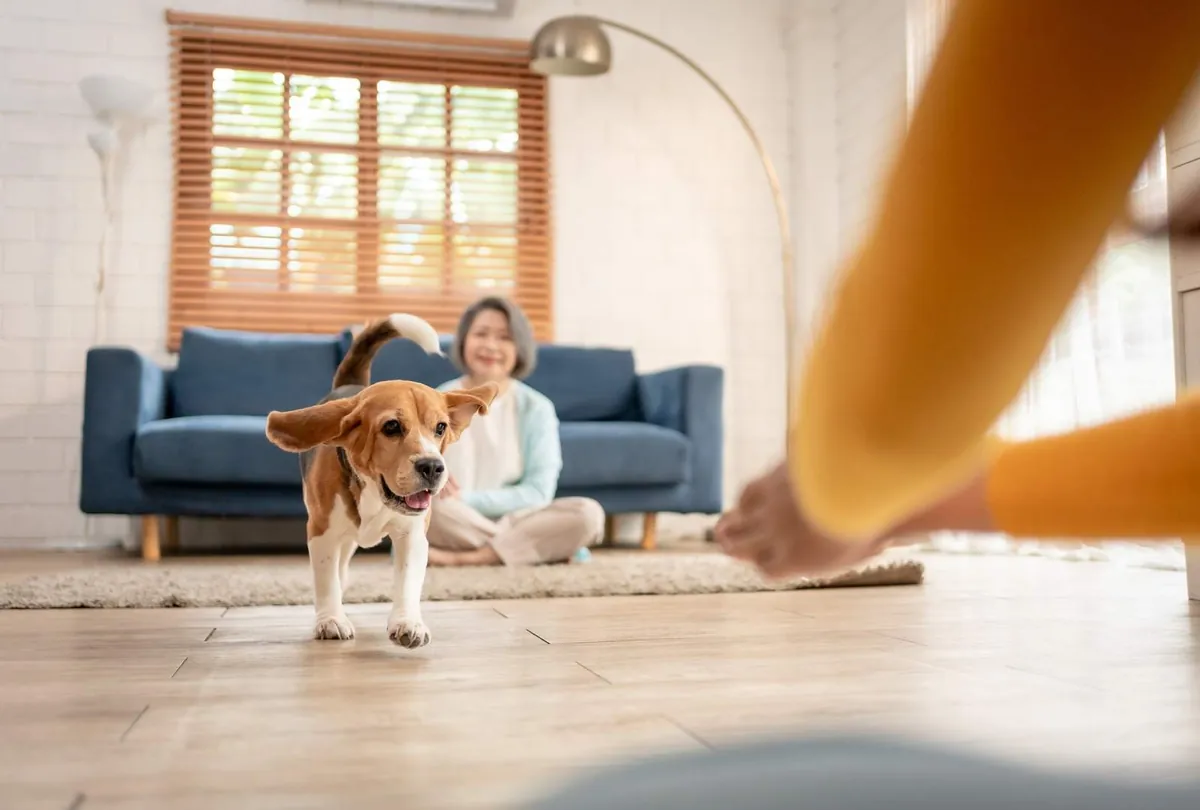
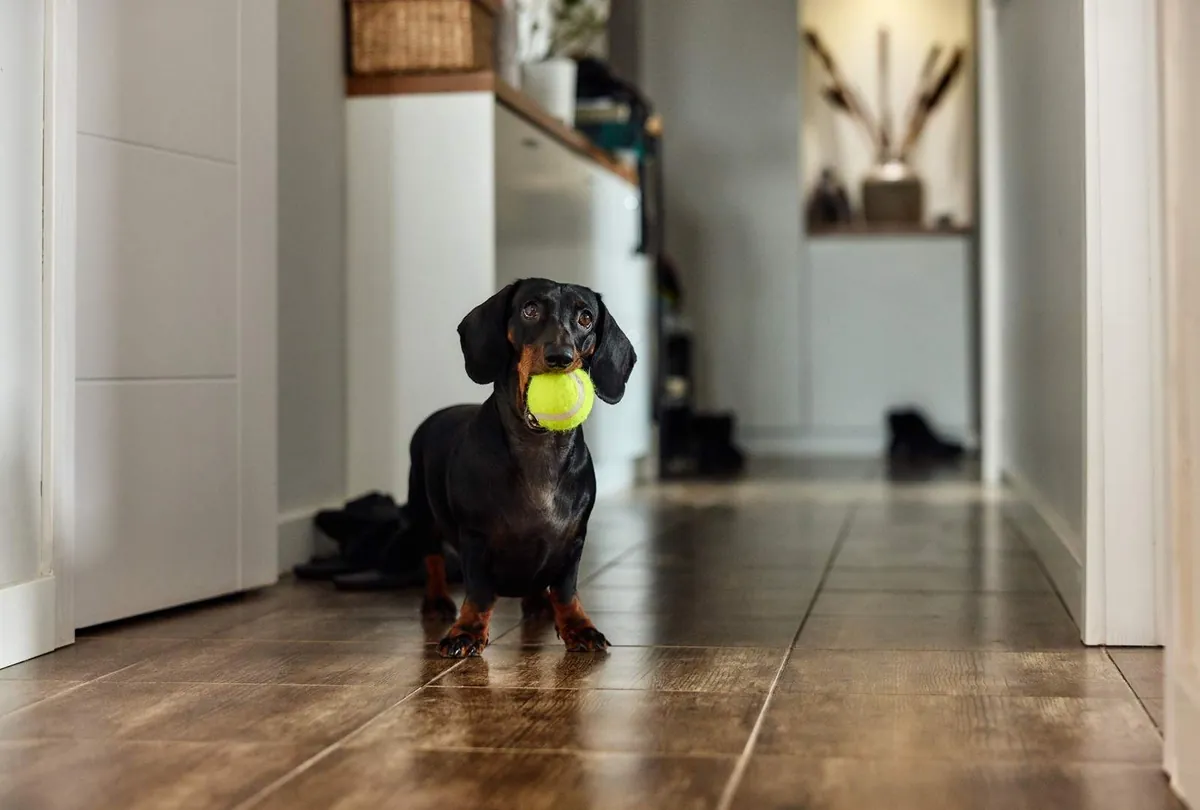
Fetch is one of the simplest ways to add movement to your dog’s day. If you have a safe hallway or open area, toss a soft toy a short distance and encourage your dog to retrieve it.
For smaller dogs, even a few minutes of back-and-forth movement can provide useful activity. Choose toys that are appropriate for your dog’s size and supervise play to make sure the toy remains intact.
Avoid throwing toys toward furniture, stairs, slippery floors, or other obstacles. The goal is controlled movement, not turning your living room into an obstacle course by accident.
2. Try Indoor Hide and Seek
Hide and seek can combine physical movement with mental stimulation.
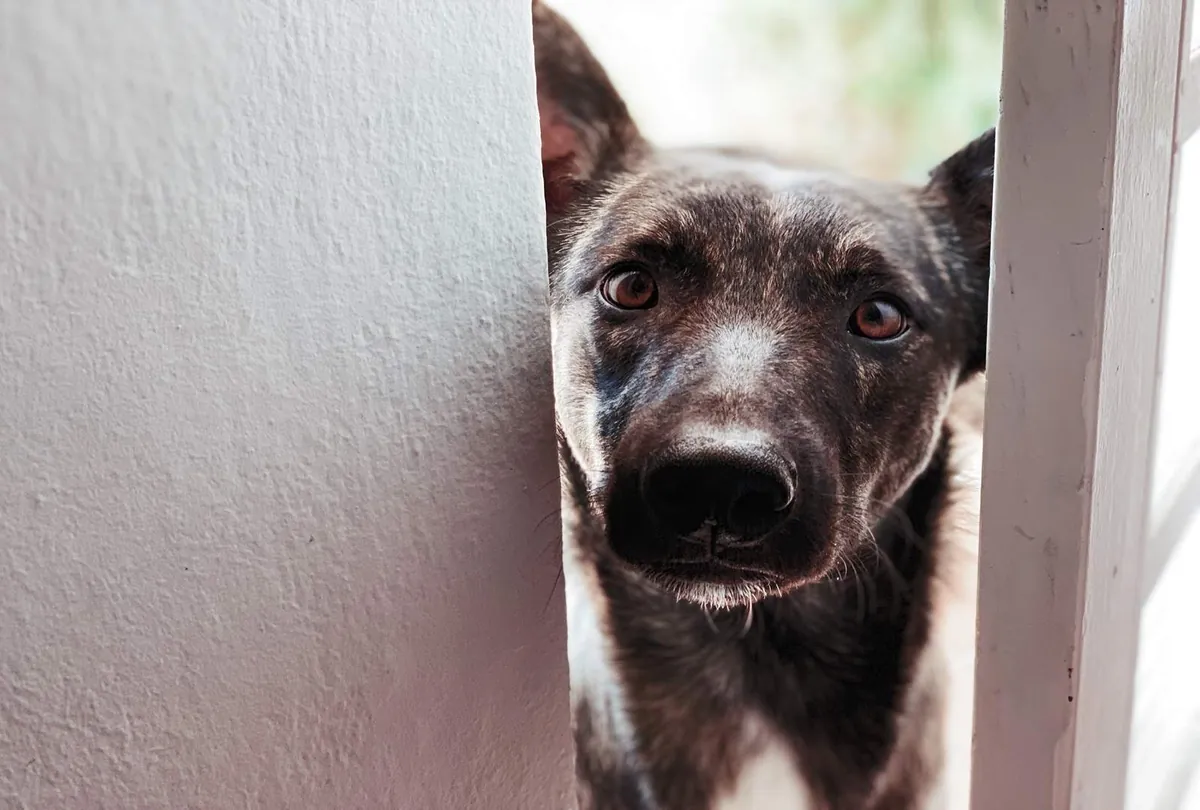
Ask your dog to stay in one area while you hide somewhere nearby. Once you are ready, call your dog and let them search for you. Start with easy hiding places before gradually making the game more challenging.
You can also hide a favorite toy instead of yourself. This encourages your dog to use their sense of smell and problem-solving abilities.
The American Kennel Club recommends hiding treats or toys and using hide-and-seek as an indoor activity that provides both stimulation and training opportunities.
Make It More Challenging
Once your dog understands the game, hide in another room or place a toy somewhere slightly more difficult to find. Keep the activity positive and avoid making the search frustrating.
3. Create a Simple Indoor Obstacle Course
You do not need professional agility equipment to create an indoor obstacle course.
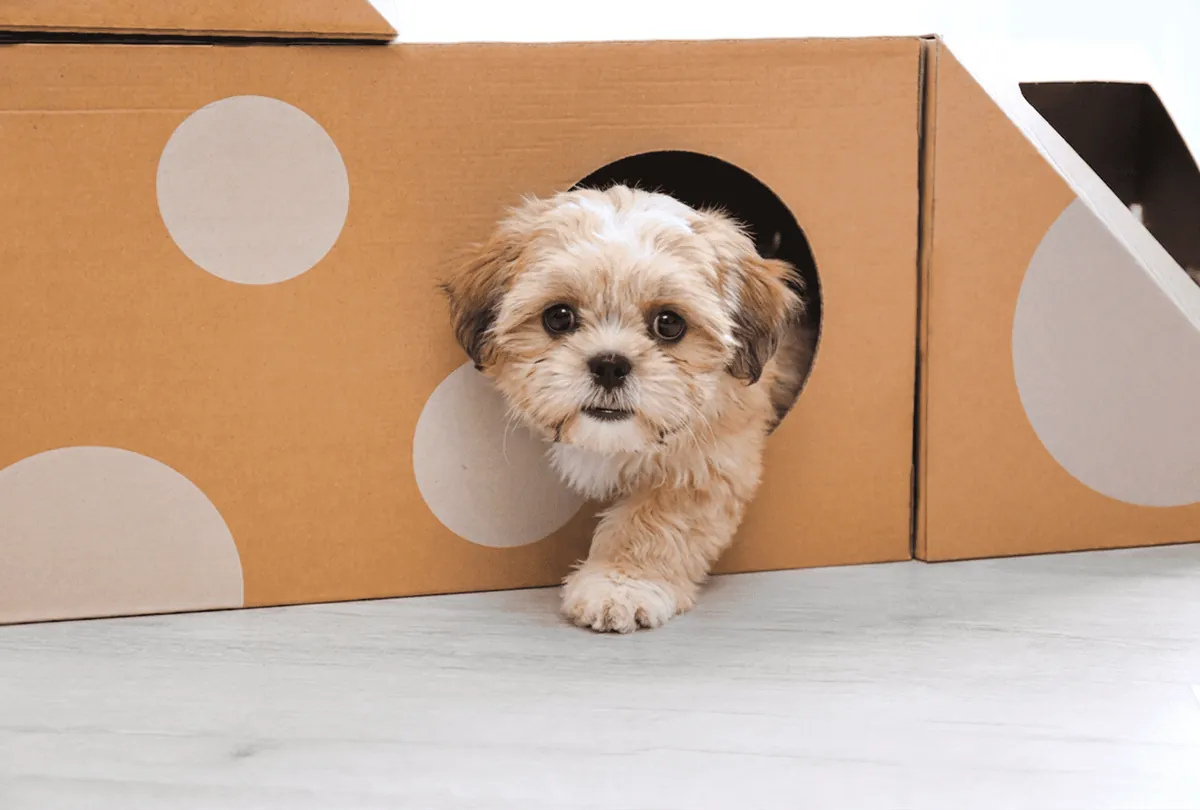
Use safe household objects to create simple activities such as walking around cushions, moving between objects, stepping over a low obstacle, or going through a large open box.
Keep obstacles low and stable. Avoid anything that could collapse, slide, or cause your dog to jump from a height.
Indoor obstacle courses can provide both physical and mental exercise. VCA Animal Hospitals specifically recommends indoor obstacle courses as one option for keeping dogs active when outdoor exercise is difficult.
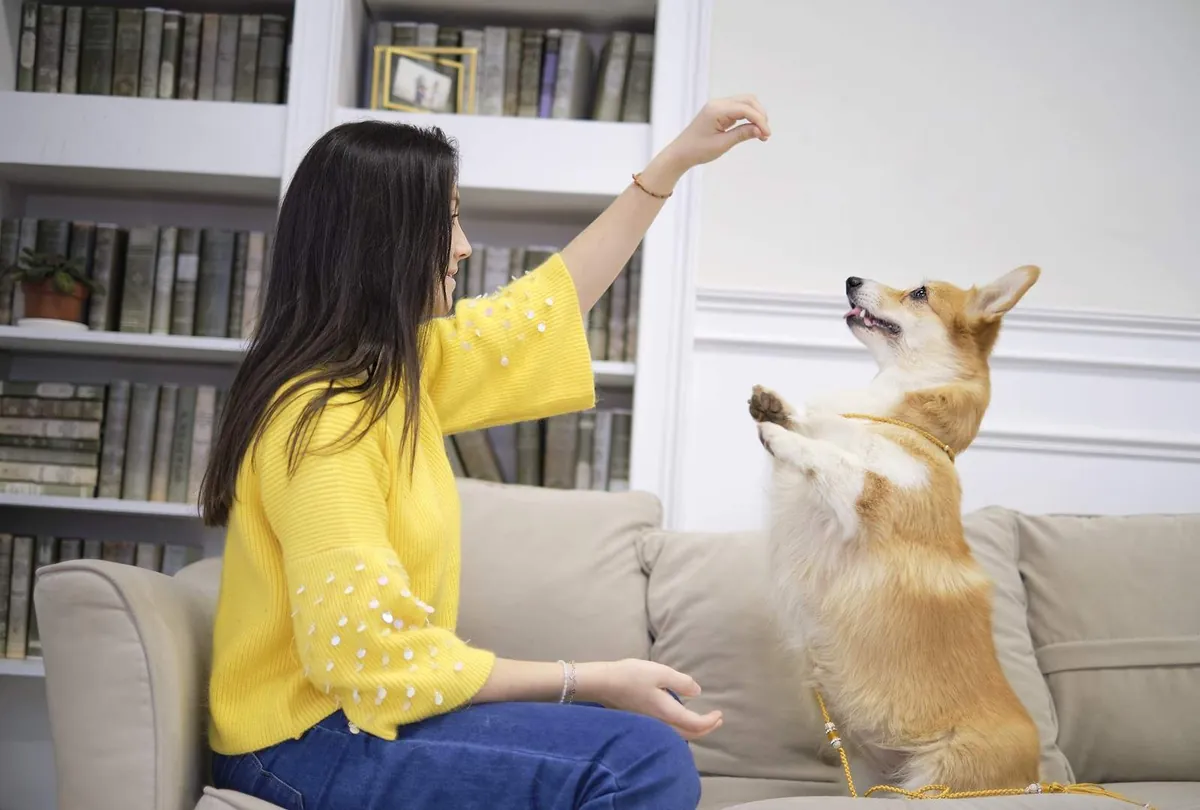
4. Practice Trick Training
Training is exercise for the brain, and it can also involve plenty of movement.
Use short sessions to practice familiar commands such as sit, down, stay, come, touch, or spin. You can also teach a completely new trick.
For example, teach your dog to touch your hand with their nose, walk around an object, or place their paws on a designated mat.
Keep Training Sessions Short
Several short sessions can be more effective than one long session. Stop while your dog is still interested, and use rewards your dog enjoys.
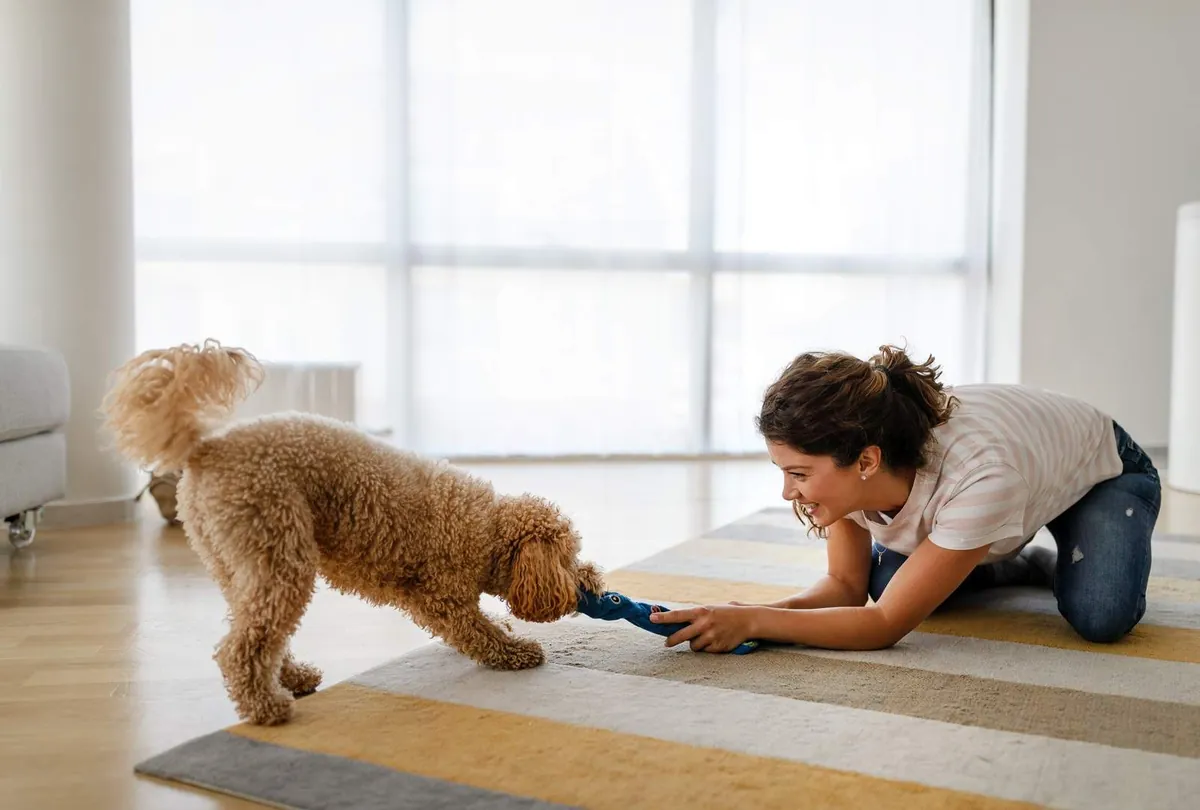
5. Play Tug-of-War
Tug-of-war can be an excellent indoor activity when played safely. It encourages movement and provides an opportunity for your dog to engage with you.
Use a suitable tug toy and keep movements controlled. Avoid forceful upward pulling or sudden jerking, particularly with puppies, older dogs, or dogs with physical limitations.
Teaching your dog a reliable “drop it” cue can also make tug a useful training opportunity.
6. Set Up a Treat Scavenger Hunt
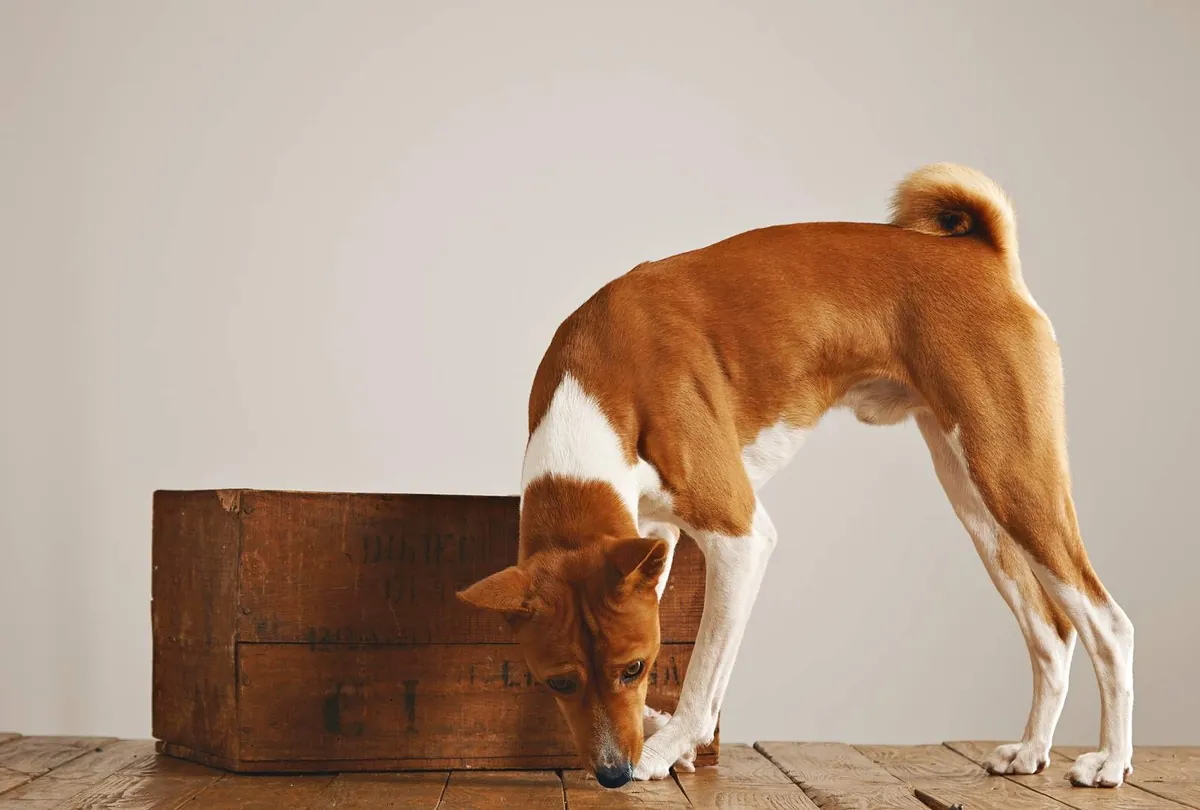
Turn snack time into an activity by hiding small portions of your dog’s regular food around a safe area of the home.
Start with easy hiding places and let your dog sniff them out. As your dog improves, you can make the locations more challenging.
This type of activity uses your dog’s natural desire to search and forage while encouraging movement around the house.
Use Their Regular Food
If you use treats throughout the day, remember to account for them as part of your dog’s overall food intake. Using some of their normal meal portion for enrichment can help avoid adding unnecessary calories.
7. Use Puzzle and Interactive Toys
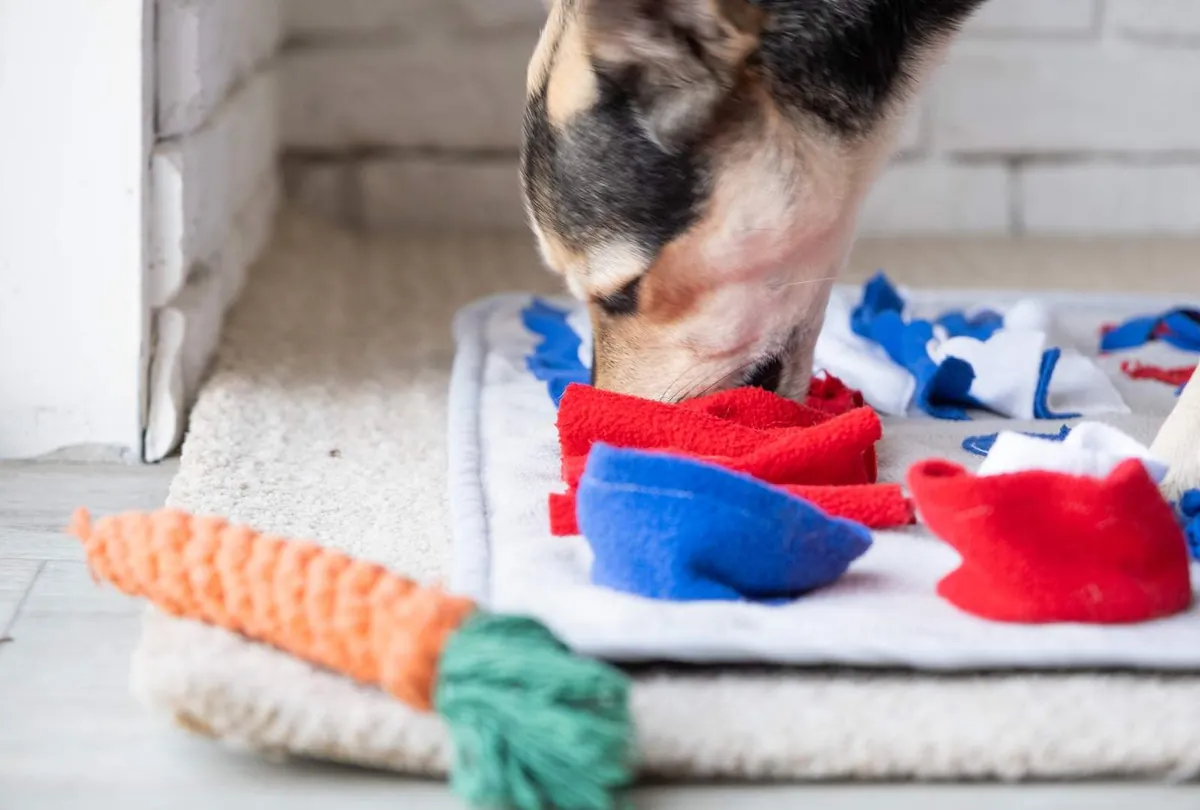
Puzzle toys give dogs a problem to solve. Depending on the design, your dog may need to move pieces, sniff out food, or work out how to access a reward.
Start with an appropriate difficulty level. A puzzle that is too difficult may frustrate your dog rather than provide enrichment.
Always supervise your dog when introducing a new toy, particularly if they are strong chewers or tend to destroy toys.
Interactive feeding can also turn an ordinary meal into a more engaging activity.
8. Encourage Controlled Movement Exercises
Simple conditioning exercises can help your dog work on balance, body awareness, and coordination.
Depending on your dog’s physical abilities, exercises might include controlled sit-to-stand repetitions, walking slowly around an object, or stepping onto a stable low surface.
The American Kennel Club notes that canine conditioning exercises can help maintain muscle, improve body awareness and balance, and provide physical and mental stimulation.
Do not introduce physically demanding exercises without considering your dog’s age, breed, fitness level, and health.
9. Try a Doggie Dance Session
Put on some music and turn basic training into a movement game.
Ask your dog to follow you around a safe area, change direction, sit, stand, touch your hand, or perform simple tricks. Reward them as they successfully follow your cues.
This can be particularly useful when space is limited because the focus is on short bursts of controlled movement rather than running long distances.
Keep the floor clear and avoid slippery surfaces. Puppies, senior dogs, and dogs with joint problems may need gentler activities.
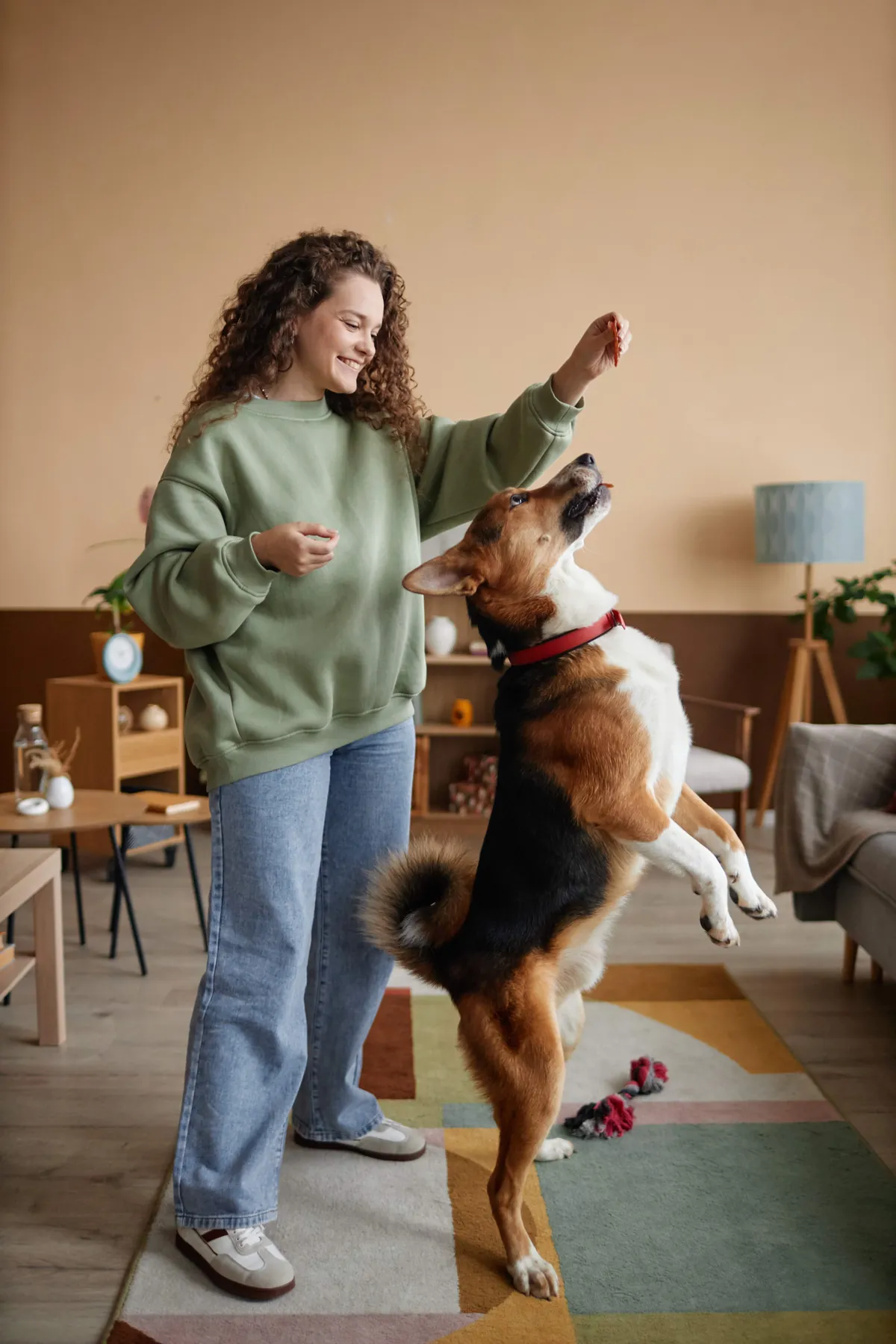
How Much Indoor Exercise Does a Dog Need?
There is no single indoor exercise routine that works for every dog.
A young, energetic dog may need considerably more activity than a senior dog. Breed, age, body condition, health, temperament, and previous activity levels all influence how much exercise is appropriate.
Rather than focusing only on the amount of time spent exercising, pay attention to how your dog responds. Signs of fatigue can include slowing down, repeatedly sitting or lying down, changes in posture, or becoming less responsive.
If your dog has a health condition, is recovering from an injury, is very young, or is older, speak with your veterinarian before introducing a new or more demanding exercise routine.
How to Make Indoor Exercise For Dogs Safer
Before starting an indoor activity, check the environment.
- Clear slippery or cluttered areas.
- Keep stairs and dangerous spaces inaccessible.
- Use toys that are appropriate for your dog’s size.
- Avoid high jumps and sudden changes of direction.
- Supervise new toys and activities.
- Provide breaks when your dog becomes tired.
- Adjust activities for your dog’s age and physical abilities.
Indoor exercise for dogs should be enjoyable rather than exhausting. The objective is to give your dog opportunities to move, explore, think, and interact with you.
Keep Your Dog Active and Happy with Dog House Dubai
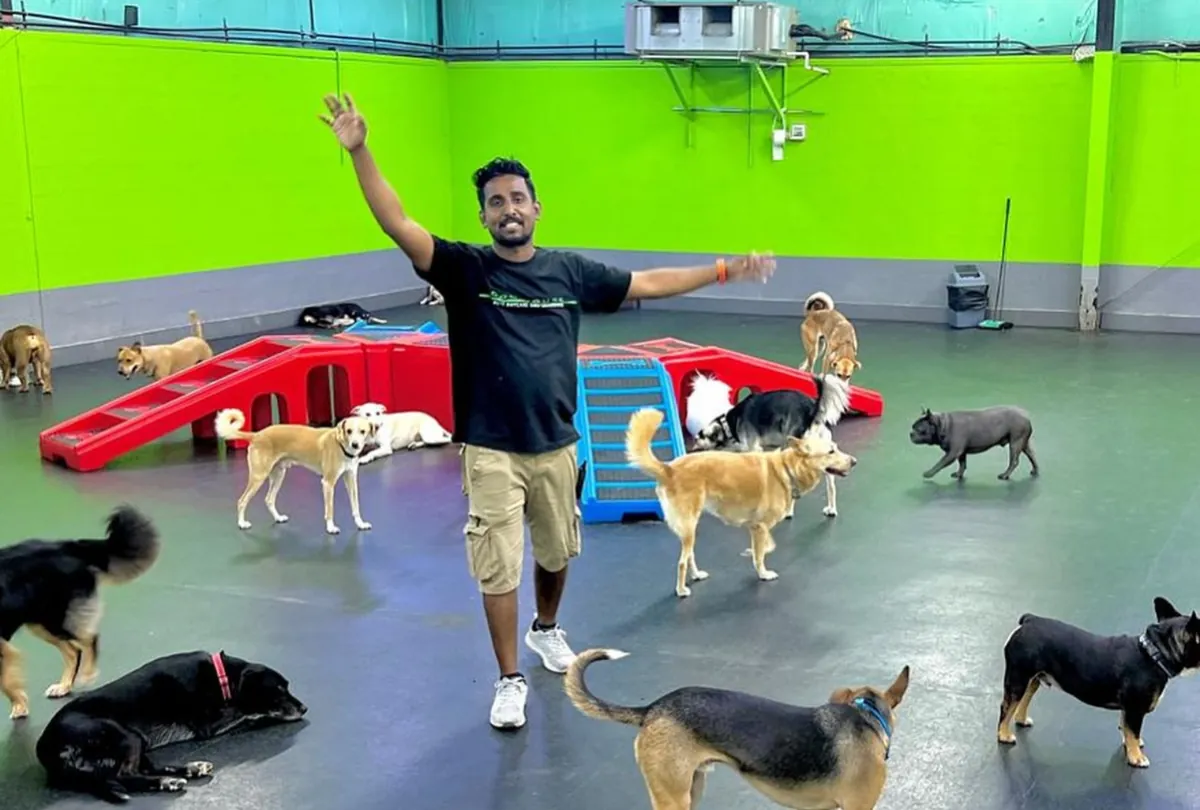
Keeping dogs active is an important part of their overall wellbeing, but busy schedules can sometimes make it difficult to provide enough activity and attention every day. Dog House Dubai provides a safe and engaging environment where dogs can stay active, socialise, and receive attentive care.
From Day Care and Boarding to Dog Walking and Pet Sitting, Dog House Dubai offers practical care options for different routines and needs. Additional services include Grooming, Ear Cleaning and Teeth Brushing, and Shower & Blow Dry sessions, with an optional hypoallergenic shampoo upgrade for dogs with sensitive skin.
Whether your dog enjoys an active day out or simply needs professional care while you are busy, you can learn more about Dog House Dubai and explore the available services.
Also, read
Conclusion
Indoor exercise for dogs can be a simple and effective way to keep your pet active, engaged, and mentally stimulated when outdoor activities are not practical. From fetch and hide-and-seek to trick training, obstacle exercises, and interactive games, there are plenty of ways to turn time at home into an opportunity for movement and enrichment.
The key is to choose activities that suit your dog’s age, size, fitness level, and physical abilities. Keep sessions safe, varied, and enjoyable, and give your dog plenty of opportunities to rest between activities. With a little creativity, even a rainy day or busy schedule does not have to mean a boring day for your dog.