

Table of Contents
Dog temperament is one of the most important factors that shapes how a dog behaves, reacts, and interacts with the world. It goes beyond simple training or obedience. Temperament reflects a dog’s natural disposition, including its emotional responses, energy levels, sociability, and adaptability.
Understanding temperament is essential whether you are choosing a dog, managing daily routines, or improving behavior. A dog’s temperament affects how it responds to people, other animals, new environments, and even grooming or boarding situations. When you understand it properly, everything from training to care becomes more effective and predictable.
What Is Dog Temperament?
Dog temperament refers to the inherent behavioral tendencies and emotional responses that a dog consistently shows over time. These tendencies are influenced by genetics, early development, environment, and life experiences.
Temperament includes traits such as confidence, fearfulness, friendliness, aggression, and adaptability. These traits are relatively stable but can still be shaped through consistent training and proper care.
For a deeper behavioral overview, veterinary guidance from the American Veterinary Medical Association explains how early development and environment play a key role in shaping long-term behavior.
In simple terms, temperament is your dog’s “default setting.” Training can guide behavior, but temperament determines how easily that training is accepted and how your dog reacts under pressure or unfamiliar situations.

Why Dog Temperament Matters
Daily Behavior and Interaction
A dog’s temperament directly affects how it behaves at home and in public. A calm, confident dog will handle new experiences better than a nervous or reactive one.
Training Success
Temperament influences how quickly a dog learns and responds to commands. For example, highly energetic dogs may struggle with focus, while more relaxed dogs may learn slower but retain behaviors better.
Compatibility with Lifestyle
Choosing or understanding a dog’s temperament ensures it matches your lifestyle. A high-energy dog in a low-activity household usually leads to frustration on both sides.
Temperament plays a major role in how dogs interact with children, strangers, and other pets. Understanding this helps prevent unwanted behavior and improves socialization outcomes.
Key Dog Temperament Traits Explained
Energy Level
Energy level is one of the most noticeable temperament traits. Some dogs are naturally active and require constant stimulation, while others are more relaxed.
- High-energy dogs: Often need long walks, playtime, and mental challenges
- Moderate-energy dogs: Adapt well to balanced routines
- Low-energy dogs: Prefer calm environments and shorter activity periods
Examples:
- High energy: Border Collie, Jack Russell Terrier
- Low energy: Bulldog, Basset Hound
If energy levels are not managed properly, it often leads to destructive behavior or restlessness.
Sociability
Sociability refers to how comfortable a dog is with people and other animals.
- Highly social dogs: Enjoy meeting new people and dogs
- Selective dogs: Prefer familiar faces
- Reserved dogs: May take time to warm up
Proper exposure and controlled interaction are key. The American Veterinary Medical Association highlights that early socialization significantly reduces fear-based behaviors later in life.
For additional guidance on puppy socialization stages, resources from ASPCA provide practical timelines and recommendations.
Confidence vs Fearfulness
Confidence determines how a dog reacts to new environments or stimuli.
- Confident dogs: Curious and adaptable
- Fearful dogs: Hesitant and may react defensively
Dogs with lower confidence benefit from gradual exposure and positive reinforcement. Structured environments can help them build trust over time.
Trainability
Trainability reflects how easily a dog can learn and respond to commands.
- Highly trainable dogs: Quick learners and responsive
- Independent dogs: Learn but may not always comply immediately
- Strong-willed dogs: Often intelligent but require consistent structure
Adaptability
Adaptability is how well a dog adjusts to changes such as new environments, routines, or people.
- Highly adaptable dogs: Adjust quickly and remain calm
- Low adaptability dogs: Prefer routine and may struggle with change
This becomes especially important when introducing dogs to boarding, daycare, or travel situations.
The Role of Breed in Dog Temperament
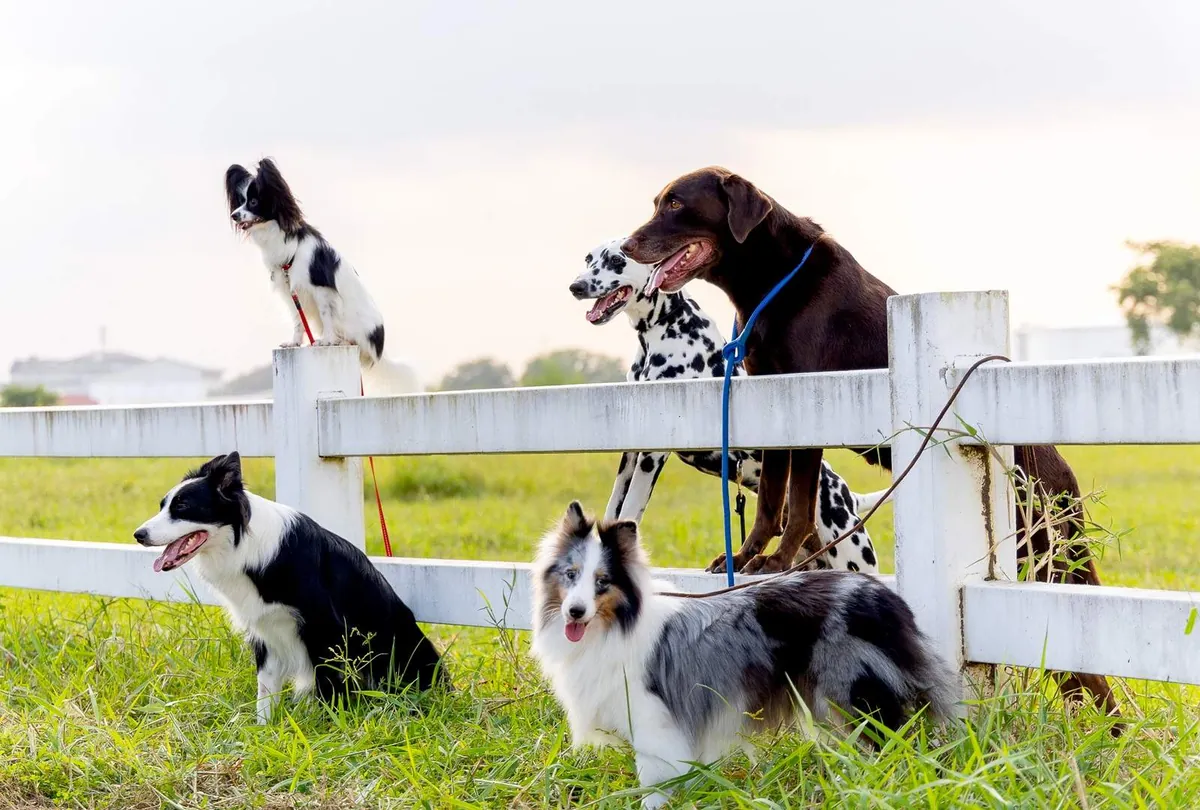
Temperament is strongly influenced by breed characteristics developed over generations.
For example:
- Herding breeds like Border Collies are naturally alert and energetic
- Guarding breeds like Rottweilers tend to be protective
- Companion breeds like Cavalier King Charles Spaniels are typically affectionate and social
Breed tendencies provide a general guideline, but individual personality still varies.
Nature vs Nurture in Dog Behavior
Dog temperament is shaped by both genetics and environment.
Genetics
Dogs are born with predisposed traits such as energy level, sensitivity, and behavioral tendencies.
Environment
Early experiences and daily routines determine how those traits develop.
- Puppies exposed to different environments early are more confident
- Dogs raised with limited exposure may develop anxiety or fear
How to Manage and Improve Dog Temperament
- Consistent Routine: Dogs respond well to predictable schedules. Regular feeding, walking, and rest times help stabilize behavior.
- Positive Reinforcement: Reward-based training encourages good behavior without fear, leading to long-term success.
- Mental Stimulation
Interactive toys and structured activities help reduce boredom and improve focus.
Gradual exposure to new environments, people, and animals builds confidence and reduces anxiety.
Professional Care Support
Structured care environments can reinforce routine, improve social behavior, and provide consistent interaction. Facilities like Dog House Dubai offer supervised daycare, boarding, and grooming services that support balanced behavior development in a safe setting.
Also, read
Common Misconceptions About Dog Temperament
“Temperament Cannot Change”
Temperament can improve significantly with proper training, environment, and consistency.
“A Stubborn Dog Is a Bad Dog”
What is often labeled as stubborn is usually independence or intelligence. These dogs need a more tailored training approach.
“Small Dogs Have Better Temperament”
Size has no direct link to temperament. Behavior depends on genetics, upbringing, and environment.
Conclusion
Understanding dog temperament allows you to work with your dog instead of against it. It improves training results, strengthens your bond, and creates a more stable daily routine.
The goal is not to change your dog’s natural personality but to guide it in the right direction. When you align care, training, and environment with your dog’s temperament, you set both of you up for long-term success.