
Table of Contents
Hair loss in dogs can be concerning for any pet owner. While shedding is a natural part of a dog’s life cycle, unusual or excessive hair loss may indicate an underlying health issue that requires attention. From allergies and parasites to hormonal imbalances and stress, several factors can contribute to changes in your dog’s coat and skin health.
Understanding the causes and symptoms of hair loss in dogs can help owners identify potential problems early and seek appropriate care. In this article, we explore the most common reasons dogs lose hair, the signs to watch for, and when professional advice may be necessary.
What Is Hair Loss in Dogs?
Hair loss in dogs, medically referred to as alopecia, is the partial or complete loss of fur in areas where it would normally grow. Alopecia can occur gradually or suddenly and may affect a small patch of skin or larger areas of the body.
Some breeds naturally shed more than others, but abnormal hair loss often presents alongside other symptoms, such as itching, redness, inflammation, or changes in skin appearance.
According to FirstVet, hair loss itself is not a disease but rather a symptom of an underlying condition that should be properly evaluated.
Common Causes of Hair Loss in Dogs
Several medical and environmental factors can contribute to hair loss in dogs.
Allergies
Allergies are one of the most common causes of skin irritation and hair loss in dogs. Dogs may develop allergies to:
- Environmental allergens such as pollen, dust mites, and mold
- Certain food ingredients
- Flea saliva
- Household cleaning products or chemicals
Dogs experiencing allergic reactions often scratch, lick, or chew affected areas excessively, which can result in hair loss over time.
Find out more Understanding Dog Food Allergies vs. Intolerances: How to Adapt Their Diet
Fleas, Ticks, and Parasites
External parasites are another common cause of hair loss. Even a small number of fleas can trigger significant irritation in sensitive dogs.
Common parasites associated with hair loss include:
- Fleas
- Ticks
- Mites causing mange
- Lice
Mange, in particular, can lead to patchy hair loss, crusting, redness, and severe skin irritation. Certain forms of mange are highly contagious among dogs.
Skin Infections
Bacterial and fungal infections can damage the skin and hair follicles, resulting in localized or widespread hair loss.
Examples include:
- Bacterial dermatitis
- Ringworm fungal infections
- Yeast infections
Dogs with skin infections may also exhibit:
- Redness
- Odor
- Scabbing
- Thickened skin
- Persistent scratching
The Merck Veterinary Manual provides extensive information on various canine skin disorders and their symptoms.
Hormonal Disorders
Hormonal imbalances can significantly affect a dog’s coat quality and hair growth cycle.
Common endocrine conditions associated with hair loss include:
Hypothyroidism
When the thyroid gland does not produce enough hormones, dogs may experience:
- Hair thinning
- Symmetrical hair loss
- Weight gain
- Lethargy
- Skin changes
Cushing’s Disease
Dogs with Cushing’s disease often develop:
- Thin skin
- Patchy hair loss
- Increased thirst
- Increased appetite
- Pot-bellied appearance
Hormonal causes of hair loss typically require blood testing and veterinary management.
Stress and Anxiety
Emotional stress can also contribute to hair loss in dogs. Some dogs excessively lick or chew certain areas of their body when experiencing anxiety, boredom, or environmental changes.
Potential stressors include:
- Moving homes
- Changes in routine
- Separation anxiety
- Introduction of new pets
- Lack of stimulation
While stress-related hair loss is less common than medical causes, behavioral factors should not be overlooked.
Nutritional Deficiencies
A healthy coat requires proper nutrition. Deficiencies in essential nutrients can negatively affect skin and fur quality.
Important nutrients for coat health include:
- Protein
- Omega-3 fatty acids
- Zinc
- Vitamins A and E
- Certain B vitamins
Poor diet quality or underlying digestive issues that impair nutrient absorption may contribute to hair thinning or dull coats.
Also, read
Symptoms That May Accompany Hair Loss
Hair loss rarely occurs as the only symptom. Owners should watch for additional signs that may help identify the underlying cause.
Excessive Scratching or Licking
Persistent scratching, biting, or licking often indicates skin irritation, allergies, or parasites.
Redness and Inflammation
Inflamed skin may suggest Allergic reactions, infections, parasitic infestations, and contact dermatitis.
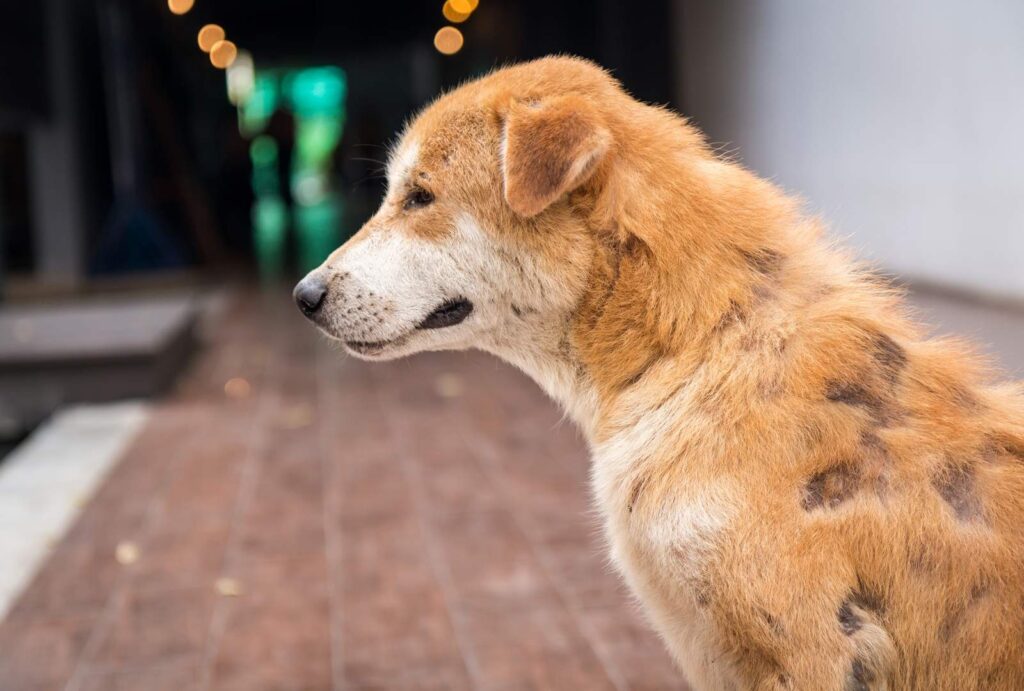
Bald Patches
Localized bald spots may occur with Ringworm, mange, pressure sores, trauma, and overgrooming.
Flaking or Dandruff
Dry, flaky skin can accompany several conditions, including nutritional deficiencies, allergies, and endocrine disorders.
Changes in Coat Texture
Dogs experiencing medical conditions may develop coats that become Dry, Brittle, Thin, Dull, and Patchy.
Skin Odor or Discharge
An unpleasant odor, discharge, or crusting may indicate a secondary bacterial or fungal infection requiring treatment.
Which Dogs Are More Prone to Hair Loss?
Some breeds have a higher predisposition to certain skin and coat disorders.
Breeds commonly affected include:
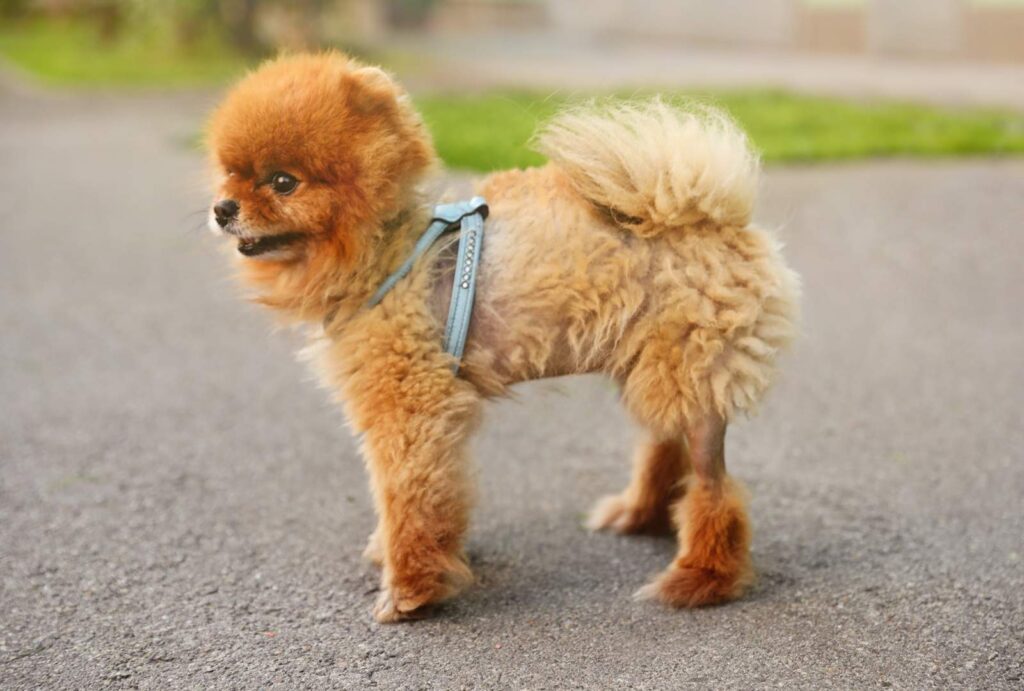
- Pomeranians
- Bulldogs
- Dachshunds
- Chihuahuas
- Golden Retrievers
- Labrador Retrievers
- German Shepherds
- Boxers
Age can also play a role, with senior dogs being more susceptible to hormonal disorders and chronic health conditions that affect coat quality.
Supporting Your Dog’s Skin and Coat Health
Although some causes of hair loss require medical treatment, maintaining overall skin and coat health can support your dog’s wellbeing.
Helpful practices include:
- Providing a balanced, high-quality diet
- Maintaining regular parasite prevention
- Scheduling routine veterinary checkups
- Monitoring for changes in skin or coat condition
- Minimizing environmental stressors
- Keeping grooming routines consistent
Regular grooming also allows owners to identify abnormalities early. Professional grooming sessions can help detect skin irritation, unusual shedding patterns, or coat changes before they progress. At Dog House Dubai, experienced groomers routinely observe changes in coat and skin condition during grooming appointments, helping pet owners stay aware of potential concerns.
Also, read
Conclusion
Hair loss in dogs can result from a wide range of causes, from allergies and parasites to hormonal disorders and nutritional deficiencies. While some cases may be relatively minor, others can indicate underlying health problems that require veterinary attention.
Paying close attention to changes in your dog’s coat, skin, and behavior can help ensure that potential issues are identified early. Combined with proper nutrition, regular grooming, preventative care, and veterinary guidance, proactive monitoring can play an important role in maintaining your dog’s overall health and comfort.