
Table of Contents
Understanding and Preventing Destructive Chewing in Dogs
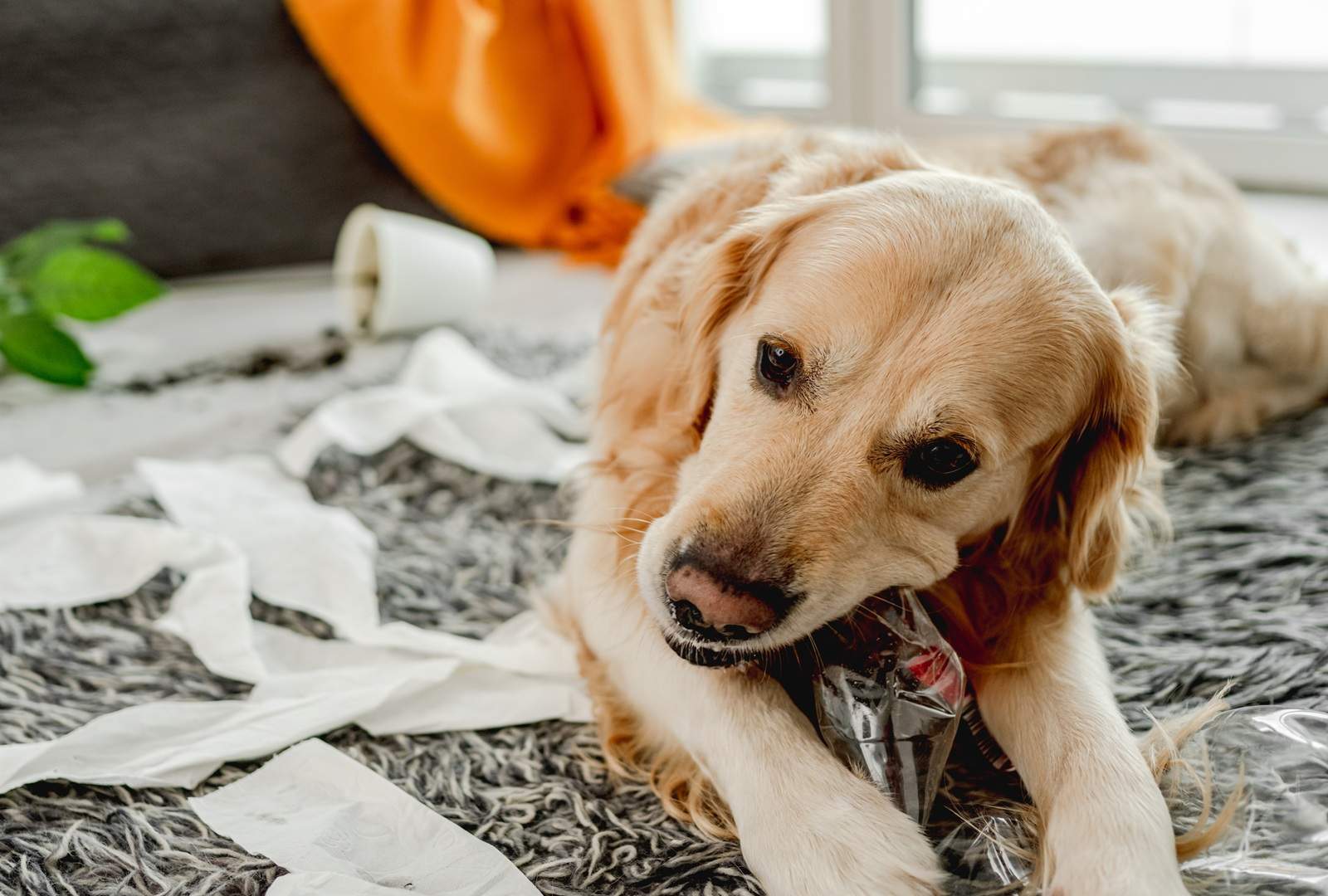
Chewing is a completely natural behavior for dogs. Puppies use their mouths to explore the world, while adult dogs chew for entertainment, stress relief, and dental health. However, when chewing becomes destructive and targets furniture, shoes, walls, or household items, it can quickly become frustrating for dog owners.
Understanding why dogs chew is the first step toward solving the problem. Destructive chewing is often a symptom of an underlying issue rather than simple disobedience. By identifying the cause and applying consistent training techniques, owners can help their dogs develop healthier habits and protect their belongings at the same time.
Why Do Dogs Chew?
Dogs chew for a variety of reasons, and not all chewing is problematic. Identifying the motivation behind the behavior can make it easier to choose the right solution.
Teething in Puppies
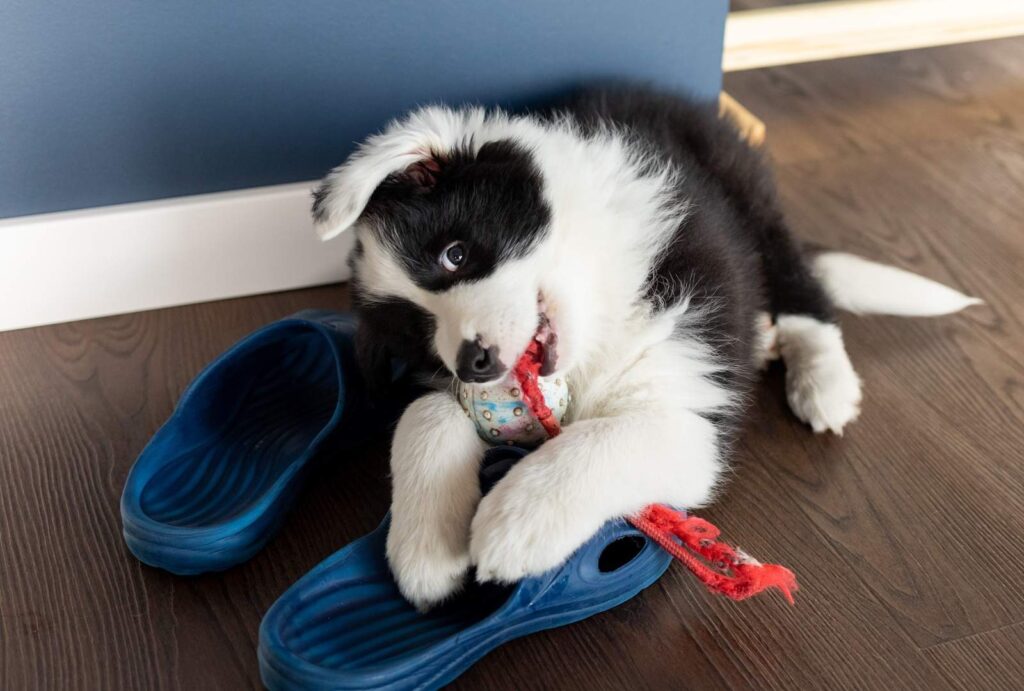
Puppies typically begin losing their baby teeth around three to six months of age. During this period, chewing helps relieve discomfort and supports the development of healthy adult teeth.
According to the American Kennel Club, teething puppies often seek out objects to chew because the pressure helps soothe sore gums.
Puppies may chew on:
- Furniture legs
- Shoes
- Toys
- Blankets
- Household objects within reach
Providing appropriate chew toys during this stage is essential.
Boredom and Lack of Mental Stimulation
Dogs that do not receive enough physical exercise or mental enrichment often create their own entertainment. Unfortunately, that entertainment may involve chewing on household items.
Highly intelligent and energetic breeds are particularly prone to boredom-related chewing. Without activities that challenge their minds, dogs may redirect their energy toward destructive behaviors.
Separation Anxiety
Some dogs chew when left alone because they experience stress or anxiety. Destructive chewing associated with separation anxiety often occurs near doors, windows, or areas connected to the owner’s departure.
The American Society for the Prevention of Cruelty to Animals (ASPCA) notes that separation anxiety can lead to destructive behaviors, excessive barking, and other signs of distress when dogs are left alone.
Find out more Separation Anxiety in Dogs: Signs, Causes, and How to Help
Attention-Seeking Behavior
Dogs quickly learn which behaviors get a reaction from their owners. If chewing a shoe results in immediate attention, even negative attention, the behavior may become reinforced.
In some cases, the dog is not trying to be naughty. It simply wants interaction.
Natural Instincts
Chewing is an instinctive canine behavior. Wild canines chew on bones and other objects as part of their natural routines. Domestic dogs retain these instincts and need safe outlets for them.
Common Household Items Dogs Love to Chew
Some objects are particularly attractive to dogs because they smell like their owners or have appealing textures.
Common targets include:
- Shoes
- Socks
- Furniture
- Electrical cords
- Remote controls
- Children’s toys
- Pillows
- Carpets
- Wooden furniture legs
Many of these items can be dangerous if ingested. Swallowing foreign objects can lead to choking, intestinal blockages, or emergency veterinary treatment.
How to Stop Destructive Chewing in Dogs
Successfully reducing destructive chewing in dogs usually requires a combination of management, training, and enrichment.
Puppy-Proof and Dog-Proof Your Home
Prevention is often easier than correction.
Keep tempting objects out of reach whenever possible:
- Store shoes in closets.
- Remove clutter from floors.
- Secure electrical cords.
- Use baby gates to restrict access to certain rooms.
- Keep trash bins covered.
Every opportunity to practice destructive chewing reinforces the behavior, so limiting access is important.
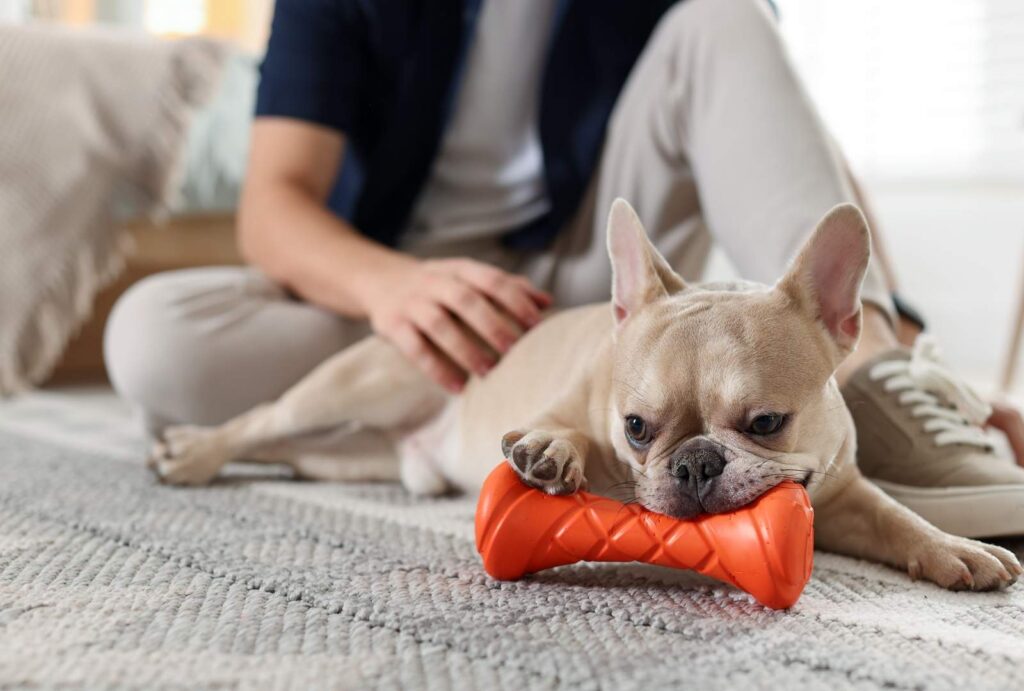
Provide Appropriate Chew Toys
Dogs need acceptable alternatives.
Look for durable chew toys that match your dog’s size and chewing style. Rotating toys regularly can also help maintain interest.
Examples include:
- Rubber chew toys
- Durable nylon chews
- Interactive puzzle toys
- Food-dispensing toys
Always supervise new chew products and select items appropriate for your dog’s size and strength.
Increase Physical Exercise
A tired dog is often a better-behaved dog.
Many chewing problems improve when dogs receive sufficient daily exercise. Activities may include:
- Walks
- Play sessions
- Fetch games
- Training exercises
- Interactive enrichment activities
Regular exercise helps burn excess energy and reduces boredom-related behaviors.
Add Mental Stimulation
Mental enrichment is just as important as physical exercise.
Try:
- Puzzle feeders
- Training sessions
- Scent games
- Hide-and-seek activities
- Food-stuffed toys
The more mentally engaged a dog is, the less likely it is to seek entertainment by chewing household items.
Training Techniques That Work
Redirect to Appropriate Items
When you catch your dog chewing something inappropriate, calmly remove the item and immediately offer an approved chew toy.
Once your dog begins chewing the correct object, provide praise and positive reinforcement.
Consistency is critical. Every family member should respond the same way.
Reward Good Choices
Dogs repeat behaviors that lead to positive outcomes.
Whenever your dog chooses a designated chew toy instead of household items:
- Offer praise
- Provide treats
- Engage in play
This helps build positive associations with appropriate chewing behavior.
Teach the “Leave It” Command
The “leave it” cue can be extremely valuable for preventing destructive chewing.
Basic steps include:
- Hold a treat in your closed hand.
- Allow your dog to investigate.
- Reward only when the dog stops trying to access the treat.
- Add the verbal cue “leave it.”
- Gradually increase difficulty with different objects.
This command can help redirect attention away from inappropriate items.
Avoid Punishment
Punishing a dog after discovering a chewed item is generally ineffective.
Dogs do not connect delayed punishment with actions performed earlier. Instead, punishment may create fear, confusion, or anxiety.
The focus should remain on prevention, management, and rewarding desired behaviors.
When Chewing May Signal a Bigger Problem
Occasional dog chewing is normal. However, some situations may require professional assistance.
Consider consulting a veterinarian or a qualified dog behavior professional if:
- Chewing suddenly increases
- Your dog appears anxious or distressed
- Household destruction becomes severe
- The dog attempts to eat non-food items
- Injuries occur from chewing on dangerous objects
Medical conditions, anxiety disorders, or behavioral issues may contribute to excessive chewing.
Supporting Healthy Habits Through Routine
Dogs thrive on consistency. Establishing a predictable routine can significantly reduce unwanted behaviors.
A balanced daily schedule should include:
- Exercise
- Training
- Rest periods
- Social interaction
- Mental enrichment
- Appropriate chew opportunities
For many dogs, spending time in supervised social environments, enjoying regular walks, and maintaining structured daily activities can help reduce boredom and excess energy that often contribute to destructive behaviors.
For owners in Dubai seeking ways to keep their dogs active and engaged throughout the day, structured activities such as day care, pet sitting, or dog walking can provide valuable mental and physical stimulation. Learn more about available options at Dog House Dubai.
Also, read
Conclusion
Destructive chewing in dogs can be frustrating, but it is usually a manageable behavior when the underlying cause is identified. Whether the issue stems from teething, boredom, anxiety, or natural instincts, a combination of exercise, enrichment, supervision, and positive reinforcement can make a significant difference.
The goal is not to stop chewing altogether. Instead, it is to teach dogs what they can chew while preventing damage to your home and keeping them safe. With patience, consistency, and the right training approach, most dogs can learn healthier chewing habits that benefit both pets and their owners.