Table of Contents
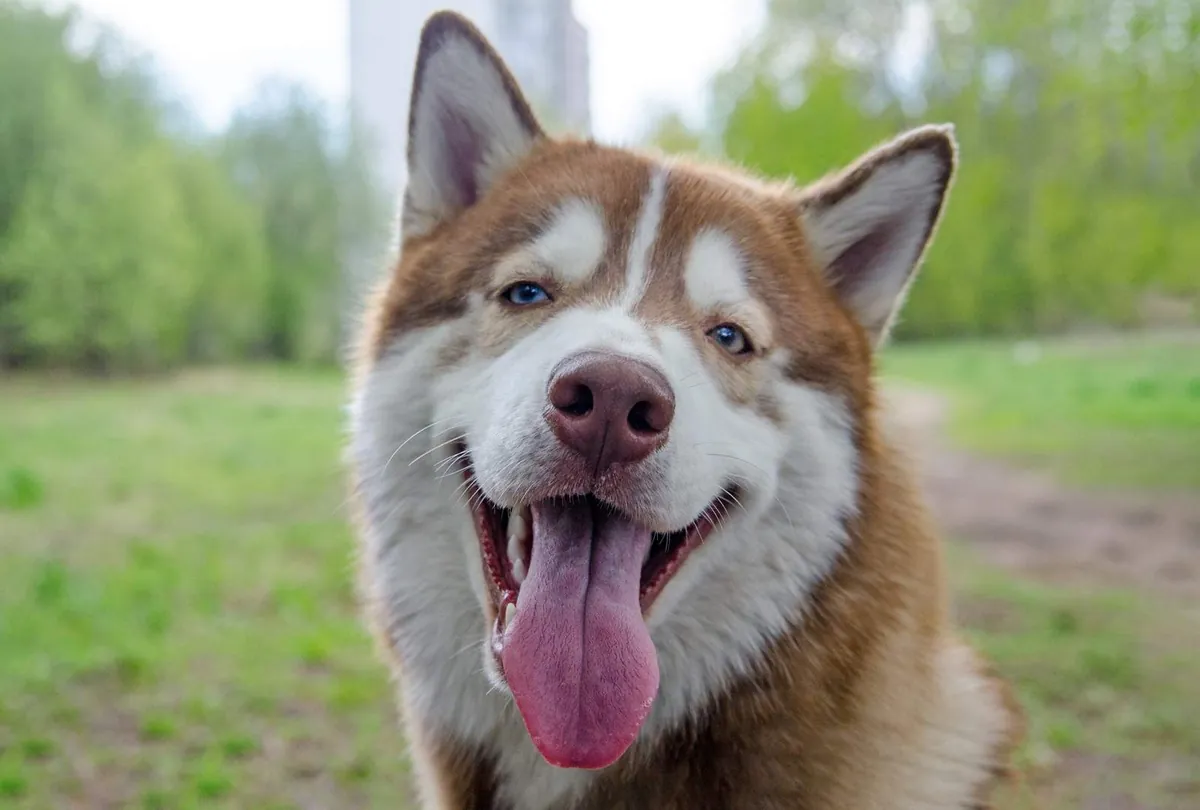
Panting is one of the most common behaviours dog owners notice, especially after exercise, during hot weather, or when their dog becomes excited. Unlike humans, dogs cannot cool themselves by sweating over most of their bodies. Instead, they rely on panting to regulate their body temperature.
While panting is usually completely normal, excessive or unexplained panting can sometimes indicate pain, illness, stress, or even a medical emergency. Knowing the difference can help you respond quickly and keep your dog healthy.
In this guide, we’ll explain why dogs pant, what normal panting looks like, what causes excessive panting, and when it’s time to seek veterinary care.
Why Do Dogs Pant?
Dog panting is a natural cooling mechanism. As dogs breathe rapidly with their mouths open, moisture evaporates from the tongue, mouth, and upper respiratory tract. This evaporation helps lower their body temperature.
According to the American Kennel Club (AKC), panting also helps circulate cooler air through the body and maintain a safe internal temperature.
Dogs may pant for several perfectly normal reasons, including:
- After physical exercise
- During warm or humid weather
- When feeling excited
- During playtime
- Following periods of stress or anxiety
In these situations, panting should gradually slow once your dog has had time to rest and cool down.
What Does Normal Dog Panting Look Like?
Healthy panting is generally easy to recognise.
It Occurs After Activity
Running, playing, or long walks naturally raise your dog’s body temperature. Panting afterwards helps them recover.
It Stops Within a Short Time
Most healthy dogs return to their normal breathing pattern within 10 to 30 minutes after resting in a cool environment.
Your Dog Still Acts Normally
Dogs experiencing normal panting usually continue to:
- Respond to commands
- Drink water normally
- Walk comfortably
- Remain alert
- Show interest in food or toys
Their breathing may be fast, but they should not appear distressed.
When Panting Becomes Excessive
Excessive panting is more than simply breathing quickly after exercise.
It may include:
- Panting that starts without an obvious reason
- Heavy breathing while resting
- Very loud or laboured panting
- Panting that continues for an extended period
- Difficulty settling down
- Increased breathing rate during the night
If your dog appears uncomfortable, restless, or unable to stop panting, it deserves closer attention.
Common Causes of Excessive Dog Panting
Heat and Overheating
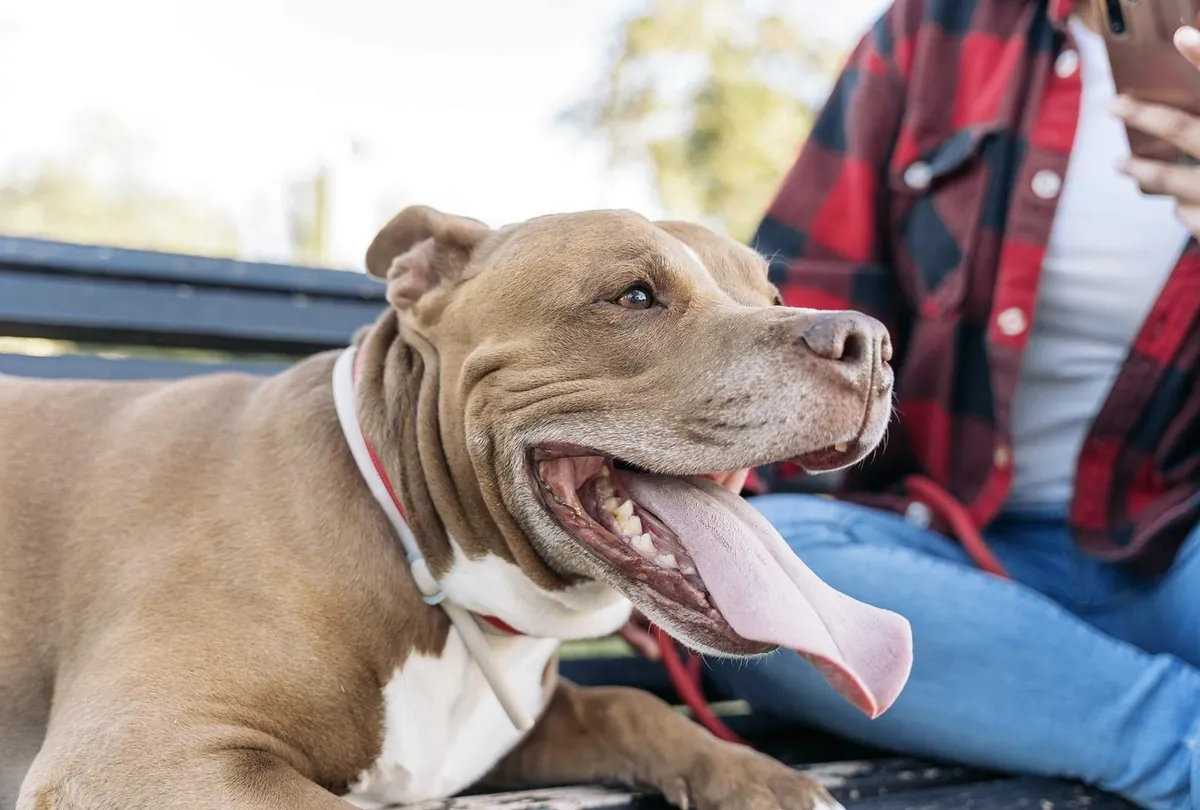
High temperatures are one of the most common reasons for heavy panting.
Dogs are particularly vulnerable during:
- Hot summer afternoons
- High humidity
- Poor ventilation
- Long walks on warm pavement
- Time spent inside parked vehicles
Overheating can rapidly progress to heatstroke, which is a life-threatening emergency.
The Humane Rescue Alliance provides guidance on recognising and preventing heat-related illnesses in pets.
Stress and Anxiety
Dog panting is not always related to temperature.
Many dogs pant when experiencing emotional stress, including:
- Thunderstorms
- Fireworks
- Separation anxiety
- Veterinary visits
- Travelling
- New environments
Stress panting is often accompanied by pacing, trembling, whining, lip licking, or hiding.
Pain
Dogs often hide discomfort surprisingly well.
One subtle sign of pain is persistent panting, especially if your dog is:
- Recovering from surgery
- Limping
- Reluctant to move
- Whining
- Restless
If your normally calm dog suddenly begins panting without explanation, pain should be considered.
Obesity
Overweight dogs must work harder to cool themselves and often pant more during even mild activity.
Maintaining a healthy weight can reduce unnecessary strain on your dog’s heart, lungs, and joints while improving overall comfort.
Respiratory Problems
Breathing disorders can also cause excessive panting.
Examples include:
- Laryngeal paralysis
- Tracheal collapse
- Pneumonia
- Asthma-like airway disease
- Chronic bronchitis
These conditions often produce noisy breathing, coughing, or exercise intolerance alongside heavy panting.
Heart Disease
Dogs with heart problems may pant more because their bodies are not receiving enough oxygen efficiently.
Additional warning signs may include:
- Persistent coughing
- Exercise intolerance
- Weakness
- Fainting
- Blue or pale gums
Heart disease becomes more common as dogs age, making routine veterinary examinations increasingly important.
Medication Side Effects
Some medications naturally increase panting.
Examples include:
- Corticosteroids
- Certain pain medications
- Some anti-anxiety drugs
If heavy panting begins shortly after starting a new medication, contact your veterinarian for advice before making any changes.
Signs of Heatstroke
Heatstroke is one of the most dangerous causes of excessive dog panting.
Seek emergency veterinary care immediately if your dog shows:
- Extremely heavy panting
- Bright red gums
- Thick saliva
- Vomiting
- Diarrhoea
- Weakness
- Collapse
- Confusion
- Loss of consciousness
While transporting your dog to the veterinary clinic, move them into a cool environment and apply cool, not ice-cold, water to the body.
Prompt treatment greatly improves the chances of recovery.
Also, read
How to Tell if Your Dog Needs a Vet
Contact your veterinarian if your dog’s panting:
- Occurs without exercise
- Continues for more than 30 minutes after resting
- Becomes louder than normal
- Appears laboured
- Happens repeatedly without explanation
- Is accompanied by coughing
- Is associated with vomiting or diarrhoea
- Comes with weakness or collapse
- Occurs alongside pale or blue gums
Trust your instincts. If your dog’s breathing seems unusual compared to their normal behaviour, it is always worth seeking professional advice.
Helping Your Dog Stay Comfortable
Many cases of normal panting can be managed with simple preventative care.
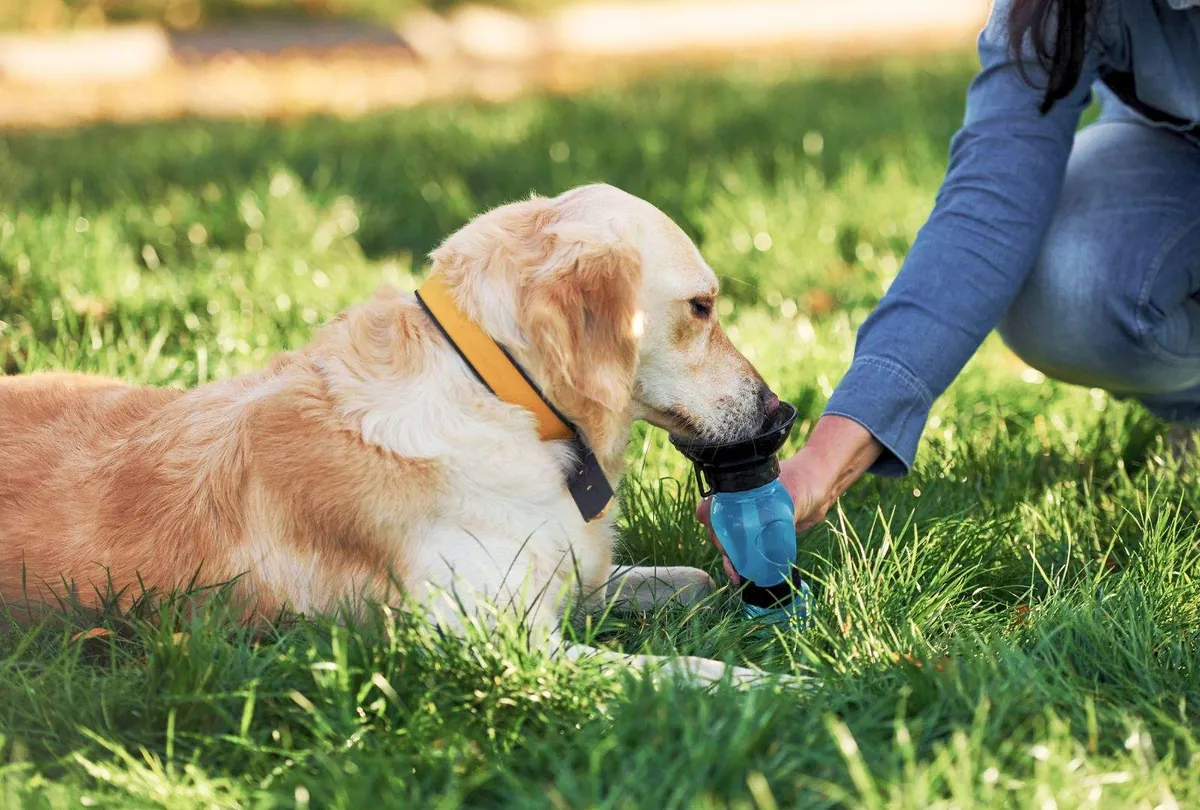
Keep Fresh Water Available
Hydration helps dogs regulate their body temperature efficiently.
Replace water regularly, especially during warmer months.
Avoid Peak Heat
Walk your dog early in the morning or later in the evening when temperatures are lower.
Provide Shade
If your dog spends time outdoors, always ensure they have access to shaded areas and adequate ventilation.
Never Leave Dogs in Parked Cars
Even with windows slightly open, temperatures inside vehicles can become dangerously high within minutes.
Maintain a Healthy Weight
Regular exercise and balanced nutrition reduce the workload on your dog’s cardiovascular and respiratory systems.
Does Breed Affect Panting?
Yes. Some breeds naturally pant more than others.
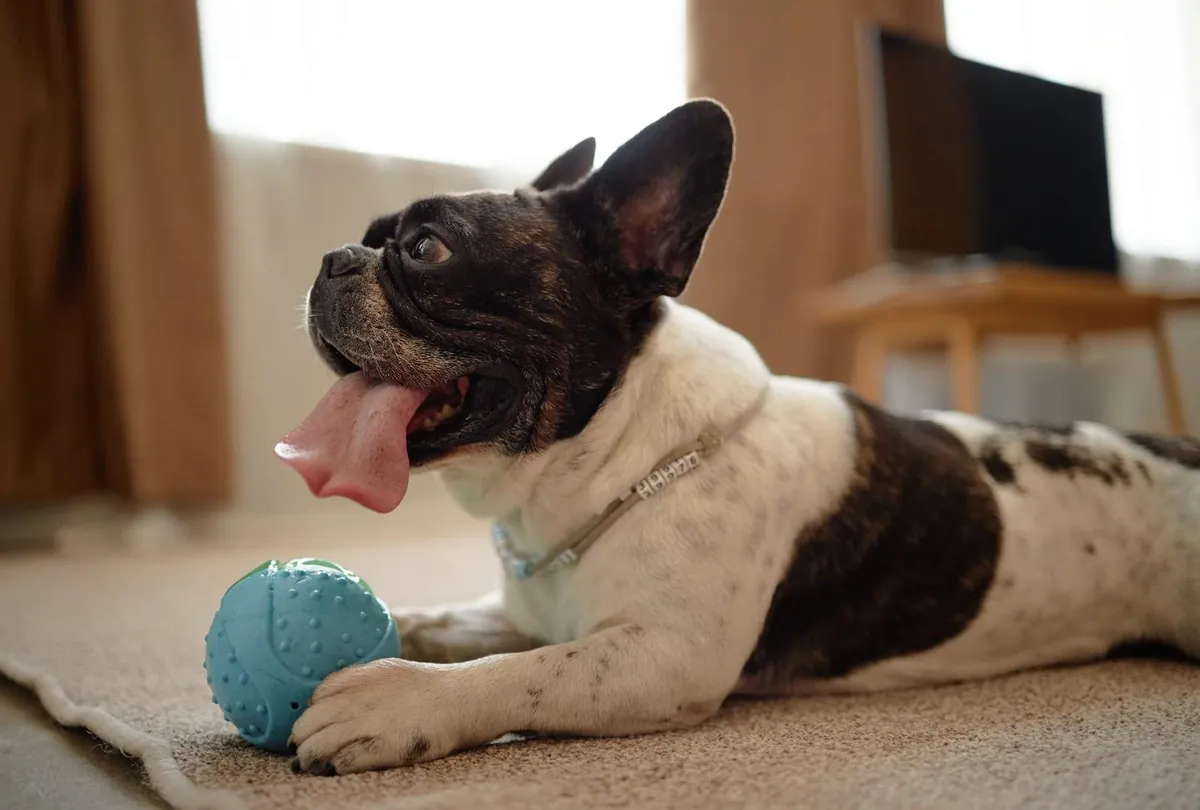
Flat-faced breeds, also known as brachycephalic breeds, often experience greater difficulty regulating body temperature because of their shortened airways.
Examples include:
- Pugs
- Bulldogs
- French Bulldogs
- Boston Terriers
- Shih Tzus
These dogs require extra care during warm weather and should avoid strenuous exercise in high temperatures.
Supporting Your Dog’s Daily Wellbeing
Keeping your dog healthy goes beyond recognising signs of illness. Regular exercise, mental stimulation, proper grooming, and consistent routines all contribute to their overall comfort.
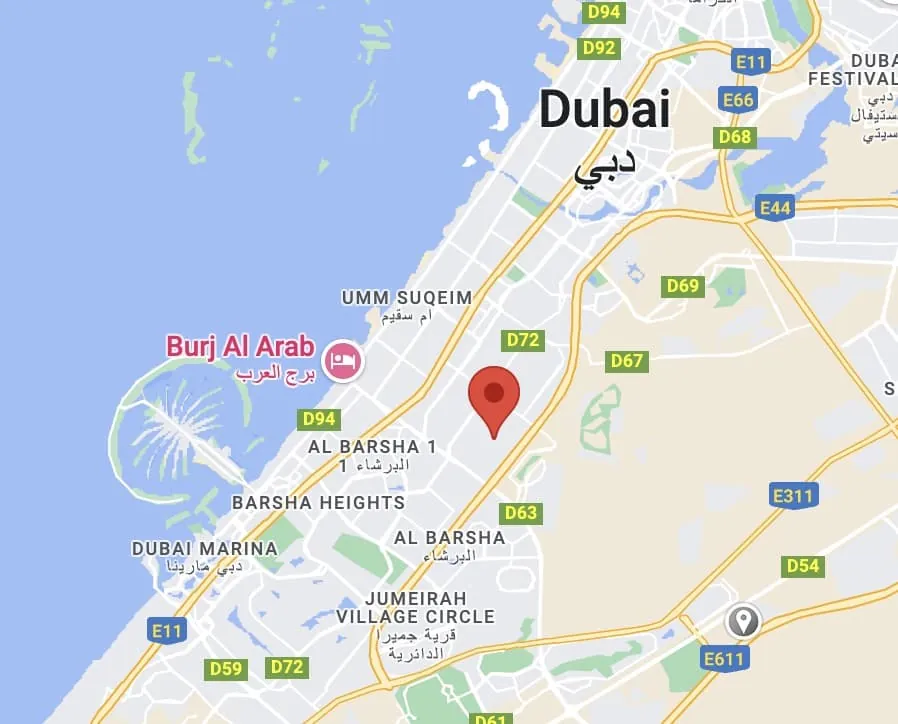
For example, a well-maintained coat can help support temperature regulation, while regular exercise through walking or supervised play helps maintain a healthy weight. Whether your dog enjoys social play, needs attentive daytime care, or simply benefits from a consistent routine, services such as professional day care, boarding, grooming, and dog walking can all play a role in supporting their wellbeing. Learn more about the care options available at Dog House Dubai.
Also, read
Conclusion
Panting is a normal and essential part of how dogs regulate their body temperature. In most cases, it is nothing to worry about, especially after exercise, excitement, or time spent in warm weather.
However, excessive panting that appears suddenly, continues for an extended period, or occurs alongside other symptoms should never be ignored. Conditions such as pain, heart disease, respiratory illness, anxiety, and heatstroke can all cause abnormal panting.
Understanding your dog’s normal breathing habits makes it much easier to recognise when something isn’t right. When in doubt, consult your veterinarian. Early diagnosis often leads to better outcomes and helps keep your dog happy, healthy, and comfortable for years to come.