
Table of Contents
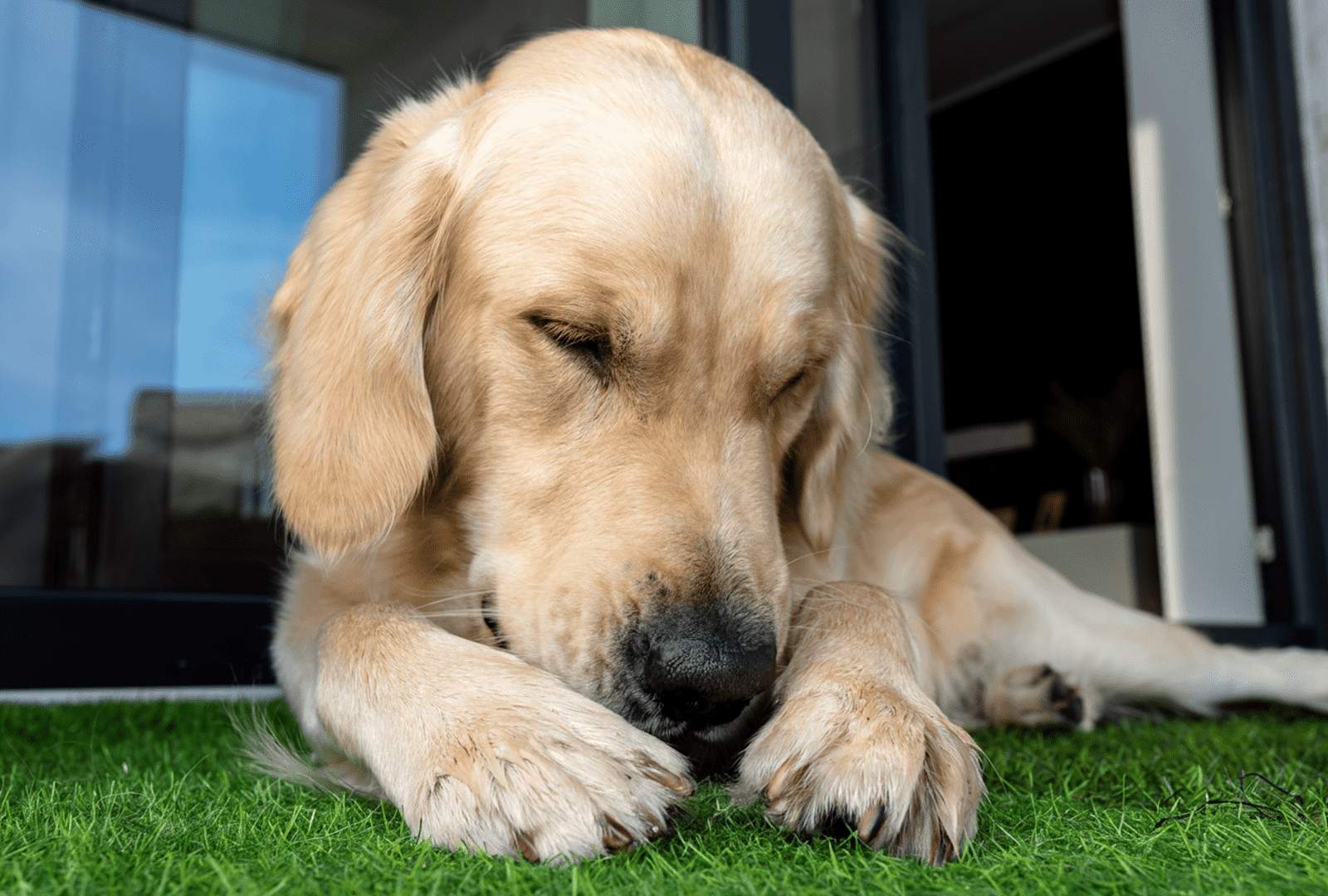
Why Do Dogs Chew Their Paws?
If you’ve ever caught your dog gnawing at their paws, you might have wondered: Why are they doing this? Dog chewing paws is a relatively common behavior, but understanding the reasons behind it can help you address the issue effectively. Whether it’s a sign of an underlying health problem or a behavioral issue, it’s important to know when and why it happens so you can find the right solution.
In this post, we’ll explore the potential causes of paw chewing in dogs and provide tips on how to stop this behavior.
Common Causes of Dog Chewing Paws
Understanding why your dog is chewing their paws is the first step in resolving the issue. Here are some of the most common reasons:
1. Allergies
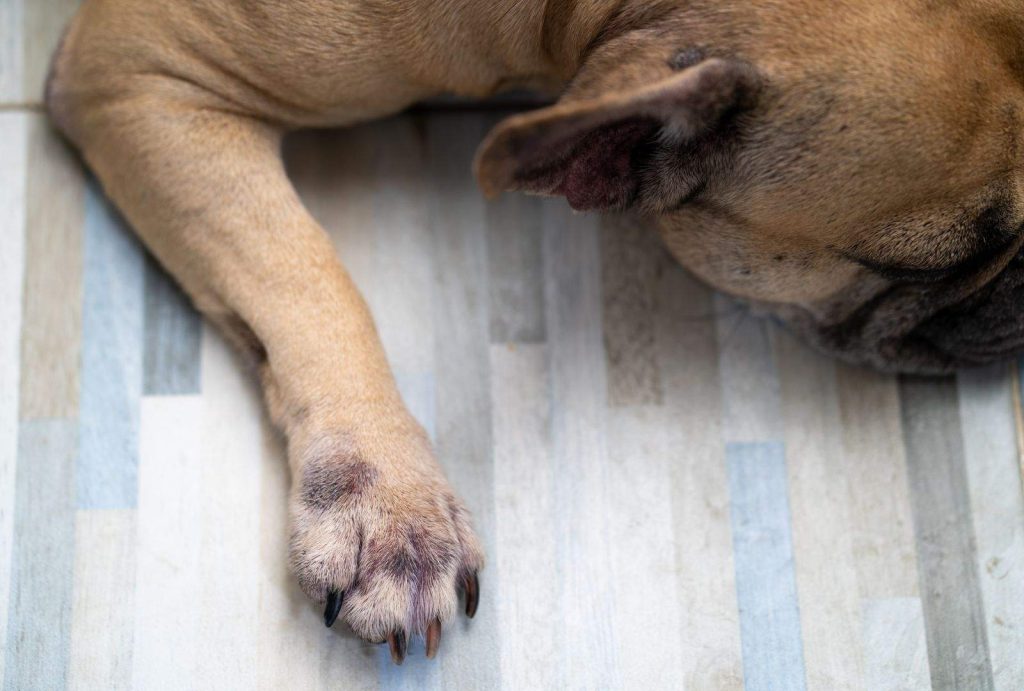
Allergies are a major cause of paw chewing in dogs. Dogs can develop sensitivities to food, environmental factors, or even grooming products, leading to itchy paws. If your dog is chewing their paws, especially if you notice redness, swelling, or irritation, allergies could be the cause.
- Food allergies can arise from specific ingredients in your dog’s diet.
- Environmental allergies such as pollen, dust mites, or mold can also trigger paw licking and biting.
- Contact allergies from certain cleaning agents or grooming products can irritate the paws.
If you suspect allergies are the culprit, consult with your veterinarian to identify the triggers and adjust your dog’s environment or diet.
Learn more about dog allergies at the American Kennel Club.
2. Fleas and Ticks
Fleas and ticks are common culprits of paw chewing. These pests can cause intense itching, particularly around the paws, leading your dog to chew to relieve discomfort. Fleas can hide in your dog’s fur and irritate their skin, making paw chewing more frequent.
Make sure to check your dog’s fur for signs of fleas, and consult your vet for a suitable flea prevention plan. Regular grooming and flea treatments can go a long way in preventing paw chewing caused by these parasites.
3. Dry or Cracked Paws
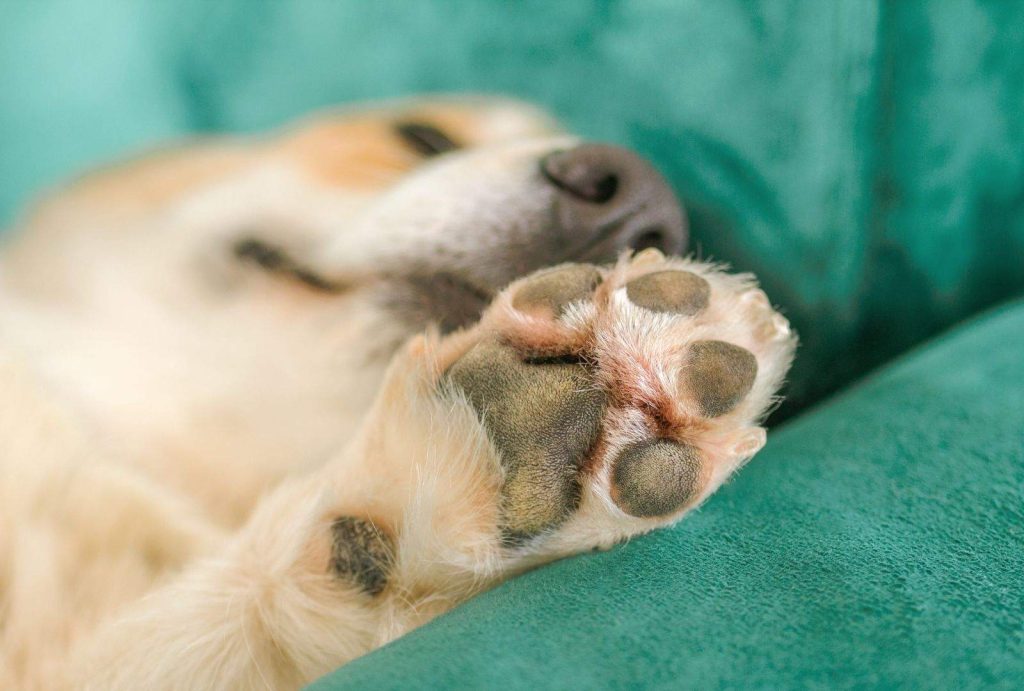
Dry, cracked paws can also lead to painful paw chewing. Just like humans, dogs can suffer from dry skin, especially in colder months or in arid environments. If your dog is constantly licking and chewing at their paws, it might be due to discomfort caused by cracked or irritated paw pads.
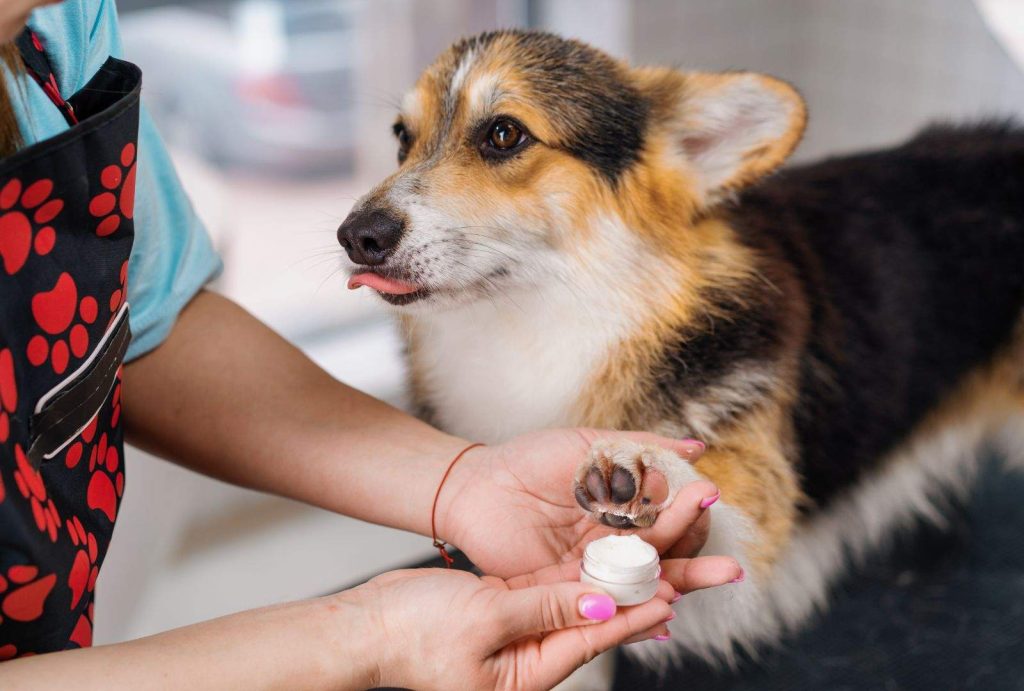
To prevent this, try applying a dog-safe moisturizer to keep their paws hydrated, especially during dry weather. If the problem persists, consult your veterinarian for further advice.
4. Boredom or Anxiety
Dogs are intelligent animals that need mental stimulation and physical activity to stay happy. If your dog is left alone for long periods without enough playtime or attention, they may start to chew their paws out of boredom or anxiety.
Separation anxiety, in particular, can trigger destructive behaviors, including paw chewing. Providing your dog with enough physical exercise, interactive toys, and mental challenges can help reduce these behaviors.
5. Pain or Injury
If your dog has recently suffered an injury or is experiencing pain in their paws or legs, they may chew or lick the affected area to soothe themselves. This could be due to a minor injury like a cut or bruise, or it could be related to more serious issues like arthritis or joint problems.
If you notice any limping, swelling, or sensitivity when your dog touches their paws, it’s important to take them to the vet for a proper examination.
How to Stop Your Dog from Chewing Their Paws
Once you’ve identified the cause of your dog’s paw chewing, it’s time to take action. Here are some effective strategies for stopping this behavior:
1. Address the Underlying Issue
The most effective way to stop paw chewing is to address the root cause. If allergies are the problem, work with your veterinarian to develop an allergy management plan. For flea infestations, invest in a reliable flea prevention treatment. If your dog is suffering from an injury or infection, ensure they receive the appropriate medical care.
2. Provide Plenty of Stimulation
Boredom and anxiety can lead to paw chewing, so it’s important to provide your dog with enough mental stimulation and physical exercise. Long walks, interactive toys, puzzle feeders, and regular playtime can help prevent your dog from chewing their paws out of boredom. If you’re looking for a fun and engaging environment where your dog can socialize, burn off energy, and get the exercise they need, our Day Care services at Dog House Dubai are the perfect solution.
3. Keep Their Paws Clean and Moisturized
If dry or cracked paws are to blame, be proactive in keeping your dog’s paws clean and moisturized. Use a gentle dog-friendly paw balm or moisturizer to soothe their paws, and trim their nails regularly to prevent any painful tearing.
Additionally, consider wiping their paws clean after walks to remove any allergens or debris that might cause irritation.
4. Use Bitter Sprays
If your dog continues to chew their paws despite your efforts, you can try using a bitter-tasting spray designed for pets. These sprays deter dogs from chewing on their paws due to the unpleasant taste. While this can be a helpful short-term solution, it’s important to address the underlying cause of the behavior to prevent it from happening in the future.
When to Seek Professional Help
If your dog’s paw chewing persists despite your best efforts, it might be time to consult with a professional. A veterinarian or certified animal behaviorist can help diagnose any medical conditions or behavioral issues that might be contributing to the problem. They may also recommend specific treatment plans or therapies to help your dog stop chewing their paws.
At Dog House Dubai, we provide grooming services, including ear cleaning, teeth brushing, and specialized bathing options like hypoallergenic shampoo upgrades. These services can help manage irritations that might be causing your dog to bite their paws due to allergies or skin sensitivities. Learn more about our services.
Conclusion
Dog chewing paws is a behavior that can stem from a variety of causes, including allergies, injury, boredom, or anxiety. By identifying the underlying issue and taking proactive steps, you can help your dog stop biting their paws and ensure they stay happy and healthy. If you’re ever uncertain about the cause or solution, don’t hesitate to reach out to your veterinarian for guidance.
By addressing the issue early, you can help your dog lead a more comfortable life, free from the discomfort of paw chewing.