
Table of Contents
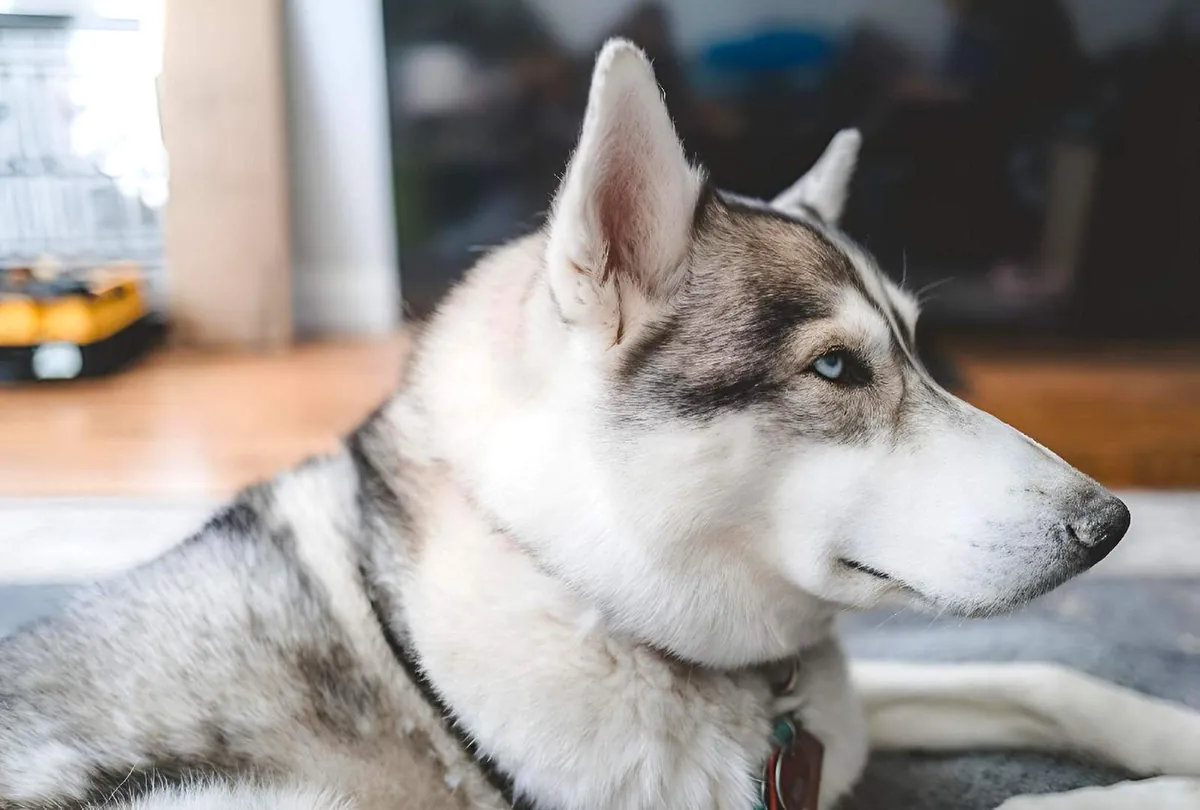
If your dog seems to ignore commands, resist training, or suddenly acts like they have selective hearing, it is easy to label them as stubborn. But here is the truth. Most dogs are not stubborn in the way humans think. What looks like defiance is usually confusion, fear, lack of motivation, or inconsistent training.
Understanding what is really going on is the first step to fixing the behavior. Once you see the root cause, you can respond in a way that actually works instead of repeating the same frustrating cycle.
What Does Stubborn Dog Behavior Really Mean
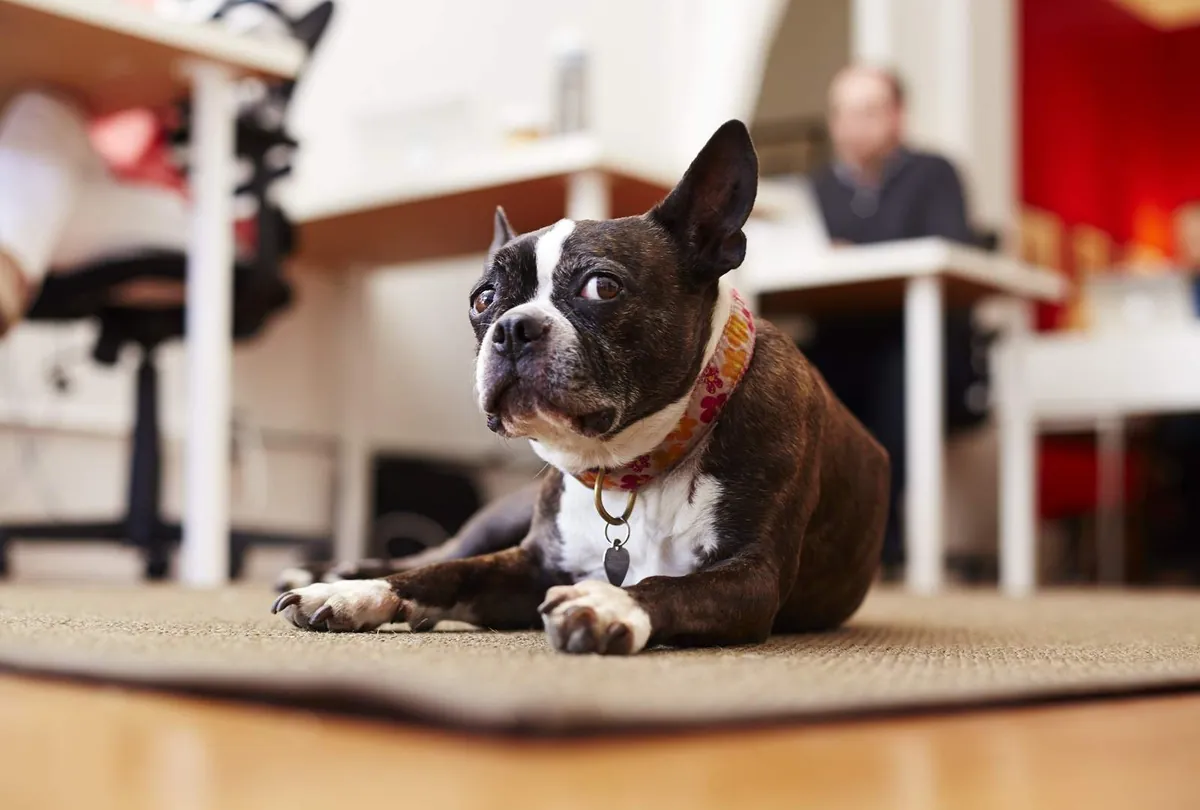
It is not defiance, it is communication
Dogs do not act out of spite or rebellion. When they do not follow commands, it usually means one of the following:
- They do not understand what you are asking
- The reward is not worth the effort
- They are distracted or overstimulated
- They are stressed, anxious, or uncomfortable
So before calling your dog stubborn, take a step back. The problem is often not attitude. It is clarity.
Common Reasons Why Dogs Seem Stubborn
Lack of proper training
Dogs are not born knowing commands. If training has been inconsistent or rushed, your dog might not fully understand what you expect.
Short, regular sessions work better than long, irregular ones. Repetition builds reliability.
Low motivation
Let’s be honest. If you were asked to do something boring for no reward, you would probably ignore it, too.
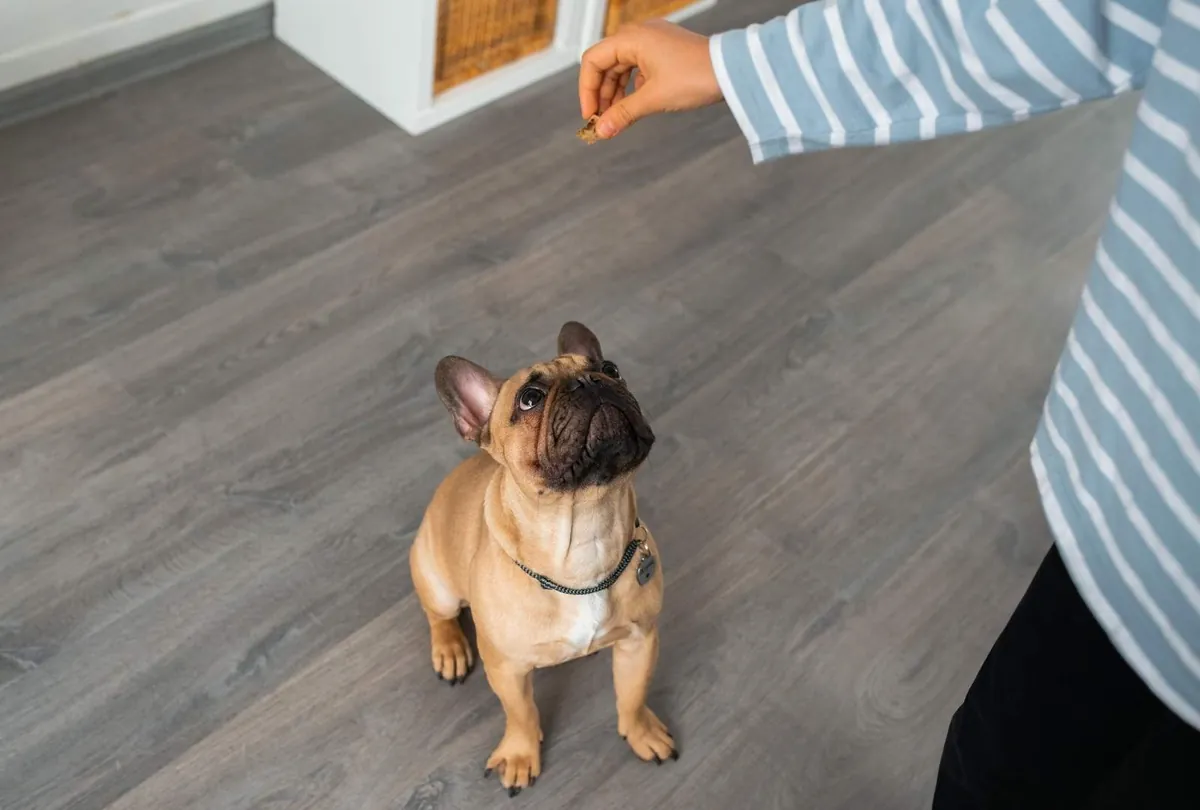
Dogs respond best when there is something in it for them. That could be treats, praise, play, or attention.
The American Kennel Club explains that when dogs are not afraid of making mistakes, they become more active participants in the training process.
Too many distractions
If you are training in a noisy park with people, other dogs, and smells everywhere, your dog’s brain is overloaded.
Start training in a quiet environment, then gradually increase distractions.
Fear or anxiety
A dog that feels unsafe will not respond reliably. Fear shuts down learning.
Signs of anxiety include:
- Avoiding eye contact
- Tail tucked
- Excessive panting
- Refusing to move
If this is the case, training needs to slow down and focus on building confidence.
Breed traits and personality
Some breeds are naturally more independent. That does not mean they cannot be trained. It just means they may need more patience, consistency, and a bit more creativity in your approach.
Working breeds such as the Border Collie or German Shepherd are known for their intelligence and eagerness to follow commands, which makes them highly responsive during training.
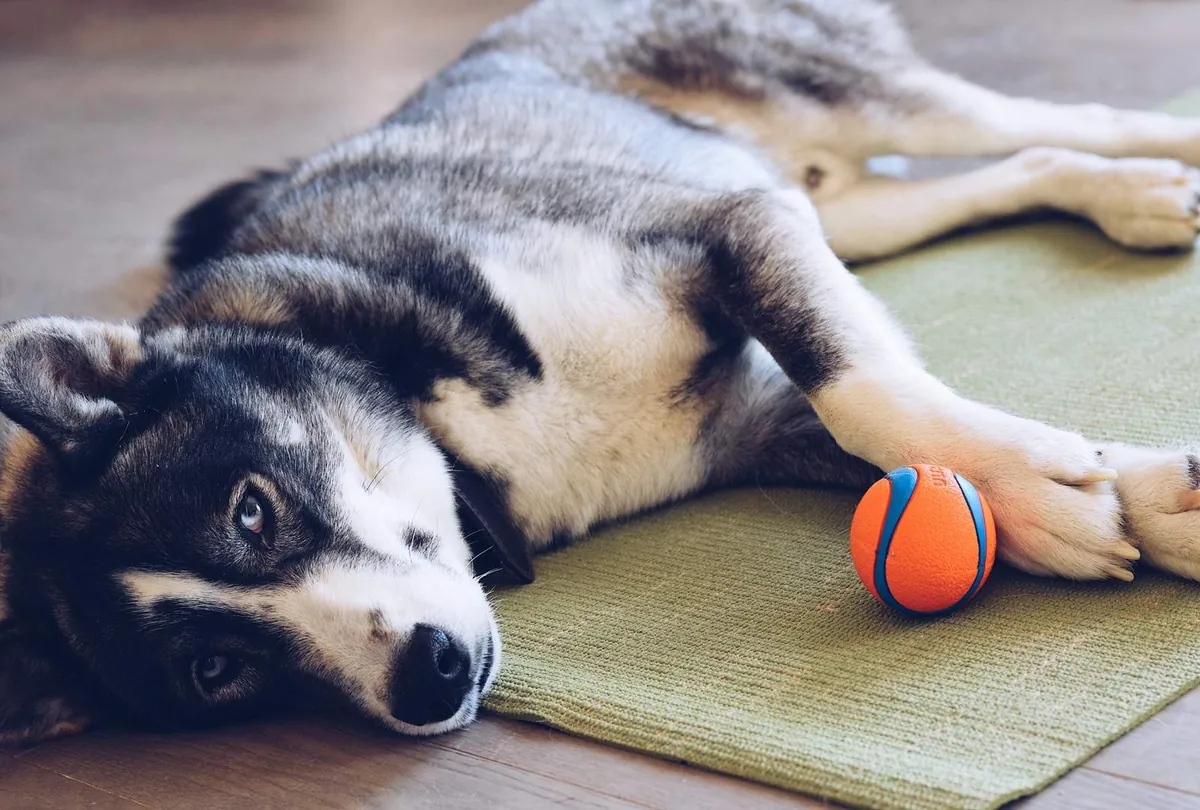
On the other hand, more independent breeds like the Siberian Husky, Shiba Inu, or Bulldog are often labeled as stubborn dogs because they tend to think for themselves and may not see the point in following commands unless properly motivated.
Also, read
Signs Your Dog Is Not Being “Stubborn”
They respond sometimes, but not always
This usually means they understand the command but are choosing based on motivation or environment.
They perform well at home but not outside
That is a distraction issue, not stubbornness.
They hesitate before responding
This can indicate uncertainty, not defiance.
Recognizing these signs helps you adjust your approach instead of blaming the dog.
What to Do About Stubborn Dog Behavior
1. Go back to basics
If your dog is inconsistent, simplify the training.
- Use clear, single-word commands
- Keep sessions short, around 5 to 10 minutes
- Practice daily
Consistency beats intensity every time.
2. Use better rewards
Not all rewards are equal. Some dogs work for kibble. Others need something more exciting, like chicken or a favorite toy.
Test different rewards and see what gets the strongest response.
3. Be consistent with rules
If your dog is allowed on the couch sometimes but scolded other times, you are creating confusion.
Set clear rules and stick to them.
Dogs learn patterns, not exceptions.
4. Avoid punishment-based training
Punishment can suppress behavior temporarily, but it does not teach your dog what to do instead.
It can also damage trust and increase fear.
Positive reward training for dogs is one of the most effective and humane approaches to training. By reinforcing good behavior with rewards, it builds trust, strengthen your relationship, and delivers long-term results. Learn more from this guide by MyK9U.
5. Manage the environment
Set your dog up for success.
- Train in quiet areas first
- Use a leash if needed for control
- Gradually introduce distractions
This builds reliability step by step.
6. Keep training sessions engaging
Boring training leads to poor results.
Mix things up:
- Alternate commands
- Add play breaks
- Keep energy positive
Think of training as a game, not a chore.
7. Exercise your dog properly
A tired dog listens better. It is that simple.
Daily walks, playtime, and mental stimulation reduce excess energy that can interfere with training.
Regular dog walking also improves focus and reduces behavioral issues over time.
How Daily Routine Improves Stubborn Dog Behavior
A structured routine can fix more behavior problems than most people realize.
A well-balanced day should include:
- Physical exercise
- Mental stimulation
- Rest periods
- Consistent feeding times
If your schedule is unpredictable, your dog’s behavior will be too.
This is where services like day care or structured dog walking can help maintain routine and energy balance. If your dog has excess energy or lacks stimulation during the day, structured care can make training at home much easier.
You can explore options like boarding, day care, or dog walking at Dog House Dubai to support a more balanced routine.
When to Be Patient and When to Adjust
Here is the reality. Training takes time. If you expect instant obedience, you are setting yourself up for frustration.
Be patient when:
- Your dog is still learning a new command
- You are introducing distractions
- Your dog is adjusting to a new routine
But adjust your approach when:
- Progress has completely stalled
- Your dog shows signs of stress or fear
- You are repeating the same method without results
Stubborn behavior is often a sign that your method needs tweaking, not that your dog is incapable.
Also, read
Conclusion
Calling a dog stubborn is easy. Fixing the behavior takes a bit more effort and a lot more understanding.
Most of the time, what we label as a stubborn dog is not actually defiance. Your dog may be confused, unmotivated, distracted, or uncomfortable. Once you identify the real cause, the solution becomes much clearer.
Focus on clear communication, consistent training, and positive reinforcement. Build routines that support good behavior. Keep sessions engaging and realistic.
Do that, and what once felt like stubbornness will start to look a lot more like progress.