
Table of Contents
Many pet owners believe a dog is cold only during winter. Snowy sidewalks, jackets, and frosty mornings usually signal when extra care is needed. But the reality is very different.
A dog is cold whenever their body temperature drops below what feels comfortable, and this can happen in any climate. In warm regions like Dubai, cooler evenings, rainy periods, early mornings, tiled floors, and strong air conditioning can all leave your pet feeling chilled. Add wet fur after a walk or long hours indoors under AC, and suddenly you may be dealing with a cold dog even when outdoor temperatures seem mild.
Simply put, your dog is cold more often than many owners realize.
Recognizing the signs early helps prevent discomfort, stress, and potential health issues. Below are seven clear signs your dog is cold, along with practical ways to help.
Why Your Dog Is Cold (Even in Warm Climates)
Not all dogs tolerate cooler temperatures the same way. Coat thickness, body size, age, and overall health all affect how well your dog retains heat.
Smaller breeds, short-haired dogs, puppies, and senior pets lose body warmth faster. According to PetMD, these dogs are especially vulnerable, meaning a dog is cold much sooner than owners expect.
Rain, damp fur, cold floors, and air-conditioned rooms accelerate heat loss. This explains why a cold dog is common even in countries without traditional winter seasons.
If your home feels chilly, there is a strong chance your dog feels it too.
How Do I Know if My Dog Is Cold?
Many owners ask this exact question: How do I know if my dog is cold?
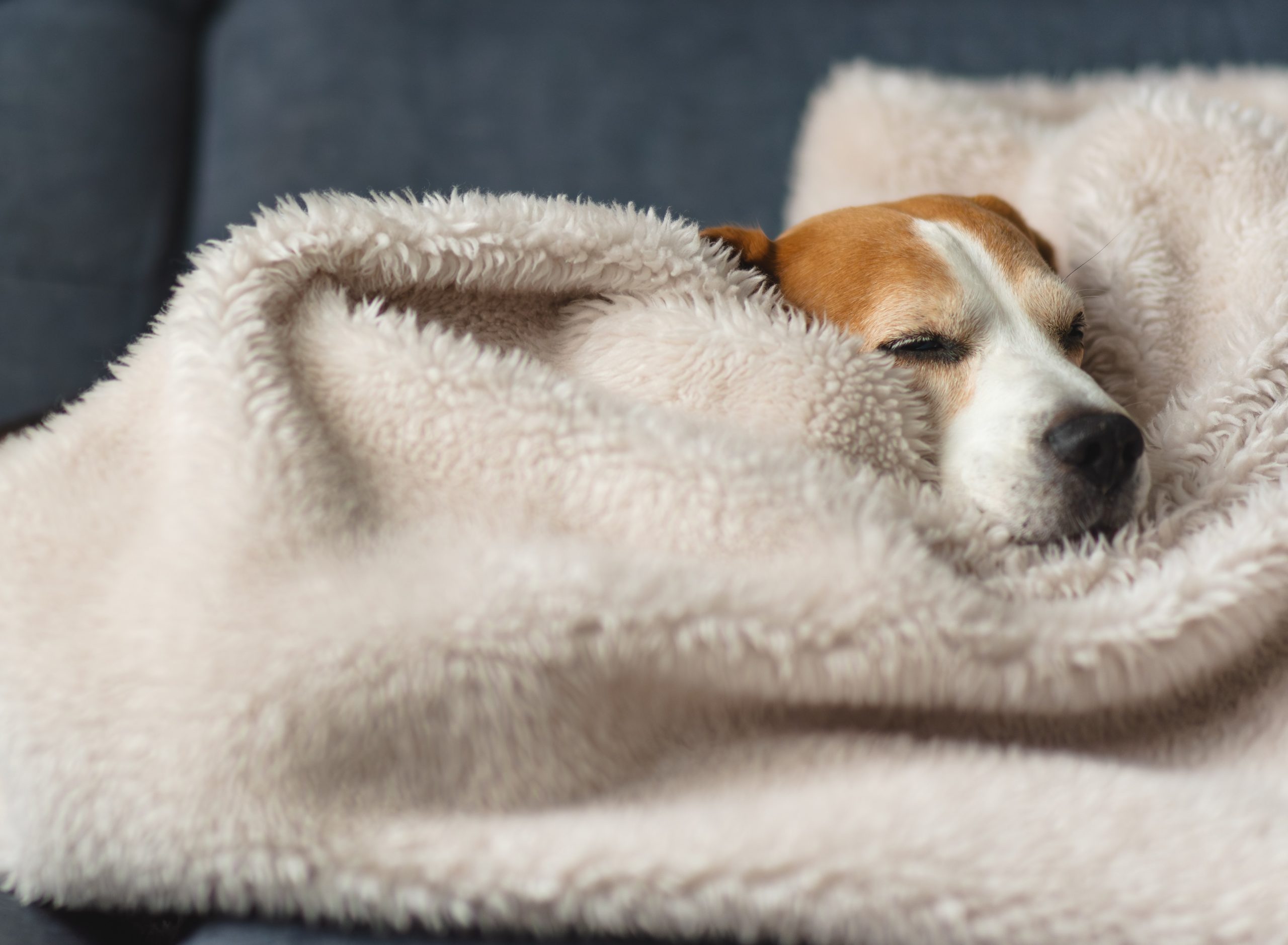
The answer lies in observing changes in behavior and body language. A cold dog may shiver, curl up tightly, become unusually clingy, or seem reluctant to move. You might notice cold ears or paws, slower movement, or your dog seeking warm spots around the house.
Dogs do not complain verbally, so these subtle signs are their way of telling you something feels wrong. When you notice several of these behaviors together, it is very likely your dog is cold and needs immediate comfort.
1. Shivering or Trembling
What it looks like
Your dog begins shaking, sometimes even while resting indoors.
Why it happens
Shivering is your dog’s natural response to generate warmth when their body temperature drops.
How to help
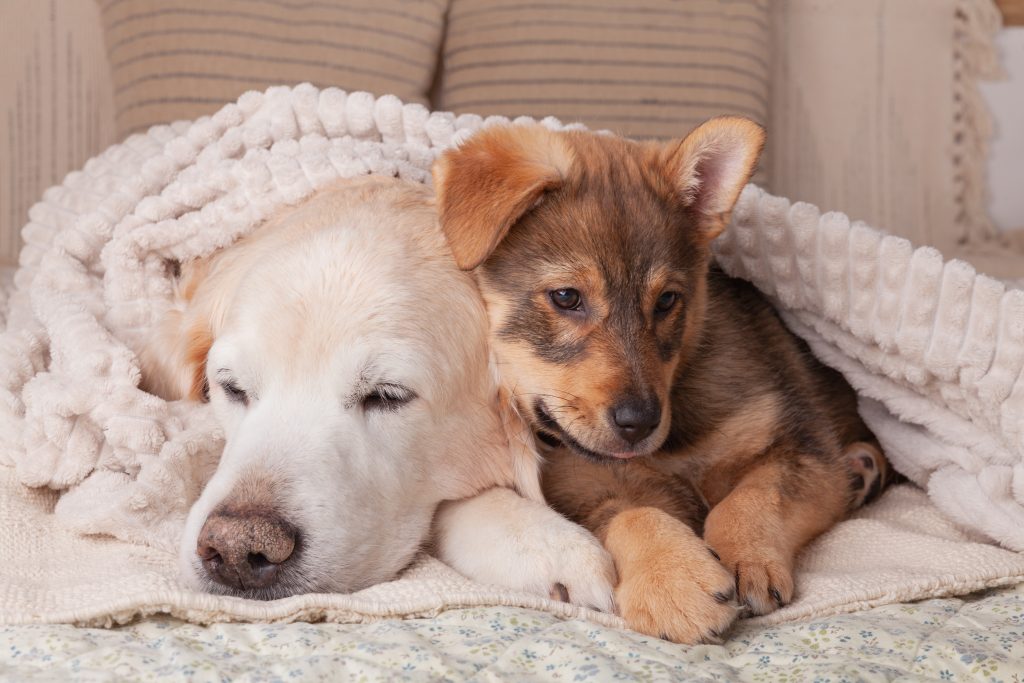
Move your dog to a warmer area immediately. Provide a blanket or soft bedding and avoid cold floors. If your cold dog continues to shiver indoors, do not ignore it.
2. Curling Up or Tucking Their Tail
What it looks like
Your dog curls tightly into a ball or tucks their tail close.
Why it happens
This position helps conserve heat by protecting vital organs and reducing exposure.
How to help
Create a cozy resting space away from drafts. Raised beds and warm blankets offer far better comfort than tiled flooring.
3. Cold Ears, Nose, or Paws
What it looks like
Your dog’s ears or paw pads feel noticeably cold to the touch.
Why it happens
Extremities lose heat first, making this one of the earliest physical signs your dog is cold.
How to help
Dry paws after walks, limit exposure to cold surfaces, and provide soft bedding. It is recommended to keep pets indoors during damp or cooler conditions and watch sensitive areas like paws and ears closely.
4. Whining or Seeking Constant Attention
What it looks like
Your dog becomes unusually clingy, whines, or keeps trying to sit next to you.
Why it happens
When a cold dog feels uncomfortable, they instinctively seek warmth and reassurance.
How to help
Allow cuddling and offer a nearby blanket or warm resting spot. Your body heat provides immediate comfort.
5. Lethargy or Reluctance to Move
What it looks like
Your normally active dog suddenly appears tired or uninterested in activity.
Why it happens
Cold muscles can feel stiff, making movement uncomfortable.
How to help
Encourage gentle indoor play and keep walks shorter but consistent. Always provide a warm place to rest afterwards.
6. Dry Skin or a Dull Coat
What it looks like
Flaky skin, increased scratching, or fur losing its shine.
Why it happens
Cool air combined with indoor air conditioning dries out your dog’s skin and coat, reducing their natural insulation and making it easier for a dog to become cold.
How to help
Regular grooming helps distribute natural oils and supports healthy coat insulation. A warm Shower & blow-dry session followed by a pet-friendly perfume treatment can restore comfort, while optional hypoallergenic shampoo upgrades are especially helpful for sensitive dogs.
Professional grooming also allows early detection of skin issues before they worsen.
7. Slow Recovery After Outdoor Time
What it looks like
Your dog takes longer than usual to warm up after walks or rainy outings.
Why it happens
Their body is struggling to regulate temperature efficiently.
How to help
Dry them immediately, provide warmth, and avoid extended outdoor exposure during cooler parts of the day. If recovery feels unusually slow, consult your veterinarian.
Simple Ways to Keep Your Dog Comfortable Year-Round
Provide Warm Sleeping Areas
Avoid cold floors. Use raised beds, padded mats, and blankets in draft-free zones.
Adjust Walk Times
Midday walks are usually warmer, while early mornings and late evenings are cooler, especially after rain.
Keep Them Dry
Moisture speeds up heat loss. Always dry paws and fur after outdoor time.
Maintain Regular Grooming
Clean, healthy coats regulate temperature more effectively.
If you are looking for grooming support, Dog House Dubai provides professional grooming, Shower & Blow Dry sessions, ear cleaning, teeth brushing, and optional hypoallergenic shampoo upgrades to help ensure your dog stays comfortable in every season. Learn more at Dog House Dubai.
When Being Cold Becomes a Health Risk
Cold exposure is not just uncomfortable. In severe cases, it can lead to hypothermia.
Warning signs include:
- Extreme lethargy
- Weak pulse
- Pale gums
- Shallow breathing
The Centers for Disease Control and Prevention notes that animals, like humans, are vulnerable to temperature extremes and should be protected from prolonged exposure.
If you notice these symptoms, seek veterinary care immediately.
Conclusion
Dogs communicate discomfort through behavior, not words. Shivering, curling up, cold paws, clinginess, or low energy are all signs your dog is cold and needs help.
Whether you live in a cold climate or a warm one, your dog still requires protection from chilly weather, rain, and air-conditioned environments. Paying attention to these signals, adjusting daily routines, and maintaining coat health can significantly improve your dog’s comfort.
A warm dog is a happy dog.
For grooming or day care support to help your pup stay clean, comfortable, and relaxed year-round, visit Dog House Dubai