
Table of Contents
Many dog owners brush their pet’s coat regularly, trim their nails, and make sure they receive routine vaccinations. However, dental care is often overlooked until there is a noticeable problem. By the time a dog develops bad breath, swollen gums, or difficulty eating, dental disease may already be well advanced.
Professional dog dental cleaning is one of the most effective ways to protect your dog’s oral health and overall wellbeing. Regular dental care helps prevent painful infections, tooth loss, and bacteria that can spread to other organs in the body.
In this guide, we’ll explain what professional dog dental cleaning involves, when your dog may need it, and why preventative dental care is an important part of responsible pet ownership.
What Is Professional Dog Dental Cleaning?
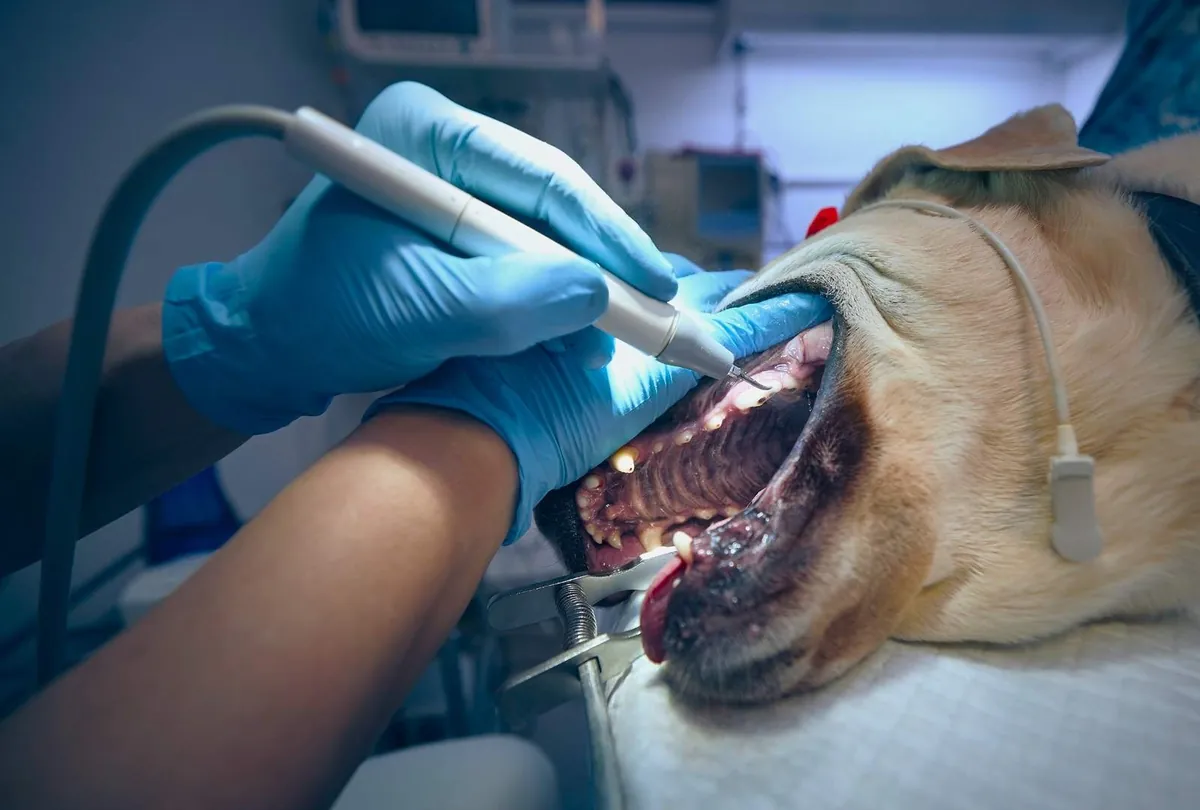
Professional dog dental cleaning is a veterinary procedure designed to remove plaque, tartar, and bacteria from your dog’s teeth and beneath the gumline. Unlike brushing at home, professional cleaning reaches areas that cannot be cleaned safely without specialised equipment.
The procedure is usually performed under general anaesthesia so the veterinarian can thoroughly examine every tooth, clean below the gums, polish the teeth, and take dental X-rays if necessary.
According to the American Veterinary Medical Association, professional dental care is an essential part of maintaining your dog’s long-term health.
For more information about veterinary dental procedures, visit the American Veterinary Medical Association’s dental care guidance here.
Why Professional Dog Dental Cleaning Is Important
Dental disease is one of the most common health conditions affecting adult dogs.
Plaque begins forming only hours after eating. If it is not removed regularly, it hardens into tartar, which traps bacteria along the gumline. Over time, this can lead to periodontal disease, gum infections, loose teeth, and chronic pain.
Professional cleaning helps:
- Remove hardened tartar
- Reduce harmful bacteria
- Prevent gum disease
- Protect healthy teeth
- Improve breath
- Reduce the risk of infections spreading through the bloodstream
Research published by the American Animal Hospital Association recommends routine dental assessments as part of preventive healthcare for companion animals. Learn more here.
How Dental Disease Develops
Plaque Formation
Plaque is a sticky film of bacteria that forms on teeth every day. Without regular cleaning, plaque mineralises into tartar.
Tartar Buildup
Tartar cannot be removed with a toothbrush once it hardens. It creates rough surfaces that allow even more bacteria to accumulate.
Gingivitis
As bacteria increase, the gums become inflamed and may appear red, swollen, or bleed easily.
Periodontal Disease
If left untreated, the infection spreads deeper into the tissues supporting the teeth. This can result in loose teeth, abscesses, bone loss, and severe discomfort.
The World Small Animal Veterinary Association notes that periodontal disease affects the majority of dogs over three years of age.
Signs Your Dog May Need Professional Dental Cleaning
Some dogs hide dental pain surprisingly well. Watch for these common warning signs:
- Persistent Bad Breath: Occasional “dog breath” is normal, but a strong, unpleasant odour often indicates bacterial buildup or infection.
- Yellow or Brown Tartar: Visible tartar near the gumline is a strong sign that professional cleaning may be required.
- Red or Bleeding Gums: Healthy gums should be pink. Inflamed or bleeding gums may indicate gingivitis.
- Difficulty Eating: Your dog may chew slowly, favour one side of the mouth, or avoid hard food.
- Loose or Broken Teeth: Damaged teeth should always be assessed by a veterinarian.
- Pawing at the Mouth: Frequent rubbing or pawing at the mouth can indicate discomfort.
- Excessive Drooling: Painful oral conditions may increase saliva production.
- Changes in Behaviour: A normally playful dog may become withdrawn or irritable because of chronic dental pain.
Which Dogs Need Professional Dental Cleaning Most Often?
Every dog can benefit from dental care, but some are at greater risk.
Small Breeds
Smaller dogs often have crowded teeth, making plaque accumulate more quickly.
Senior Dogs
Older dogs have had more years for plaque and tartar to build up.
Flat-Faced Breeds
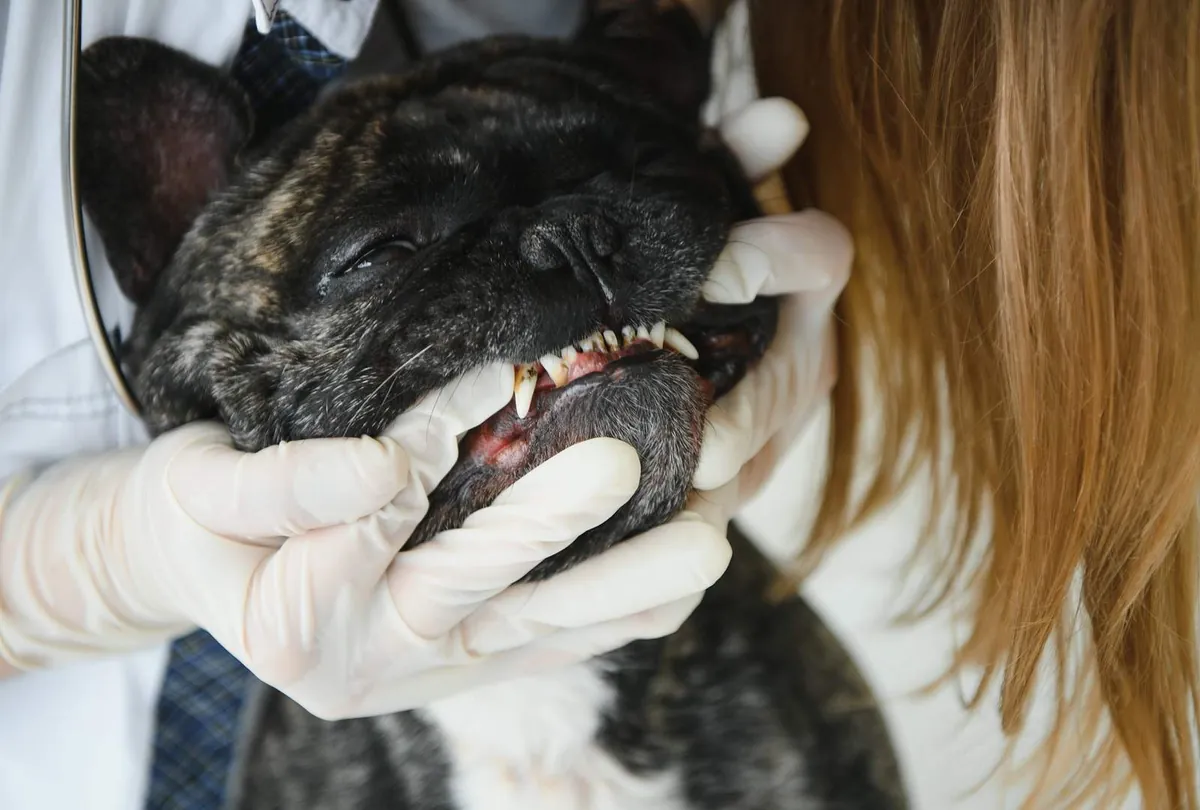
Breeds with shortened muzzles often experience crowded teeth that are harder to keep clean.
Dogs That Rarely Chew
Dogs that only eat soft food or rarely chew suitable dental products may develop tartar faster.
Regular veterinary dental assessments help determine when professional cleaning becomes necessary.
How Often Should Dogs Have Professional Dental Cleaning?
There is no universal schedule because every dog is different.
Factors that influence cleaning frequency include:
- Age
- Breed
- Diet
- Home dental care
- Existing dental disease
- Overall health
Some dogs benefit from annual professional cleanings, while others may require more frequent treatment based on veterinary recommendations.
Routine wellness examinations allow veterinarians to monitor dental health before problems become severe.
Also, read
Can Teeth Brushing at Home Replace Professional Cleaning?
No.
Regular brushing is one of the best ways to slow plaque buildup, but it cannot remove hardened tartar below the gumline.
The best approach combines:
- Daily or frequent brushing
- Veterinary dental examinations
- Professional dental cleaning when recommended
- Appropriate dental chews if advised by your veterinarian
Home care helps extend the time between professional cleanings, but should not replace veterinary dental treatment.
Supporting Your Dog’s Oral Hygiene Between Professional Cleanings
Good oral hygiene starts with consistent daily habits.
You can support your dog’s dental health by:
- Brushing their teeth with dog-specific toothpaste
- Scheduling regular veterinary check-ups
- Monitoring for bad breath or gum changes
- Feeding a balanced diet
- Using veterinarian-approved dental products
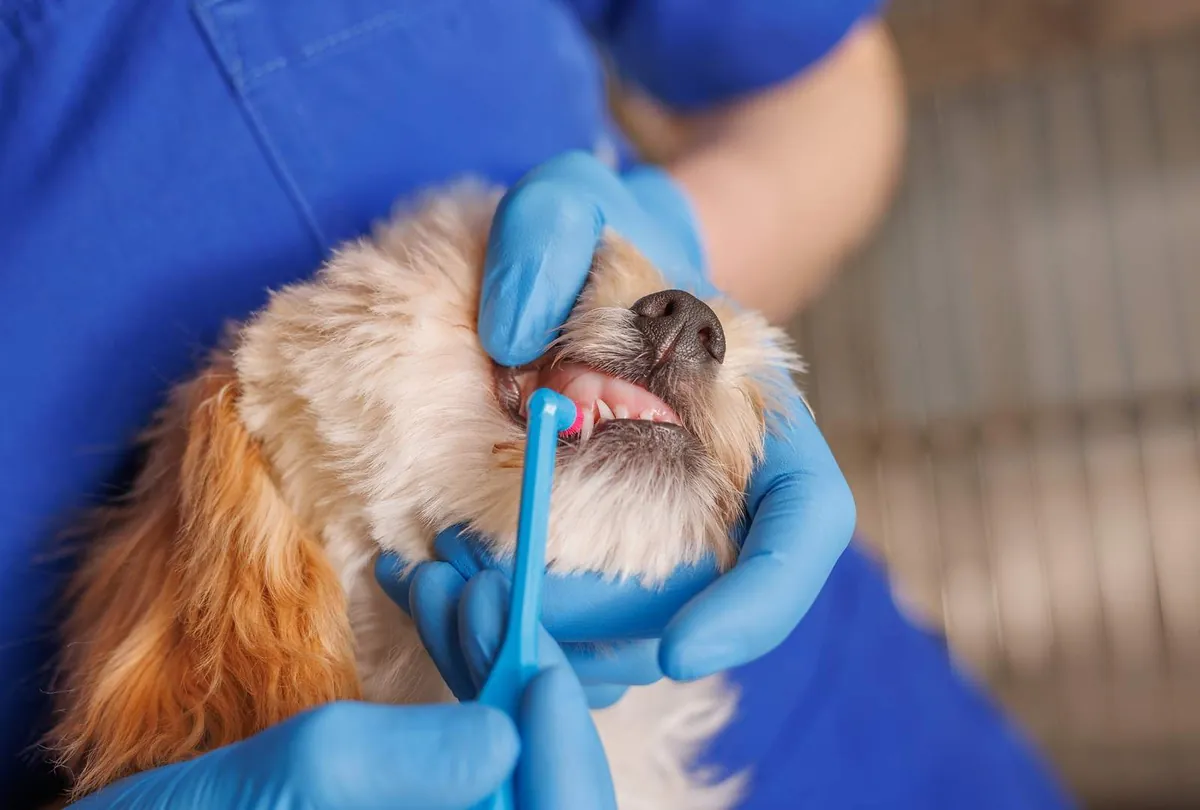
Regular teeth brushing is one of the best ways to reduce plaque buildup and lower the risk of developing dental disease when practised consistently.
At Dog House Dubai, teeth brushing and ear cleaning services can help support your dog’s ongoing oral and hygiene routine. While these treatments promote good dental health, dogs with significant tartar buildup or existing dental disease should still be assessed by a veterinarian to determine whether professional dental cleaning is needed. Learn more about the grooming and hygiene services available at Dog House Dubai!
Also, read
Conclusion
Professional dog dental cleaning is about much more than improving your dog’s breath. It plays a vital role in preventing painful dental disease, preserving healthy teeth, and supporting your dog’s overall health.
By recognising early warning signs, maintaining a consistent home care routine, and following your veterinarian’s recommendations for professional cleanings, you can help your dog enjoy a healthier mouth and a better quality of life for years to come.
Preventive dental care is always easier, less invasive, and often less costly than treating advanced periodontal disease. Making dental health part of your dog’s regular healthcare routine is one of the best investments you can make in their long-term wellbeing.