
Table of Contents
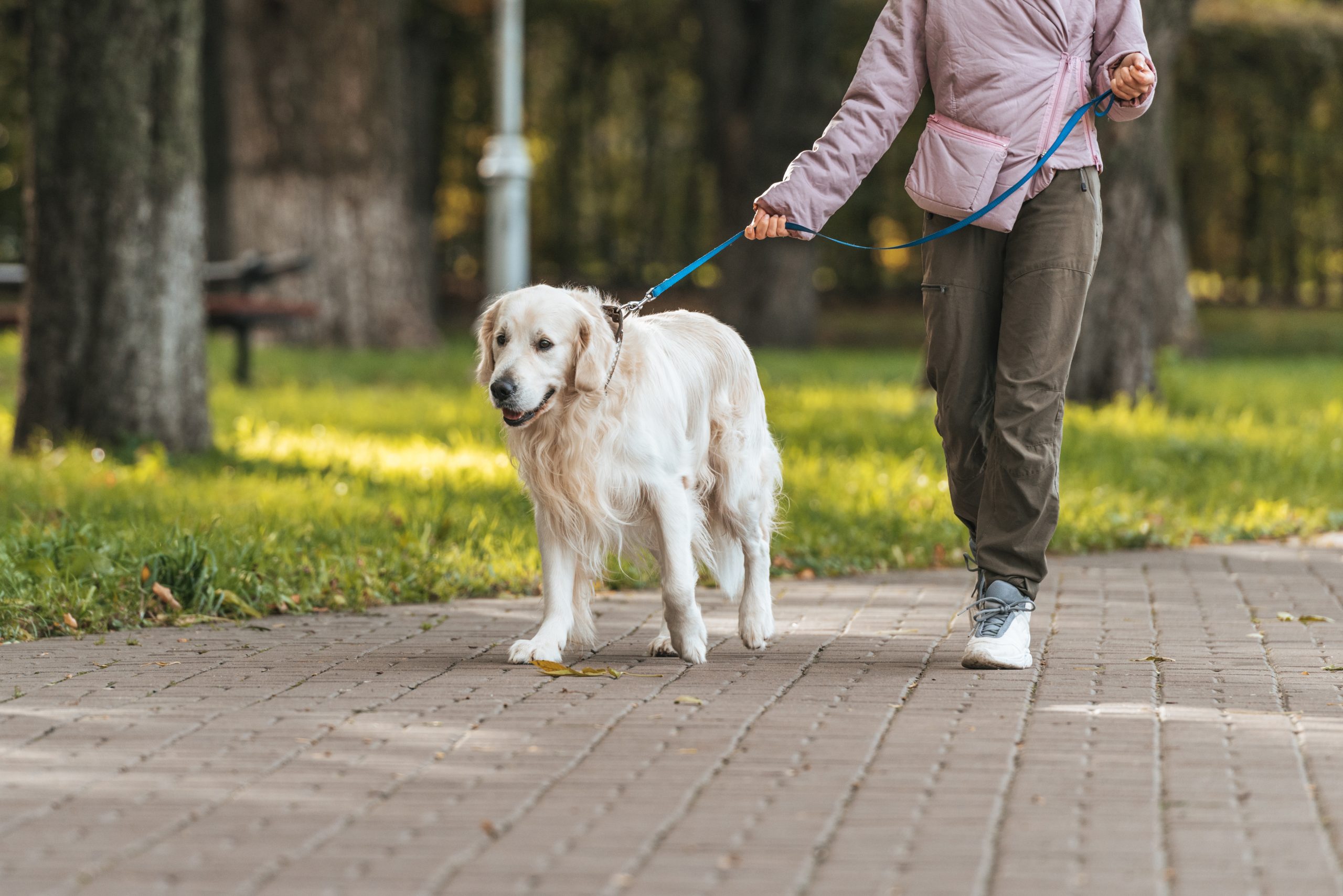
Walking is one of the most important daily activities for a dog. It supports physical health, mental stimulation, healthy weight management, and behavioral balance. Yet many dog owners ask the same question: how often should you walk your dog for good health?
The answer depends on several factors, including breed, age, energy level, and overall health. While there is no universal rule for every dog, understanding your dog’s needs helps ensure they receive the right amount of exercise to stay happy and healthy.
This guide explains how often dogs should be walked and what factors influence their exercise needs so you can build a consistent routine that benefits both you and your dog.
Why Regular Dog Walking Matters
Walking is not simply about letting your dog stretch their legs. It plays a major role in both physical and mental well-being.
Regular walks help maintain a healthy weight, strengthen muscles and joints, and support cardiovascular health. According to the American Kennel Club, daily exercise also reduces anxiety, boredom, and destructive behavior in dogs.
Walking also provides valuable mental stimulation. Dogs experience the world largely through scent, and a walk filled with new smells and environments becomes an enriching activity that keeps their minds active.
Consistent walks also give owners an opportunity to observe their dog’s overall condition. Many professional dog walkers perform quick visual checks during walks to ensure dogs appear healthy, hydrated, and comfortable.
How Often Should You Walk Your Dog?
Most dogs benefit from at least one to two walks per day. However, the exact frequency depends on breed, age, and energy level.
Some dogs are naturally calm and satisfied with shorter walks, while others require much more activity to remain balanced and healthy.
Small and Low Energy Breeds
Dogs with lower energy levels may only need one moderate walk per day, typically lasting between 20 and 30 minutes.
Examples include:
- Shih Tzu
- Pug
- French Bulldog
- Cavalier King Charles Spaniel
Even small dogs benefit from daily outdoor activity, which helps prevent weight gain and supports joint health.
A short, focused walk that allows your dog to explore safely can provide both physical movement and mental stimulation.
Medium Energy Breeds
Many family dogs fall into this category and typically require two walks per day, totaling around 45 to 60 minutes of activity.
Examples include:
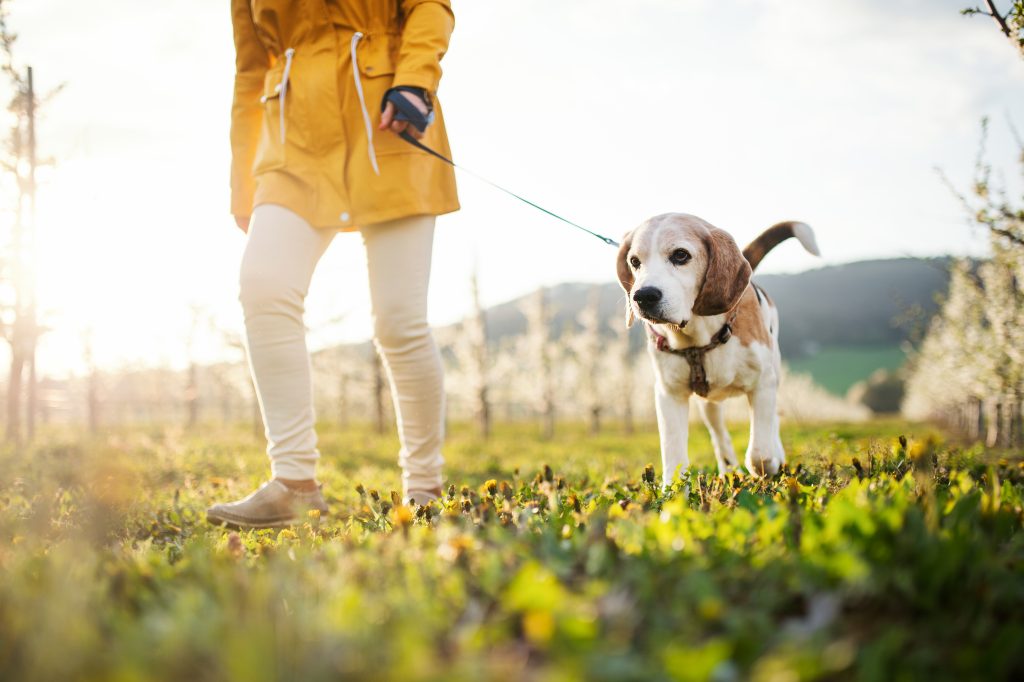
- Beagle
- Bulldog
- Cocker Spaniel
- Miniature Schnauzer
Breaking exercise into morning and evening walks helps distribute activity evenly throughout the day. This routine often prevents excessive energy buildup indoors and keeps dogs calmer at home.
High Energy Breeds
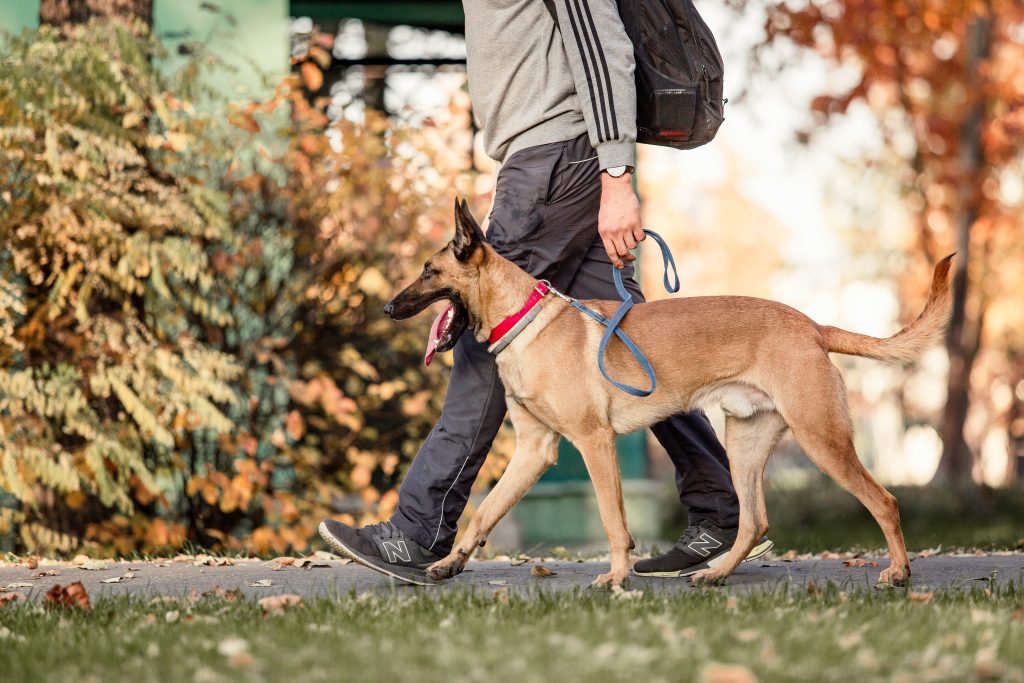
Working and athletic breeds generally require two or more walks per day, often combined with additional play or training activities.
Examples include:
- Border Collie
- Labrador Retriever
- Australian Shepherd
- German Shepherd
High-energy breeds may need 60 to 120 minutes of exercise daily to stay physically and mentally balanced.
Factors That Affect How Often a Dog Should Be Walked
Every dog has unique exercise requirements. Several factors help determine the most suitable walking schedule.
Age
Age significantly influences a dog’s exercise needs.
Puppies tend to have bursts of energy, but should avoid long walks that may strain developing joints. Short walks combined with playtime are often ideal.
Adult dogs generally benefit from regular daily exercise and structured walking routines.
Senior dogs may prefer shorter and slower walks that maintain mobility without placing unnecessary stress on joints.
Breed Characteristics
Breed traits strongly influence exercise needs.
Many dogs were originally bred for specific working roles, such as herding livestock or assisting hunters. These breeds often have higher stamina and benefit from more frequent activity.
For example:
- Herding breeds typically require strong mental stimulation
- Sporting breeds often enjoy longer outdoor walks
- Toy breeds may be satisfied with shorter walks
Understanding your dog’s breed background helps determine an appropriate walking schedule.
Health Considerations
A dog’s overall health should always be considered when planning a walking routine.
Dogs with joint conditions, breathing issues, or other health concerns may require shorter or slower walks. Monitoring your dog’s behavior during and after walks can help identify whether adjustments are necessary.
Paying attention to signs such as excessive fatigue, limping, or discomfort can help prevent overexertion.
Also, read
How Long Should Each Dog Walk Be?
Besides walking frequency, walk duration is another important factor.
General guidelines include:
- Small breeds: 20 to 30 minutes per walk
- Medium breeds: 30 to 45 minutes per walk
- Large or active breeds: 45 to 60 minutes or more
However, the quality of the walk matters just as much as the length. A walk that allows a dog to explore different environments, encounter new scents, and receive focused attention can provide greater enrichment than a rushed outing.
In many professional dog walking sessions, dogs receive individual attention during a structured walk, along with fresh water breaks and observation to ensure they remain comfortable and safe.
Supporting Your Dog’s Daily Routine
Dogs thrive on predictable routines. Walking them at similar times each day helps establish stability and supports their physical and mental well-being.
Environmental factors should also be considered. In warmer climates such as Dubai, early morning or evening walks are often more comfortable and safer for dogs.
For owners with busy schedules, professional pet care can help maintain a consistent walking routine. Some services provide scheduled walks, regular updates, and photos or videos, allowing owners to stay connected with their pets even while away from home.
Services such as Dog House at Your Door are designed to provide structured walks, attentive care, and updates so owners know how their pets are doing throughout the session. Learn more at dog-house.ae.
Conclusion
So, how often should you walk your dog for good health?
For most dogs, one to two walks per day is recommended, with adjustments based on breed, age, and overall energy level. Some dogs require additional exercise, while others thrive with shorter but consistent daily walks.
Regular dog walking supports a healthy weight, strong muscles, better behavior, and improved mental stimulation. Establishing a consistent routine ensures dogs remain active, balanced, and comfortable in their daily lives.
A thoughtful walking schedule is one of the simplest ways to support your dog’s long-term health and happiness.