
Table of Contents
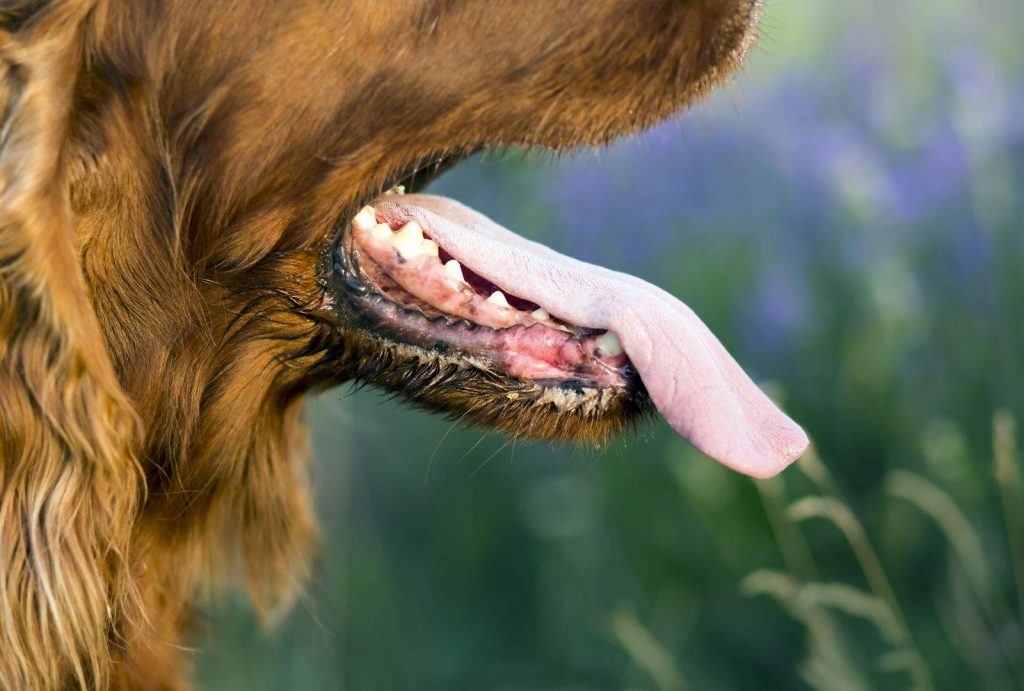
Bad breath in dogs, also known as canine halitosis, is more than just an unpleasant surprise when your dog goes in for a kiss. While occasional odor can be normal, persistent bad breath is often a warning sign that something is not right. Ignoring it does not make it go away. In most cases, it makes things worse.
The good news is that most causes of bad breath in dogs are preventable or manageable with the right care and habits. In this guide, we break down the most common causes of bad breath in dogs, what they mean, and practical solutions every dog owner should know.
What Is Bad Breath in Dogs?
Bad breath in dogs refers to a persistent foul-smelling odor coming from the mouth, most often caused by bacterial buildup. While puppy breath can be mild and temporary, adult dogs with ongoing odor usually have an underlying issue that needs attention.
According to the VCA Animal Hospitals, over 80 percent of dogs show signs of dental disease by age three, making oral health one of the most overlooked aspects of pet care.
Common Causes of Bad Breath in Dogs
1. Poor Dental Hygiene
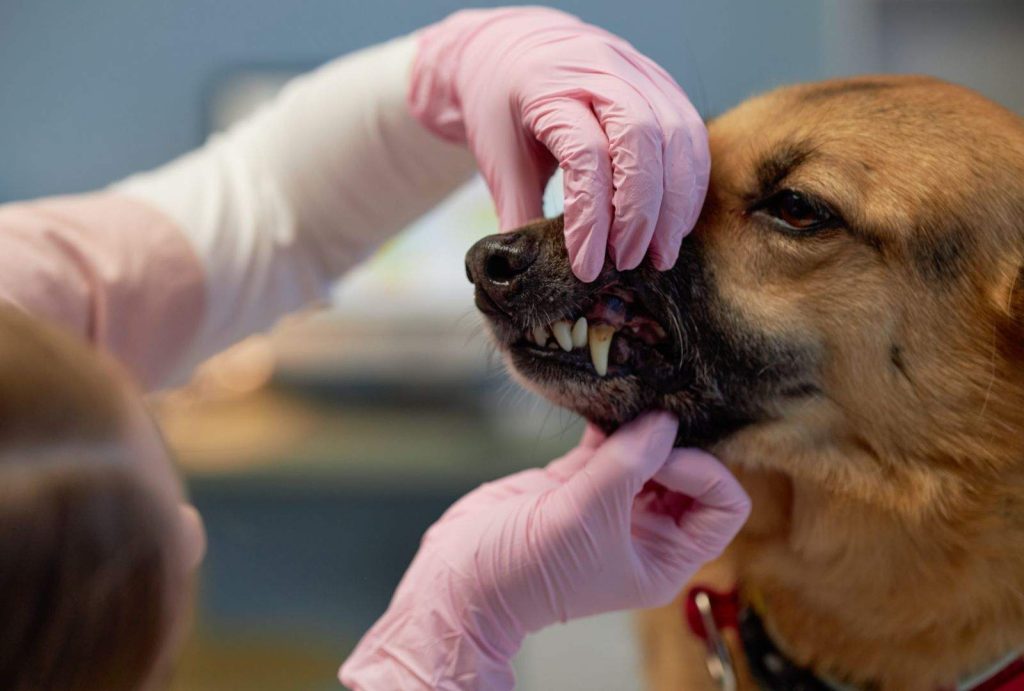
The most common cause is plaque and tartar buildup.
When food particles remain on teeth, bacteria feed on them and produce sulfur compounds that cause odor. Over time, plaque hardens into tartar, leading to gum inflammation and infection.
Signs to watch for:
- Yellow or brown buildup on teeth
- Red or bleeding gums
- Reluctance to chew hard food
- Pawing at the mouth
If left untreated, dental disease can progress into periodontal disease, which can affect more than just the mouth. It may impact the heart, liver, and kidneys.
2. Diet and Food Choices
Some foods are more likely to cause odor than others. Low-quality dog food with fillers can stick to teeth and encourage bacterial growth. Table scraps, especially sugary or processed foods, can also contribute to bad breath.
Dogs that chew on random objects outdoors, such as sticks, trash, or unknown items, can introduce bacteria directly into their mouths.
3. Oral Infections or Tooth Decay
Broken teeth, abscesses, or oral infections create ideal conditions for bacteria to thrive. These issues often cause strong, unpleasant smells and may also cause pain.
Dogs do not always show pain clearly. Bad breath is often the first noticeable sign that something more serious is happening.
4. Gum Disease (Periodontal Disease)
Gum disease starts quietly and worsens over time.
Early stage signs:
- Mild odor
- Red or inflamed gums
Advanced stage signs:
- Severe bad breath
- Gum recession
- Loose or missing teeth
Bacteria from gum disease can enter the bloodstream and increase the risk of systemic health problems.
5. Digestive or Internal Health Issues
In some cases, bad breath may be linked to internal health conditions.
- Kidney disease may cause ammonia-like breath
- Diabetes can cause sweet or fruity-smelling breath
- Liver issues may cause musty or foul odors
If bad breath appears suddenly or smells unusual, a veterinary check is recommended.
Practical Solutions for Bad Breath in Dogs
Daily Teeth Brushing
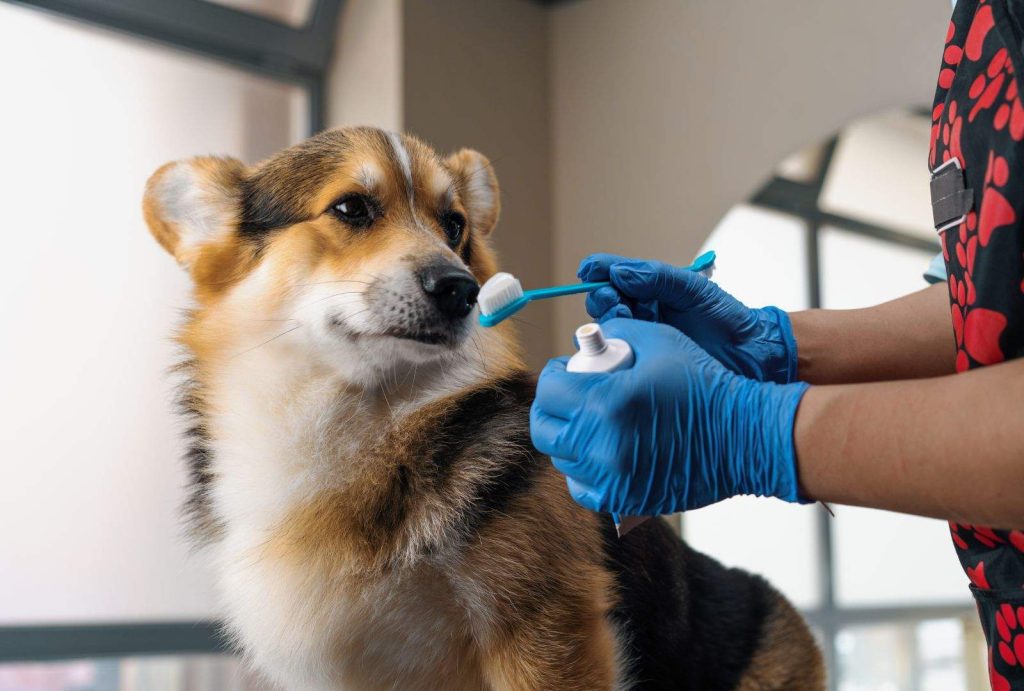
Teeth brushing is one of the most effective ways to prevent bad breath.
Best practices:
- Use toothpaste made specifically for dogs
- Brush at least two to three times per week
- Focus on the gum line where bacteria build up
Short, consistent brushing sessions are more effective than occasional long ones.
Professional Teeth Cleaning Support
For dogs that already have plaque buildup, professional cleaning combined with routine teeth brushing as part of grooming care can help control bacteria and maintain fresher breath.
Dog House Dubai offers teeth brushing services as part of regular grooming routines, which can help support better oral hygiene, especially for dogs that are difficult to brush at home.
These services are meant to support home care, not replace it.
Monitor Diet and Chewing Habits
Choosing high-quality dog food can help reduce plaque buildup. Crunchy kibble may help clean teeth compared to soft food, although it should not be relied on alone.
Avoid giving:
- Sugary treats
- Table scraps
- Unknown food items
Always ensure your dog has access to clean, fresh water to help naturally rinse the mouth.
Regular Grooming and Hygiene
Oral health is closely connected to overall hygiene. Ear infections, skin bacteria, and poor grooming can contribute to unpleasant odors that may be mistaken for bad breath.
Routine grooming, ear cleaning, and hygiene care help reduce bacterial buildup, especially for dogs that attend daycare or boarding environments.
When to See a Vet
You should consult a veterinarian if bad breath:
- Persists despite regular brushing
- Smells unusually sweet, metallic, or rotten
- Is accompanied by changes in appetite or behavior
Bad breath is often a symptom rather than the root cause.
Also, read
Conclusion
Bad breath in dogs is not just unpleasant. It is a signal about your dog’s health, hygiene, and daily habits.
Addressing dental hygiene, diet, and routine care early helps improve breath while supporting long-term comfort and well-being. When oral care is supported by consistent grooming and hygiene routines, including teeth brushing services, dogs are more likely to maintain healthier mouths over time.
Your dog may not say thank you, but the difference will be noticeable.