
Table of Contents
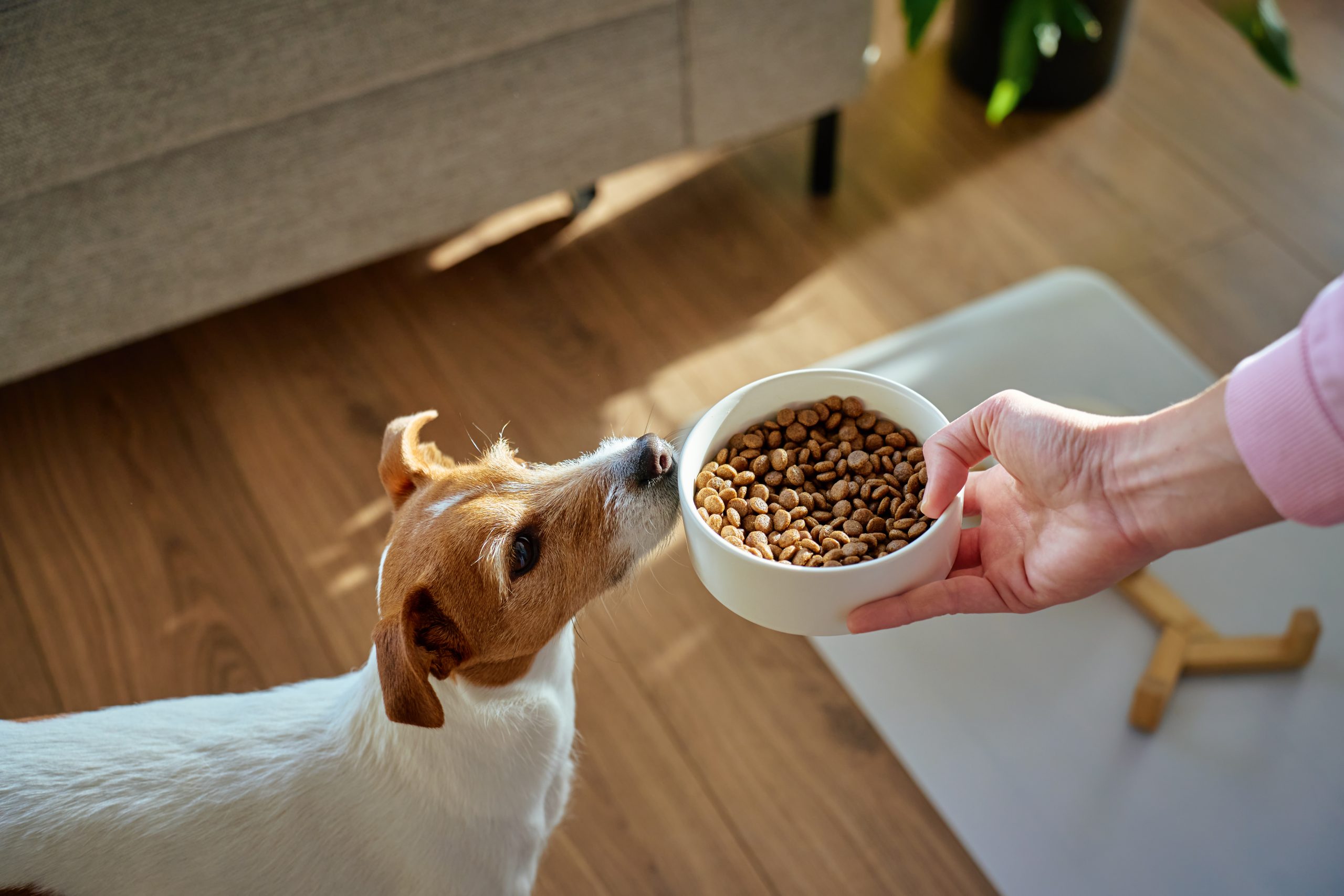
Feeding a dog properly is one of the most important responsibilities of any pet owner. The right feeding amount supports healthy growth, strong muscles, balanced energy levels, and long-term wellbeing.
However, one question many dog owners ask is simple but important: How much should I feed my dog?
The answer depends on several factors, including age, body weight, activity level, metabolism, and the calorie density of the food being used. Puppies require frequent meals for growth, adult dogs need balanced portions to maintain energy, and senior dogs often benefit from adjusted portions that support aging bodies.
While feeding charts can provide a helpful starting point, it is important to remember that feeding recommendations vary between dog food brands. The feeding guidelines printed on your dog food package should always be used as the primary reference because they are calculated based on the specific calorie content of that food.
This guide explains how feeding needs change across life stages and provides a general dog feeding chart by age and weight to help owners estimate appropriate portion sizes.
Why Proper Feeding Matters

Proper feeding is not simply about preventing hunger. The correct portion size plays a critical role in preventing obesity, supporting organ health, and maintaining stable energy levels.
Excess weight in dogs can increase the risk of:
- Joint strain and arthritis
- Heart disease
- Diabetes
- Reduced lifespan
On the other hand, underfeeding can cause nutritional deficiencies, low energy, and poor coat quality.
That is why feeding by age and body weight is a more reliable approach than guessing portion sizes.
General Dog Feeding Chart by Age and Weight
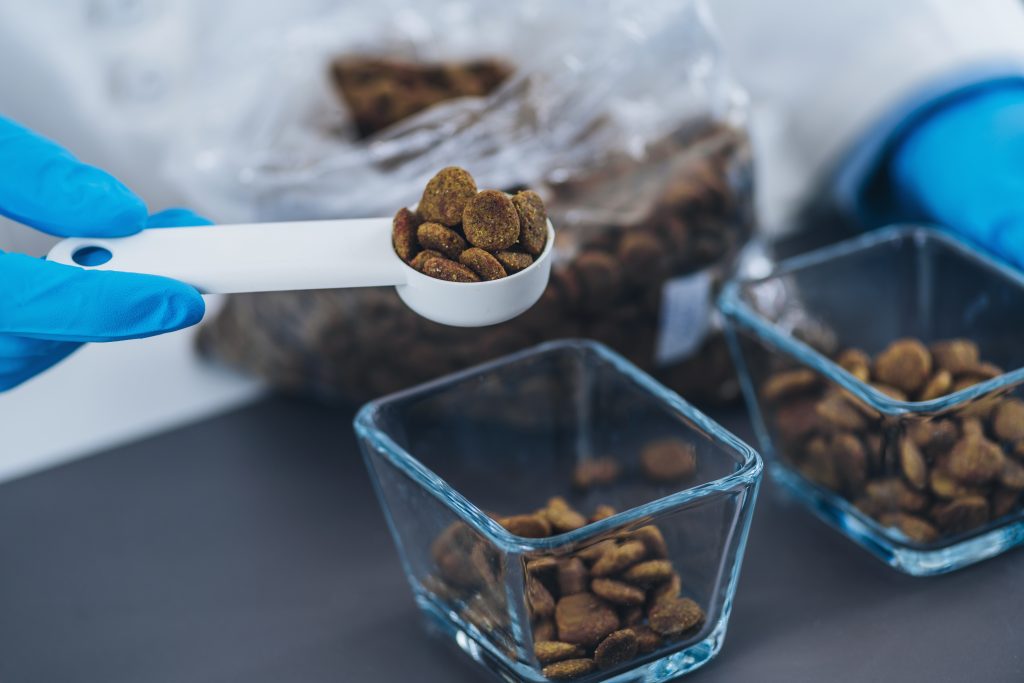
The chart below provides general feeding estimates based on average dry dog food formulas. Because dog foods differ in calorie density, the feeding guidelines on your dog food package should always be considered the most accurate reference.
These estimates can help owners understand typical portion ranges, especially when planning feeding schedules for puppies, adult dogs, and senior dogs.
Puppy Feeding Chart
Puppies grow rapidly and need more calories relative to their body weight than adult dogs.
| Puppy Weight | Age 2 to 3 Months | Age 4 to 5 Months | Age 6 to 12 Months |
|---|---|---|---|
| 2 to 5 kg | 1/2 to 1 cup | 2/3 to 1 1/4 cups | 1 to 1 1/2 cups |
| 6 to 10 kg | 1 to 1 3/4 cups | 1 1/4 to 2 cups | 1 1/2 to 2 1/2 cups |
| 11 to 20 kg | 1 3/4 to 2 1/2 cups | 2 to 3 cups | 2 1/2 to 4 cups |
Puppies should typically be fed three to four meals per day to maintain steady energy levels.
Puppy Feeding Tips
- Feed at consistent times each day
- Choose food specifically formulated for puppies
- Avoid sudden food changes to prevent digestive upset
- Monitor weight gain to ensure healthy growth
Adult Dog Feeding Chart
Once a dog reaches adulthood, usually around 12 months for most breeds, energy requirements stabilize.
| Dog Weight | Daily Food Amount |
|---|---|
| 2 to 5 kg | 1/2 to 3/4 cup |
| 6 to 10 kg | 3/4 to 1 1/2 cups |
| 11 to 20 kg | 1 1/2 to 2 1/2 cups |
| 21 to 30 kg | 2 1/2 to 3 1/2 cups |
| 31 to 40 kg | 3 1/2 to 4 1/2 cups |
Adult dogs are typically fed two meals per day, usually morning and evening.
According to VCA Animal Hospitals, dividing meals into two feedings can help improve digestion and maintain steady energy levels throughout the day.
Adjusting Portions for Activity Level
Not all adult dogs need the same amount of food.
Highly active dogs, such as working breeds or dogs that exercise frequently, may require 10 to 30 percent more calories, while less active dogs may need slightly smaller portions.
Signs your dog may be eating too much include:
- Rapid weight gain
- Reduced stamina
- Difficulty feeling the ribs under the coat
Senior Dog Feeding Chart
Dogs are generally considered seniors at around 7 to 8 years old, although large breeds may age faster.
Senior dogs often require fewer calories due to slower metabolism and reduced activity levels.
| Dog Weight | Daily Food Amount |
|---|---|
| 2 to 5 kg | 1/3 to 1/2 cup |
| 6 to 10 kg | 1/2 to 1 cup |
| 11 to 20 kg | 1 to 2 cups |
| 21 to 30 kg | 2 to 3 cups |
| 31 to 40 kg | 3 to 4 cups |
Many senior dogs benefit from foods formulated with:
- Lower calorie density
- Added joint support nutrients
- Higher fiber for digestive health
Senior Dog Feeding Tips
- Monitor weight regularly
- Split meals into two or three smaller portions if digestion slows
- Ensure constant access to fresh water
- Choose easily digestible food formulas
How to Adjust Feeding Amounts
Even when following feeding charts or package guidelines, adjustments may still be necessary.
Every dog has a slightly different metabolism, and activity level can significantly influence calorie requirements.
Signs that feeding portions may need adjustment include:
- Gradual weight gain
- Visible ribs or weight loss
- Reduced energy levels
- Changes in appetite
Veterinarians often recommend monitoring your dog’s Body Condition Score (BCS) to determine whether portion sizes are appropriate.
Additional guidance about evaluating body condition and feeding practices can be found through the Pet Nutrition Alliance.
Feeding Schedule by Life Stage
Consistency matters just as much as portion size. Dogs thrive on routine.
Puppy Schedule
- 2 to 3 months: 4 meals per day
- 3 to 6 months: 3 meals per day
- 6 to 12 months: 2 to 3 meals per day
Adult Dog Schedule
- 2 meals per day
- Morning and evening feeding is recommended
Senior Dog Schedule
- 2 smaller meals per day
- Some dogs benefit from 3 smaller portions
Regular feeding schedules also help with predictable digestion and bathroom routines, which makes daily care easier.
Also, read
Supporting Your Dog’s Health Beyond Feeding
Nutrition is only one part of a healthy routine. Grooming, regular activity, and a clean environment all contribute to overall well-being.
Professional grooming helps maintain skin health, prevent matting, and detect potential issues early. Services such as ear cleaning, coat care, and hygiene grooming support a dog’s comfort and cleanliness.
At Dog House Dubai, dogs can enjoy structured routines through day care, boarding, grooming, and transport services, ensuring pets remain comfortable and well cared for even when their owners have busy schedules.
Conclusion
Understanding how much to feed a dog is not always straightforward, but following a dog feeding chart by age and weight provides a reliable starting point.
Remember these key principles:
- Puppies need frequent meals and higher calories
- Adult dogs require balanced portions based on weight and activity
- Senior dogs often need reduced calories and easier digestion
By adjusting portions as your dog grows and monitoring body condition regularly, owners can support healthier, happier lives for their pets.
When combined with proper exercise, grooming, and attentive care, the right feeding routine becomes one of the strongest foundations for long-term canine health.