
Table of Contents
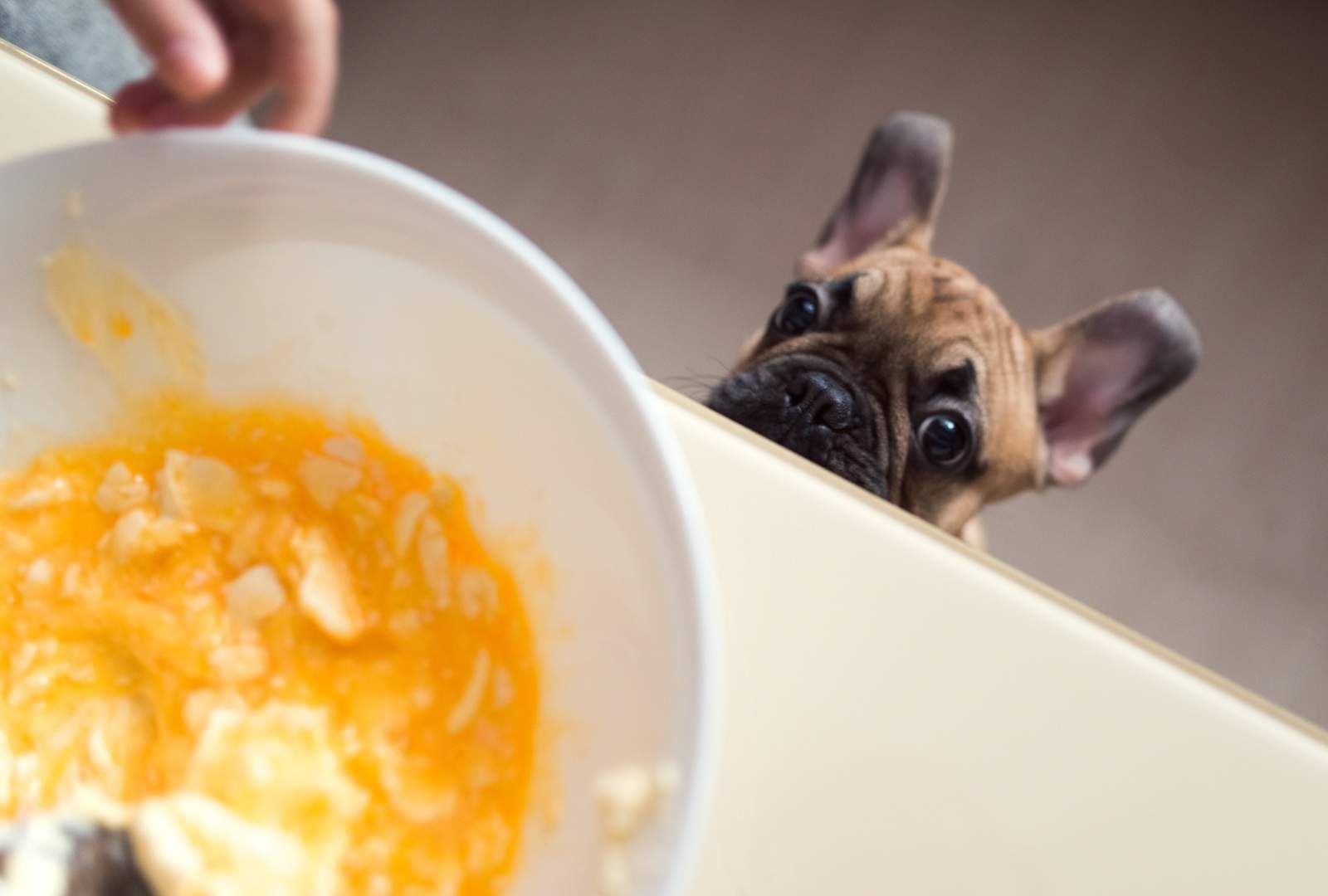
Eggs are one of the most common foods found in households around the world, and many dog owners have wondered whether they can share this nutritious food with their pets. The good news is that, in most cases, dogs can safely eat eggs when they are prepared properly. Eggs are packed with nutrients that can support your dog’s overall health and can even serve as a tasty occasional treat.
However, as with any human food, there are important considerations regarding preparation methods, serving sizes, and potential risks. Understanding how to safely include eggs in your dog’s diet can help you make informed choices that support their well-being.
Can Dogs Eat Eggs?
Yes, dogs can eat eggs. According to the American Kennel Club (AKC), fully cooked eggs can be a healthy and nutritious snack for dogs when served in moderation.
Eggs contain high-quality protein, healthy fats, vitamins, and minerals that contribute to a balanced diet. Many commercial dog foods already incorporate egg products because of their nutritional value and digestibility.
That said, eggs should be considered a supplement or treat rather than a replacement for a complete and balanced canine diet. Dogs require a variety of nutrients that are specifically formulated in quality dog foods.
For more information about canine nutrition, the AKC provides guidance on safe foods for dogs.

Nutritional Benefits of Eggs for Dogs
Eggs offer an impressive nutritional profile that can benefit dogs when served appropriately.

High-Quality Protein
Protein is essential for maintaining muscle mass, supporting growth, repairing tissues, and promoting overall health. Eggs contain all the essential amino acids that dogs need, making them a complete protein source.
This makes eggs particularly appealing as an occasional treat for active dogs or those needing extra nutritional support.
Rich in Vitamins
Eggs contain several important vitamins, including:
- Vitamin A for vision and immune support
- Vitamin B12 for nervous system function
- Riboflavin (Vitamin B2) for energy production
- Vitamin D for bone health
These vitamins play important roles in maintaining your dog’s overall well-being.
Contains Healthy Fats
Egg yolks contain beneficial fats that help support healthy skin and a shiny coat. Healthy fats are also important for energy and nutrient absorption.
Source of Essential Minerals
Eggs provide minerals such as:
- Iron
- Selenium
- Zinc
- Phosphorus
These nutrients contribute to various bodily functions, including immune support and metabolic health.
Are Eggs Good for Puppies?
Puppies can eat eggs as long as they are fully cooked and introduced gradually. Because puppies have developing digestive systems, it is best to start with small amounts and monitor for any signs of digestive upset.
Eggs can provide growing puppies with valuable protein and nutrients that support healthy development. However, puppy-specific food should remain the primary source of nutrition.
If your puppy has any health concerns or dietary restrictions, consult your veterinarian before introducing new foods.
Can Dogs Eat Raw Eggs?
Raw eggs are generally not recommended for dogs.
While some pet owners advocate raw feeding diets, there are potential risks associated with feeding raw eggs.
Risk of Salmonella
Raw eggs can contain bacteria such as Salmonella, which may cause illness in both dogs and humans. Handling contaminated eggs can also expose household members to potential health risks.
The U.S. Food & Drug Administration discusses food safety concerns related to raw eggs here.
Reduced Biotin Absorption
Raw egg whites contain a protein called avidin, which can interfere with the absorption of biotin, an important B vitamin. While occasional consumption may not cause issues, frequent feeding of raw egg whites could contribute to nutritional imbalances over time.
Cooking eggs eliminates this concern while preserving most of their nutritional value.
Best Ways to Serve Eggs to Dogs
When feeding eggs to your dog, preparation matters.

Scrambled Eggs
Plain scrambled eggs are one of the easiest and safest options. Avoid adding:
- Salt
- Butter
- Oils
- Seasonings
- Cheese
- Onions
- Garlic
Simple is best when preparing eggs for dogs.
Boiled Eggs
Hard-boiled or soft-boiled eggs can be cut into small pieces and offered as a nutritious treat.
Boiled eggs are easy to prepare and allow you to control portion sizes.
Poached Eggs
Plain poached eggs without added ingredients can also be suitable for dogs.
Mixed with Regular Food
Small amounts of cooked egg can be mixed into your dog’s regular meals to add variety and enhance palatability.
How Many Eggs Can Dogs Eat?
Moderation is important.
The appropriate serving size depends on factors such as:
- Age
- Weight
- Activity level
- Overall diet
- Health condition
As a general guideline:
- Small Dogs: A few bites or up to half an egg occasionally may be sufficient.
- Medium Dogs: One egg can be an occasional treat.
- Large Dogs: One whole egg several times per week may be appropriate depending on their overall calorie intake.
Treats should generally make up no more than 10% of your dog’s daily calories. If you are unsure about the right amount for your pet, consult your veterinarian.
Potential Risks of Feeding Eggs to Dogs
Although eggs are generally safe, there are some risks to keep in mind.
Food Allergies
Some dogs may have allergies or sensitivities to eggs. Signs may include:
- Itchy skin
- Ear infections
- Digestive upset
- Excessive scratching
If you notice any unusual symptoms after feeding eggs, discontinue use and consult your veterinarian.
Find out more Understanding Dog Food Allergies vs. Intolerances: How to Adapt Their Diet
Weight Gain
Eggs contain calories and fat. Feeding excessive amounts can contribute to unwanted weight gain, especially in less active dogs.
Gastrointestinal Upset
Introducing any new food too quickly may lead to digestive issues such as:
- Vomiting
- Diarrhea
- Gas
Start with small portions and monitor your dog’s response.
Foods to Avoid Adding to Eggs
Many ingredients commonly used in egg dishes are unsafe for dogs.
Avoid serving eggs with:
- Onions
- Garlic
- Chives
- Excessive salt
- Hot sauces
- Seasonings
- Butter-heavy preparations
The ASPCA maintains a list of foods that can be harmful to pets.
Keeping egg preparations plain helps ensure your dog enjoys the benefits without unnecessary risks.
Eggs as Part of a Healthy Lifestyle
Nutrition is just one part of maintaining your dog’s health and happiness. Along with a balanced diet, dogs benefit from regular exercise, mental stimulation, social interaction, grooming, and routine care.
Whether your dog is spending the day playing with friends, enjoying a walk, or relaxing after a grooming session, proper nutrition helps support their overall well-being.
At Dog House Dubai, dogs enjoy a caring environment through services such as boarding, day care, grooming, pet sitting, dog walking, and transportation services.
Also, read
Conclusion
So, can dogs eat eggs? Absolutely. Fully cooked eggs can be a nutritious and protein-rich treat that provides valuable vitamins, minerals, and healthy fats. When served plain and in moderation, eggs can be a safe addition to many dogs’ diets.
The key is proper preparation. Avoid raw eggs, skip seasonings and additives, and introduce eggs gradually. As with any dietary change, monitor your dog’s response and consult your veterinarian if you have concerns.
With the right approach, eggs can become a simple, healthy treat that many dogs enjoy as part of a balanced lifestyle.