
Table of Contents
Dogs thrive on companionship, routine, and emotional connection. While many dogs can comfortably stay alone for short periods, others struggle with intense stress when separated from their owners. This condition, known as separation anxiety in dogs, is more common than many pet owners realize and can affect dogs of all ages and breeds.
Understanding the signs, causes, and solutions can help dog owners create a calmer environment and improve their pet’s overall well-being. With the right approach, many dogs can learn to feel safer and more secure when left alone.
What Is Separation Anxiety in Dogs?
Separation anxiety is a behavioral condition where a dog experiences significant distress when separated from their owner or left alone. Some dogs may become mildly uneasy, while others display severe anxiety that affects their daily routine and household behavior.
This condition is not caused by disobedience or stubbornness. It is an emotional response triggered by fear, uncertainty, or attachment issues.
Common Signs of Separation Anxiety in Dogs
Recognizing the symptoms early can help prevent the behavior from becoming more severe over time.
1. Excessive Barking or Howling
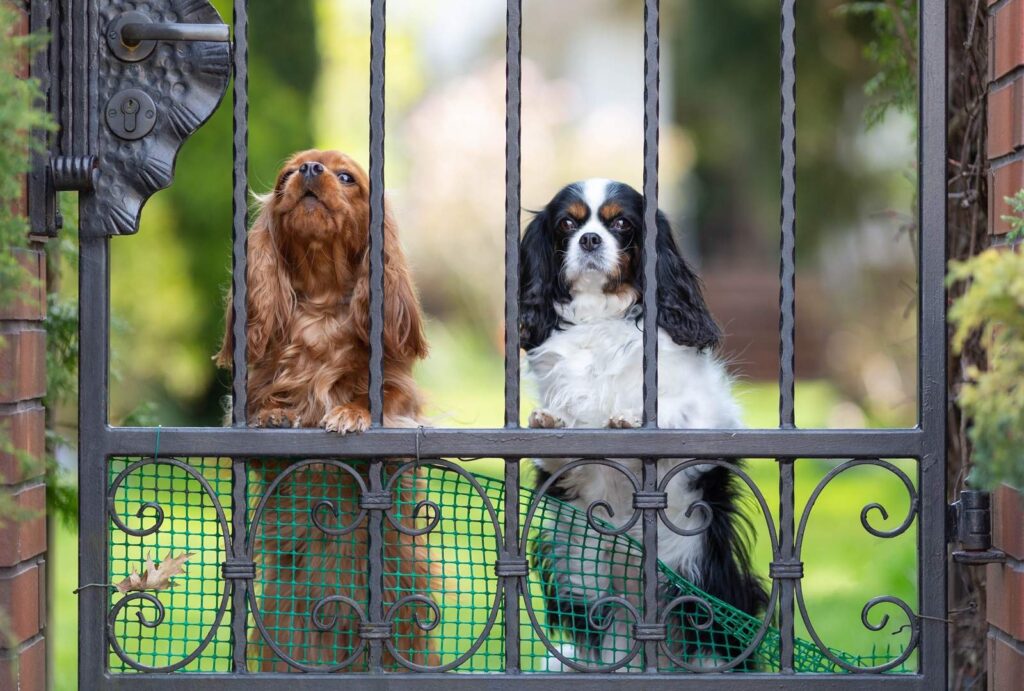
Dogs with separation anxiety often vocalize continuously when left alone. Neighbors may notice constant barking, whining, or howling shortly after the owner leaves the house.
2. Destructive Behavior
Chewing furniture, scratching doors, tearing cushions, or damaging window frames are common signs of anxiety-related stress. Many dogs focus their destruction near exits because they are trying to reach their owner.
3. Indoor Accidents
Even fully house-trained dogs may urinate or defecate indoors when anxious. These accidents are typically stress-related rather than training-related.
4. Pacing and Restlessness
Some anxious dogs repeatedly walk in circles or pace back and forth. This repetitive behavior is often a sign of emotional distress.
5. Escape Attempts
Dogs experiencing severe anxiety may attempt to escape crates, rooms, or fences. In some cases, this can lead to injuries to their teeth, paws, or nails.
6. Changes in Appetite
Stress can affect eating habits. Some dogs refuse food or treats when left alone, even if they normally have a healthy appetite.
What Causes Separation Anxiety in Dogs?
There is rarely one single cause. Separation anxiety in dogs usually develops from a combination of environmental changes, emotional attachment, and past experiences.
1. Sudden Changes in Routine
Dogs become comfortable with predictable schedules. Changes such as a new work routine, longer hours away from home, or returning to the office after remote work can trigger anxiety.
2. Moving to a New Home
Relocating to a different environment can create uncertainty and stress for dogs, especially when combined with unfamiliar sounds, smells, and routines.
3. Changes in Household Members
The loss of a family member, another pet, or even children leaving for school can affect a dog’s emotional stability.
4. Adoption and Rehoming
Rescue dogs and adopted pets may have experienced abandonment or inconsistent care in the past. This history can contribute to attachment-related anxiety.
5. Lack of Independence Training
Some dogs become overly dependent on constant human presence if they are never taught how to spend time alone comfortably.
How to Help a Dog With Separation Anxiety
Helping an anxious dog requires patience, consistency, and gradual behavior adjustment. Quick fixes rarely work, but steady routines and positive reinforcement can make a significant difference.
Create a Predictable Daily Routine
Dogs feel more secure when they know what to expect. Try to maintain consistent feeding, walking, playtime, and rest schedules each day.
Regular exercise is especially important because physical activity helps reduce stress and release nervous energy.
Practice Short Departures
Instead of suddenly leaving for hours, start with very short absences. Leave the room for a few minutes, then gradually increase the duration over time.
This process teaches dogs that departures are temporary and not something to fear.
Avoid Overly Emotional Greetings
Big greetings and dramatic goodbyes can unintentionally reinforce anxiety. Staying calm during arrivals and departures helps normalize the experience.
Provide Mental Stimulation
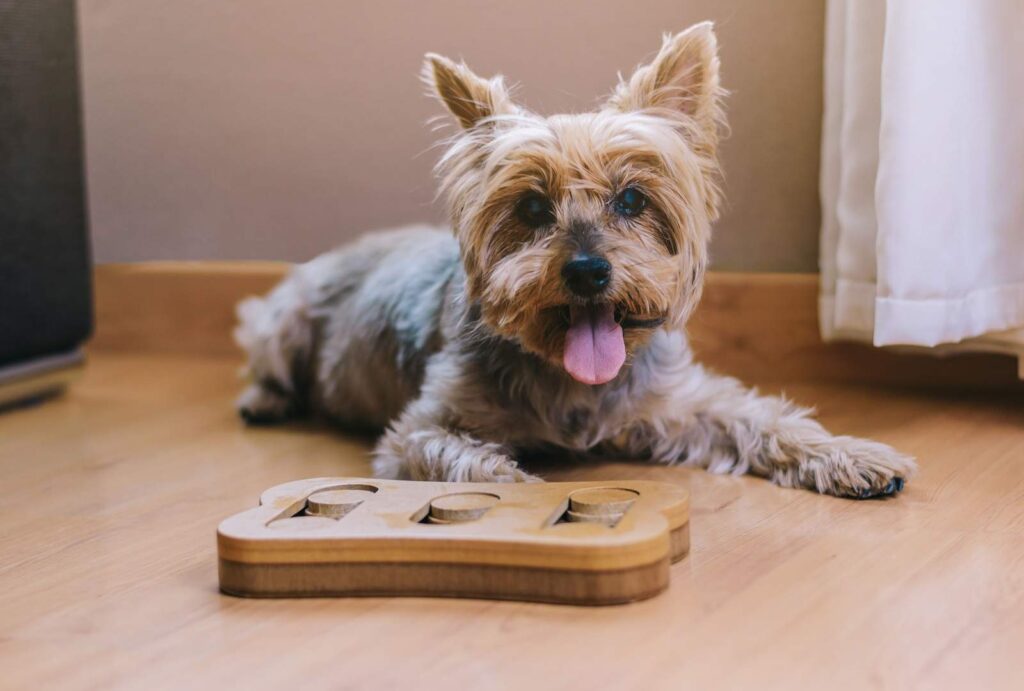
Interactive toys, puzzle feeders, and chew items can keep dogs mentally occupied while alone.
The Humane Society recommends enrichment activities to reduce boredom and stress in dogs.
Create a Safe and Comfortable Space
Some dogs benefit from having a quiet resting area with familiar bedding, toys, and calming background sounds.
Soft music or television noise may help reduce feelings of isolation for certain dogs.
Use Positive Reinforcement
Reward calm behavior rather than punishing anxious behavior. Punishment can increase fear and worsen anxiety symptoms.
Training sessions focused on confidence-building can help dogs feel more secure over time.
Can Dog Day Care Help With Separation Anxiety?
For many dogs, social interaction and supervised care can reduce stress during the day. Structured environments with human supervision, playtime, and routine activities may help prevent loneliness and boredom.
Services such as dog day care or pet sitting can be particularly helpful for dogs that struggle with long periods alone. At Dog House Dubai, dogs have access to supervised environments designed to keep them engaged, active, and comfortable throughout the day.
Not every dog responds the same way, but consistent routines and positive social experiences often support emotional balance.
Find out more How Dog Daycare Boosts Canine Confidence
When to Seek Professional Help
Some cases of separation anxiety in dogs are more severe and may require professional support.
Consider speaking with a certified dog trainer or veterinarian if your dog:
- Injure themselves during escape attempts
- Stops eating regularly
- Displays extreme panic behaviors
- Cannot tolerate being alone even briefly
- Shows worsening symptoms despite training efforts
In some situations, veterinarians may recommend behavioral therapy or temporary medication support alongside training.
Mistakes to Avoid When Managing Dog Separation Anxiety
- Punishing Your Dog: Dogs do not associate punishment with anxiety-related behavior after the fact. Scolding them for accidents or destruction usually increases stress rather than solving the issue.
- Leaving Dogs Alone for Too Long Too Soon: Progress should be gradual. Sudden long absences can reinforce fear and undo training improvements.
- Ignoring Physical Exercise: A bored dog with excess energy is more likely to become anxious and destructive. Daily walks and interactive play are essential.
- Expecting Immediate Results: Behavioral improvement takes time. Some dogs improve within weeks, while others may need months of consistent support.
Also, read
Conclusion
Separation anxiety in dogs can be challenging for both pets and owners, but it is manageable with patience, structure, and understanding. Recognizing the signs early and creating positive routines can help dogs feel more secure and relaxed when left alone.
Every dog responds differently, so finding the right combination of exercise, mental stimulation, training, and support is important. Whether through gradual independence training, supervised social environments, or professional guidance, small, consistent efforts often lead to meaningful progress over time.
A calmer dog usually starts with a calmer routine. Sometimes the solution is not complicated. It is consistency, patience, and a little less dramatic “I’ll miss you too” energy at the front door.