
Table of Contents
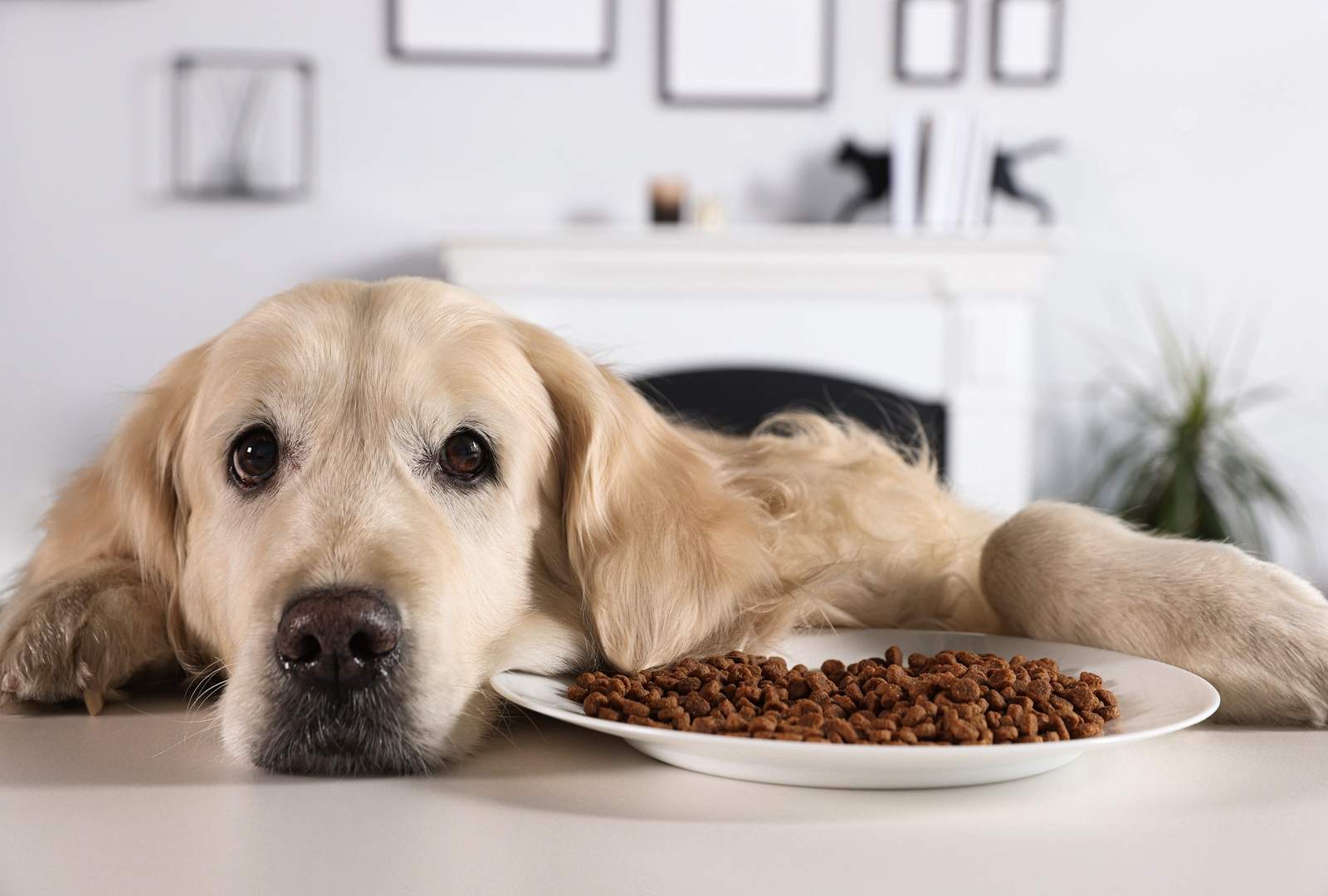
When temperatures rise in Dubai, many pet owners begin noticing changes in their dog’s daily routine. Dogs may sleep more, avoid outdoor activity, drink more water, and sometimes show less interest in food. It is very common for dogs to eat less during hot weather, especially during the peak summer months when the heat becomes intense.
While it can feel concerning when your dog suddenly leaves food in the bowl, there are several normal reasons why dogs eat less in warmer conditions. Understanding how heat affects appetite can help owners know when the behavior is expected and when it may be a sign of something more serious.
Why Dogs Eat Less During Hot Weather
One of the most common summer behavior changes is that dogs eat less when temperatures become uncomfortable. Just like humans often prefer lighter meals during hot days, dogs also adjust their eating habits based on environmental conditions.
According to the American Kennel Club, warmer temperatures can affect a dog’s activity levels and overall appetite. When dogs become less active due to heat, their bodies naturally require fewer calories.
Lower Activity Means Lower Appetite
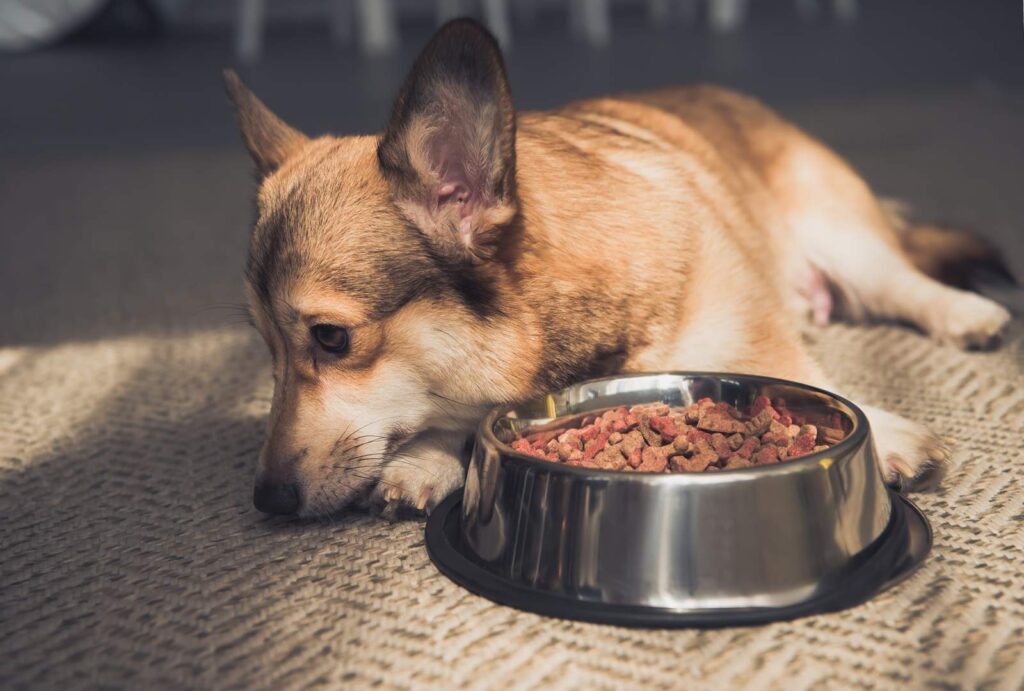
A major reason dogs eat less in summer is that they burn less energy during the day. Many dogs avoid running, playing, or walking for long periods when temperatures are high.
Dogs tend to:
- Rest more often
- Sleep longer in the afternoons
- Avoid direct sunlight
- Move less during peak heat
Because of this reduced activity, dogs eat less simply because their bodies do not need as much fuel.
Heat Makes Digestion Less Comfortable
Another reason dogs eat less during hot weather is that digestion itself produces body heat. During already extreme temperatures, large meals can make dogs feel even warmer and less comfortable.
Some dogs naturally begin:
- Eating smaller portions
- Taking longer to finish meals
- Preferring food later in the evening
- Skipping meals during very hot afternoons
This is especially common in Dubai, where outdoor temperatures can remain high well into the evening.
Why Hydration Becomes More Important Than Food
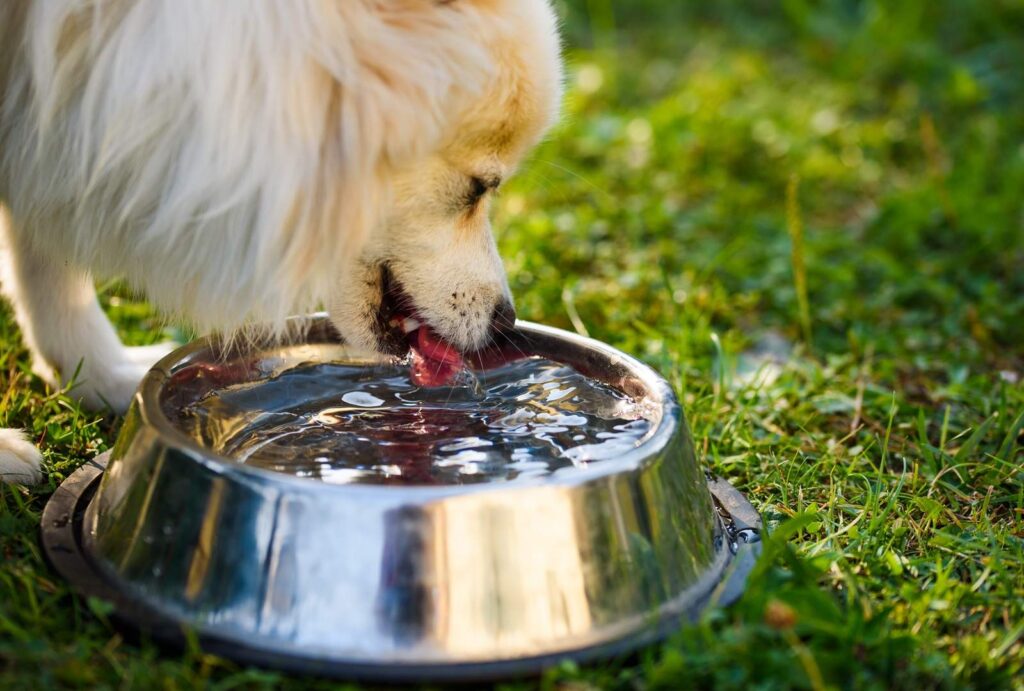
During summer, many dogs focus more on drinking water than eating full meals. Since dogs cool themselves mainly through panting, staying hydrated becomes essential for regulating body temperature.
The PetMD explains that dogs are vulnerable to heat-related illness and dehydration during warm weather, making water intake extremely important.
In many cases, dogs eat less but drink more water during the summer months. If your dog remains active, alert, and hydrated, a slightly smaller appetite is often not a major concern.
Dogs Often Shift Their Eating Schedule
It is normal for dogs to eat less during the hottest parts of the day and then become more interested in food later at night when temperatures cool down.
Many owners notice their dogs:
- Ignore breakfast temporarily
- Eat more after sunset
- Prefer cooler indoor feeding areas
- Snack lightly instead of eating large meals
Adjusting feeding schedules can often help improve appetite naturally.
Which Dogs Are More Likely to Eat Less in Heat?
Not all dogs respond to heat the same way. Certain breeds and age groups are more sensitive to warm weather and, therefore, more likely to reduce food intake.
Flat-Faced Breeds
Breeds such as:
- Bulldogs
- Pugs
- French Bulldogs
- Boxers
often struggle more with heat because their shorter airways make cooling down harder. These dogs frequently eat less during summer because overheating happens more quickly.
Thick-Coated Breeds
Dogs with heavy coats may also struggle during Dubai summers. Breeds like Huskies, Chow Chows, and Golden Retrievers may become uncomfortable faster outdoors, which contributes to lower activity and reduced appetite.
Senior Dogs
Older dogs often eat less during hot weather because heat can affect their energy levels more significantly. Senior dogs may become tired more quickly and spend more time resting indoors.
When Dogs Eating Less Is Completely Normal
In many situations, dogs eat less without it indicating illness. A mild reduction in appetite is usually considered normal if your dog:
- Still drinks water regularly
- Remains playful or responsive
- Maintains normal bathroom habits
- Shows interest in treats
- Keeps a stable body weight
- Continues sleeping comfortably
Many healthy dogs simply adapt their routines to cope with high temperatures.
Some Dogs Naturally Self-Regulate
Dogs are often better at self-regulating food intake than owners realize. During hot months, dogs eat less because their bodies instinctively try to stay cooler and avoid unnecessary energy expenditure.
As long as hydration remains good and behavior stays normal, temporary appetite reduction may simply be part of seasonal adjustment.
Signs That Dogs Eating Less Could Be a Problem
Although dogs eat less commonly during hot weather, owners should still watch for warning signs that may indicate illness, dehydration, or heat exhaustion.
Contact a veterinarian if your dog:
- Refuses all food for over 24 hours
- Vomits repeatedly
- Has diarrhea
- Appears weak or unsteady
- Pants excessively indoors
- Shows signs of dehydration
- Has pale or dry gums
- Seems confused or lethargic
Heatstroke Is a Serious Emergency
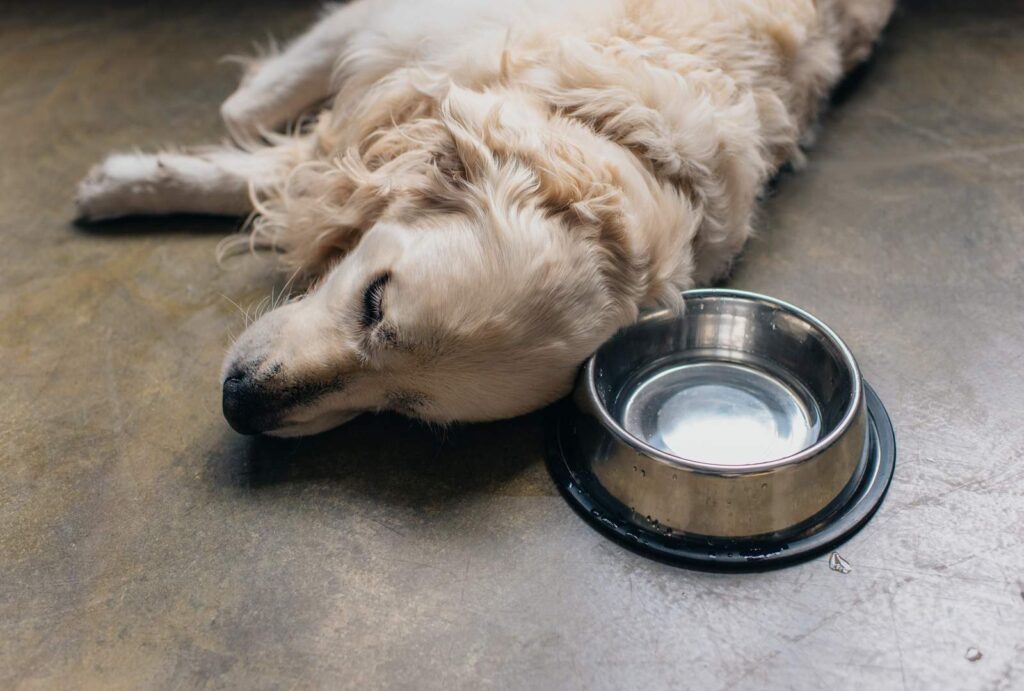
Sometimes dogs eat less because they are already experiencing the early stages of overheating. Heatstroke can become life-threatening very quickly in Dubai’s climate.
Signs of heatstroke include:
- Heavy panting
- Excessive drooling
- Bright red gums
- Vomiting
- Weakness
- Collapse
- Difficulty walking
Dogs should never be left outdoors for extended periods during extreme temperatures.
Find out more How to Prevent Heatstroke in Dogs: Key Signs and Safety Tips
Tips to Help Dogs Eat Better During Summer
If your dog has started eating less, a few simple changes can help improve comfort and encourage healthier eating habits.
Feed During Cooler Hours
One of the easiest ways to help when dogs eat less is by adjusting meal times.
Try feeding:
- Early morning
- Late evening
- After indoor cooling
- Following rest periods
Cooler temperatures often make eating more comfortable.
Keep Water Fresh and Accessible
Since dogs prioritize hydration during summer, water bowls should always remain clean and easily available.
Some dogs drink more when:
- Multiple bowls are placed around the home
- Water is changed frequently
- Bowls are kept in shaded areas
- Ice cubes are added occasionally
Avoid Intense Midday Exercise
Overexertion during hot weather can worsen appetite loss. Long walks during peak afternoon temperatures can leave dogs overheated and uninterested in food.
Instead:
- Walk dogs early in the morning
- Choose evening exercise times
- Avoid hot pavement
- Keep outdoor sessions shorter
Offer Smaller Meals
Large meals can feel heavy during warm weather. Since dogs eat less naturally during summer, smaller portions may feel easier to manage.
Some dogs respond better to:
- Smaller meals twice daily
- Slightly softened kibble
- Cooler feeding environments
- Reduced treat intake between meals
Grooming Can Help Dogs Stay Comfortable
Proper grooming can improve overall comfort during hotter months, especially for dogs with thick or long coats.
Regular grooming may help:
- Improve airflow through the coat
- Reduce trapped heat
- Prevent matting
- Keep skin cleaner and healthier
When dogs feel more comfortable physically, their appetite can also improve. Professional grooming services such as shower and blow-dry sessions, ear cleaning, teeth brushing, and hypoallergenic shampoo treatments for sensitive dogs can help support comfort during Dubai’s hotter seasons.
Owners looking for a safe and comfortable environment for daycare, boarding, grooming, dog walking, or pet sitting can learn more through Dog House Dubai.
Also, read
Conclusion
Yes, dogs eat less during hot weather very commonly, especially in climates like Dubai, where temperatures can become extreme for long periods. In many cases, dogs eat less because they are less active, more focused on hydration, and naturally trying to stay cool.
A mild appetite decrease is usually normal if your dog still drinks water, behaves normally, and maintains healthy energy levels. However, owners should always monitor for warning signs such as vomiting, weakness, dehydration, or complete refusal to eat.
Understanding why dogs eat less during summer helps owners make better decisions about feeding schedules, hydration, exercise, and overall care. With proper attention and cooling strategies, most dogs adjust safely and comfortably throughout the hottest months of the year.