
Table of Contents
Dog bullying behavior is more common than many pet owners realize, especially in social environments such as parks, day care settings, or multi-dog households where interactions are frequent and often unsupervised. While some level of rough play is completely normal, repeated intimidation, dominance, or forceful behavior toward other dogs should never be ignored, as it often signals deeper behavioral issues that can escalate over time.
This guide explores the root causes, clear warning signs, and practical training solutions that can help you manage and correct dog bullying behavior before it turns into a more serious problem.
What Is Dog Bullying Behavior?
Dog bullying behavior occurs when one dog repeatedly targets another with controlling, forceful, or unwanted actions, creating an imbalance in what should otherwise be healthy interaction. This may include excessive mounting, relentless chasing, body slamming, or blocking access to space, toys, or even human attention, all of which can cause stress or fear in the other dog.
Common Causes of Dog Bullying Behavior
Understanding the underlying cause is essential because dogs do not develop bullying behavior without reason, and identifying the trigger allows for more effective correction.
1. Lack of Proper Socialization
Dogs that were not properly exposed to different environments, people, and other dogs during their early developmental stages often struggle to interpret social cues correctly, which can lead to overly forceful or inappropriate interactions.
2. Excess Energy and Boredom
When a dog has too much pent-up energy and not enough structured outlets, that energy often manifests as dominant or overly intense play, which can quickly turn into bullying if left unmanaged.
3. Learned Behavior
Dogs are highly observant and will repeat behaviors that produce results, so if bullying has previously helped them gain control, attention, or access to resources, they are likely to continue doing it.
4. Anxiety or Insecurity
In some cases, bullying behavior is not driven by confidence but by insecurity, with the dog attempting to control situations as a way to cope with uncertainty or stress.
5. Poor Environment or Overstimulation
Overcrowded or chaotic environments with little supervision can overwhelm dogs, making it more difficult for them to regulate their behavior and increasing the likelihood of inappropriate interactions.
Also, read
Signs Your Dog Is Bullying Other Dogs
Recognizing the difference between healthy play and bullying is critical, as early intervention can prevent escalation.
- Repeatedly targeting the same dog instead of interacting with others, which often indicates fixation rather than playful engagement
- Continuing to chase, pin, or dominate without allowing natural breaks creates an unbalanced interaction
- Ignoring clear social cues, such as growling, turning away, or yelping, signals a lack of respect for boundaries
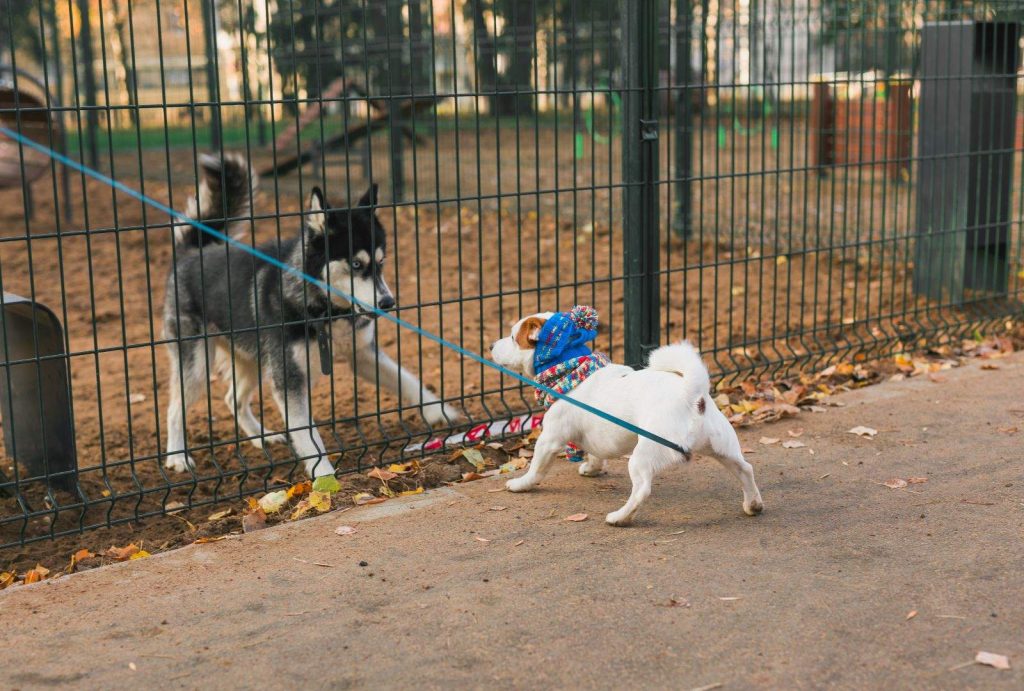
- Displaying tense body language, including stiff posture, intense staring, or raised hackles, all of which point to stress rather than play
For a deeper understanding of canine communication, the VCA Animal Hospitals provides a detailed guide.
Find out more Decode Your Dog: Understanding Dog Body Language
Why You Should Not Ignore Dog Bullying
Ignoring bullying behavior is a mistake because it rarely resolves on its own and often becomes more ingrained over time, making it increasingly difficult to correct as the dog grows more confident in the behavior.
Unaddressed bullying can lead to:
- Physical altercations that result in injury
- Increased fear or anxiety in other dogs
- Long-term behavioral regression or social avoidance
- Escalation into more serious forms of aggression
Even a single negative interaction can have lasting effects on a dog’s social confidence, which is why early intervention is essential.
Training Solutions to Stop Dog Bullying Behavior
Correcting bullying behavior requires consistency, patience, and a structured approach that focuses on both prevention and redirection.
1. Interrupt and Redirect Immediately
Intervening at the first sign of bullying is crucial, as allowing the behavior to continue reinforces it, so calling your dog away and redirecting their focus helps break the pattern early.
2. Reinforce Calm and Balanced Behavior
Rewarding your dog when they engage in appropriate play, respond to commands, or take natural breaks encourages them to repeat those behaviors instead of resorting to dominance.
3. Structured Socialization
Choosing controlled environments over chaotic ones ensures that interactions are monitored and guided, which significantly reduces the chances of bullying behavior developing or continuing.
4. Increase Physical and Mental Stimulation
Providing regular exercise and enrichment activities helps release excess energy, making dogs less likely to engage in frustration-driven behavior.
5. Teach Reliable Obedience Commands
Commands such as sit, stay, and recall give you the ability to manage your dog effectively during social interactions, allowing you to intervene before situations escalate.
6. Use Time-Outs When Necessary
Removing your dog from play when they ignore corrections teaches them that inappropriate behavior results in loss of access to social interaction.
7. Avoid Reinforcing the Behavior
Any form of attention, even negative, can reinforce bullying behavior, so consistency in correction is key.
How Day Care Can Help Reduce Dog Bullying Behavior
Dog day care can be highly effective in addressing bullying behavior when it is structured, supervised, and designed to guide interactions rather than simply allowing uncontrolled play. The goal is to create an environment where dogs learn appropriate social behavior through consistent exposure and correction.
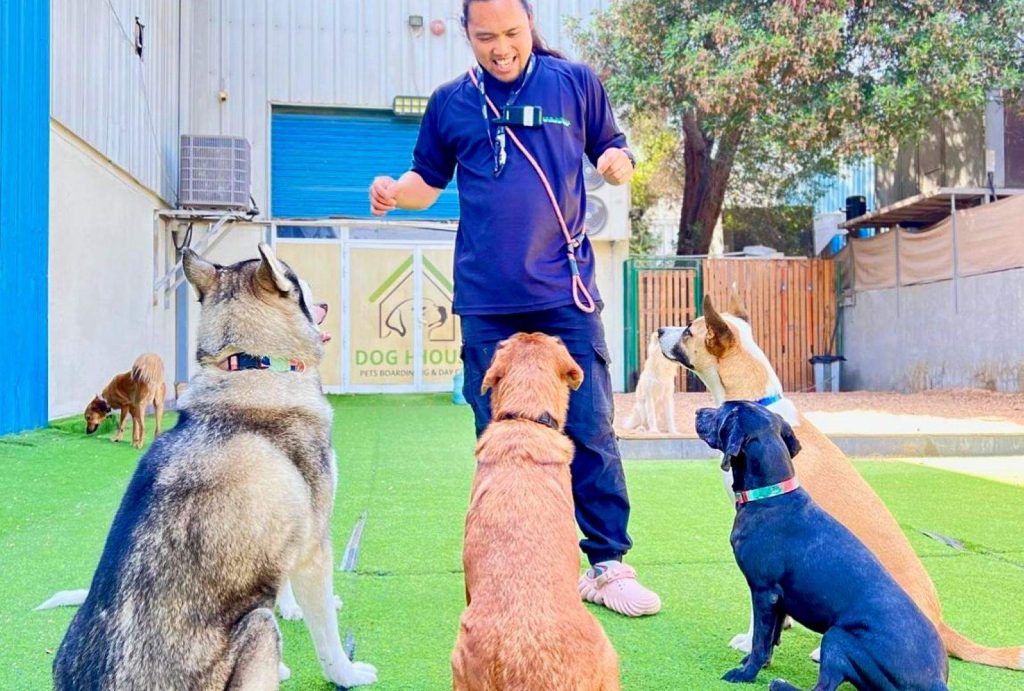
- Controlled Socialization: In a professionally managed environment like Dog House Dubai, dogs are introduced to others in a controlled and balanced way, which helps prevent overwhelming situations that often trigger bullying tendencies while encouraging respectful interaction.
- Supervised Play and Behavior Guidance: With trained staff actively monitoring interactions, early signs of bullying such as excessive chasing, fixation, or forceful play are identified and corrected immediately, preventing escalation and reinforcing better behavior patterns.
- Structured Energy Release: Many dogs display bullying behavior simply due to excess energy, and day care provides a structured outlet where that energy is managed through guided activity rather than uncontrolled interaction. At Dog House Dubai, dogs engage in supervised play that promotes balance, helping reduce the likelihood of dominant or aggressive patterns forming.
- Long-Term Social Improvement: Over time, consistent exposure to structured group settings helps dogs understand that calm and respectful behavior leads to continued interaction, while inappropriate behavior results in interruption, creating a clear and effective learning process.
For pet owners looking to improve their dog’s behavior in a safe and supervised setting, explore professional day care options at dog-house.ae.
Also, read
When to Seek Professional Help
If bullying behavior becomes more intense or begins to show signs of aggression, working with a qualified professional is the next step, as they can provide tailored strategies based on your dog’s specific behavior.
Prevention Tips for Long-Term Success
- Start socialization early by gradually exposing dogs to different environments and controlled interactions
- Monitor play sessions closely to ensure behavior remains balanced and appropriate
- Choose environments that match your dog’s temperament rather than forcing them into overwhelming situations
- Maintain a consistent routine that includes exercise, training, and structured activity
Conclusion
Dog bullying behavior should never be dismissed as normal play, as it often reflects a need for better structure, clearer boundaries, and more controlled social experiences that support healthy interaction. When addressed early with consistent training and proper guidance, most dogs can significantly improve their behavior and develop more balanced social skills.
Structured environments play an important role in this process, as they provide the supervision and consistency needed to reinforce positive behavior while preventing negative patterns from forming. Dog House Dubai offer day care settings where interactions are carefully managed, helping dogs build confidence, learn boundaries, and become more socially adaptable over time.