
Table of Contents
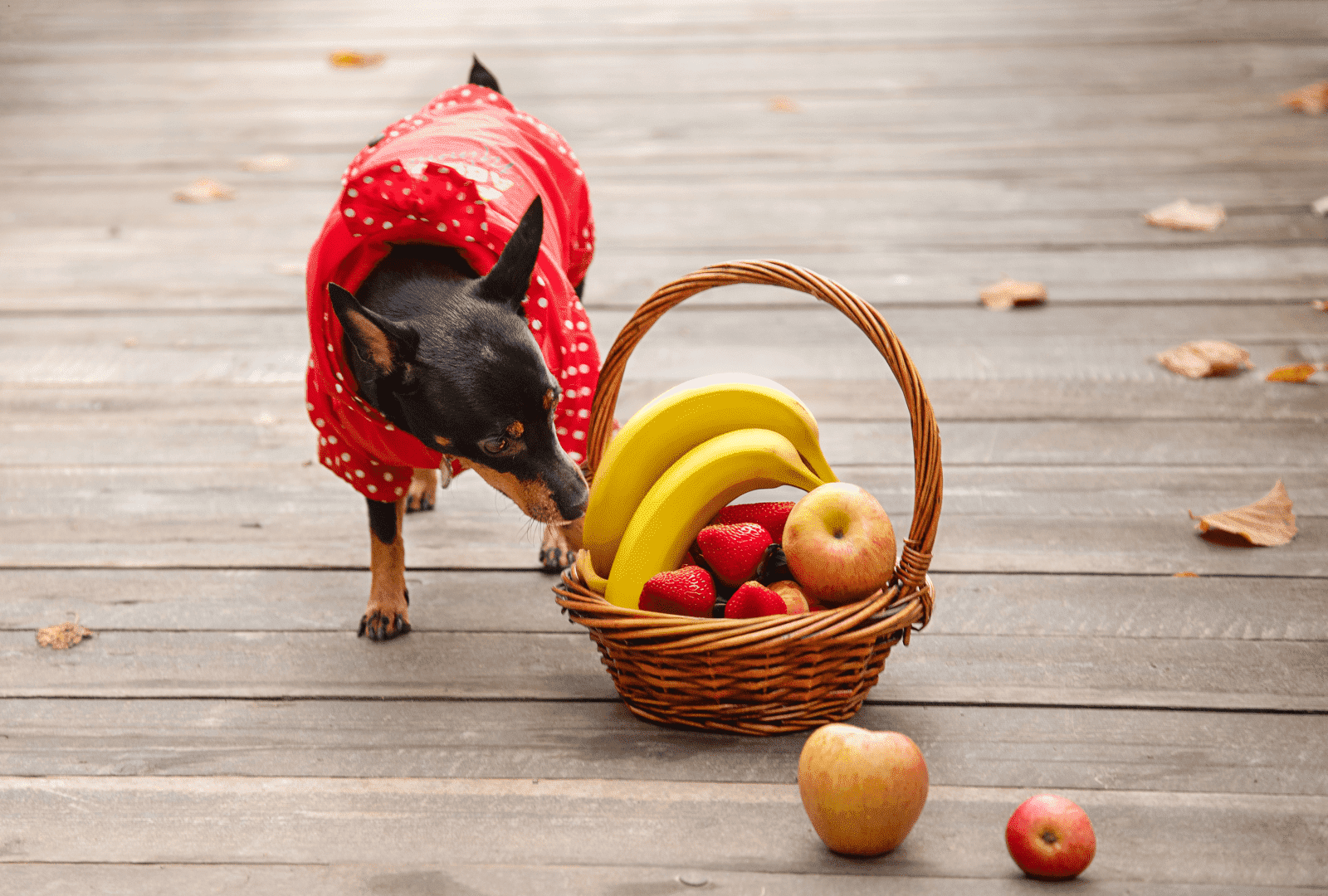
Sharing food with your dog can feel like an act of love, but not all “healthy” human foods are dog-safe. Some fruits are excellent low-calorie snacks packed with vitamins and hydration benefits, while others can cause digestive upset or worse.
This guide breaks down 8 safe fruits for dogs, with clear serving sizes, prep tips, and safety notes so you can treat your pup confidently and avoid unnecessary vet visits.
Why Fruit Can Be Good for Dogs (In Moderation)
Fruits can be a great occasional treat, not a meal replacement. They are typically:
- Low in fat
- High in fiber
- Naturally hydrating
- Rich in vitamins and antioxidants
That said, dogs do not need fruit nutritionally. Think of fruit as a bonus snack, not a daily requirement.
According to the American Kennel Club (AKC), treats, including fruit, should make up no more than 10% of a dog’s daily caloric intake.
Understanding safe fruits for dogs allows you to add variety to treats while keeping nutrition and safety in balance.
8 Safe Fruits for Dogs
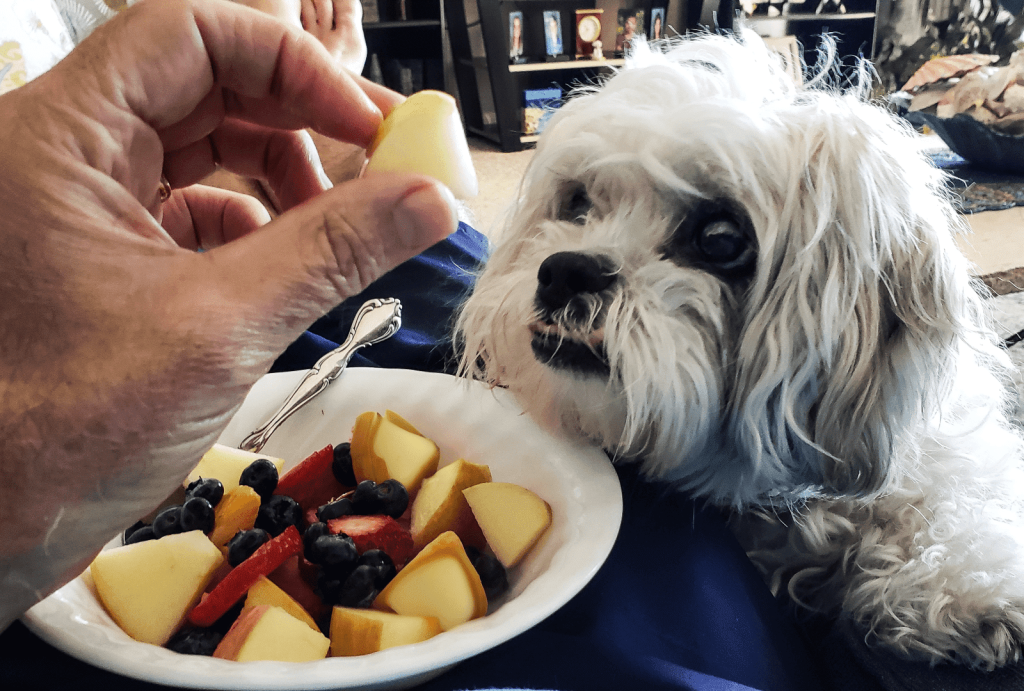
1. Apples (Seedless and Cored)
Why Apples Are Safe
Apples are rich in fiber and vitamin C, making them a crunchy, refreshing snack for dogs.
Serving Size
- Small dogs: 2 to 3 thin slices
- Medium dogs: 3 to 5 slices
- Large dogs: A small handful
Safety Tips
- Remove seeds and core, apple seeds contain cyanide
- Serve raw, sliced, and unseasoned
2. Blueberries
Why Blueberries Are Safe
These small berries are antioxidant-rich and commonly used in commercial dog food formulas.
Serving Size
- Small dogs: 2 to 3 berries
- Medium dogs: 5 to 6 berries
- Large dogs: Up to 10 berries
Safety Tips
- Serve fresh or frozen
- Introduce slowly to avoid digestive upset
3. Bananas
Why Bananas Are Safe
Bananas provide potassium, vitamin B6, and magnesium, but they are higher in sugar than most fruits.
Serving Size
- Small dogs: 1 to 2 small slices
- Medium dogs: 2 to 3 slices
- Large dogs: 3 to 4 slices
Safety Tips
- Treat only fruit due to sugar content
- Never feed banana peels
4. Watermelon (Seedless and Rind-Free)
Why Watermelon Is Safe
Watermelon is over 90% water, making it ideal for hydration, especially in hot climates like Dubai.
Serving Size
- Small dogs: 2 to 3 cubes
- Medium dogs: 4 to 6 cubes
- Large dogs: A small bowl
Safety Tips
- Remove seeds and rind
- Serve chilled and plain
5. Strawberries
Why Strawberries Are Safe
Strawberries are packed with vitamin C, fiber, and antioxidants. They also contain enzymes that may help reduce plaque buildup.
Serving Size
- Small dogs: 1 small strawberry, chopped
- Medium dogs: 2 strawberries
- Large dogs: 3 to 4 strawberries
Safety Tips
- Wash thoroughly
- Avoid canned or sweetened strawberries
6. Pineapple (Fresh Only)
Why Pineapple Is Safe
Fresh pineapple contains digestive enzymes such as bromelain, which may support digestion in small amounts.
Serving Size
- Small dogs: 1 to 2 small chunks
- Medium dogs: 2 to 3 chunks
- Large dogs: 3 to 4 chunks
Safety Tips
- No canned pineapple due to added sugar
- Remove skin and core
7. Mango (Peeled and Pit-Free)
Why Mango Is Safe
Mangoes offer vitamins A, B6, C, and E, but they are also naturally sweet.
Serving Size
- Small dogs: 1 to 2 cubes
- Medium dogs: 2 to 3 cubes
- Large dogs: 3 to 4 cubes
Safety Tips
- Remove the pit and skin
- Serve occasionally
8. Pears (Cored and Seedless)
Why Pears Are Safe
Pears are a good source of fiber and vitamin C.
Serving Size
- Small dogs: 2 to 3 small pieces
- Medium dogs: 4 to 5 pieces
- Large dogs: A small handful
Safety Tips
- Remove seeds and core
- Fresh pears only, no canned varieties
Fruits Dogs Should Never Eat
Knowing safe fruits for dogs is just as important as understanding which fruits should always be avoided:
- Grapes and raisins, linked to kidney failure
- Cherries, pits and stems are toxic
- Avocados, contain persin
- Citrus peels, may cause digestive upset
Also, read
How Often Can Dogs Eat Fruit?
- Frequency: 2 to 3 times per week
- Portion rule: Treats should not exceed 10% of daily calories
- When unsure, choose smaller portions
Dogs with diabetes, obesity, or food sensitivities should only be given fruit with veterinary guidance.
While many safe fruits for dogs can be offered as treats, moderation is key.
Conclusion
A healthy dog is a happy dog. Choosing safe fruits for dogs, serving the right portions, and maintaining good hygiene all contribute to a dog’s overall well-being. When balanced nutrition is paired with regular grooming, cleanliness, and consistent routines, dogs are more likely to stay comfortable, relaxed, and confident, especially in social care environments.
For dog owners looking for a trusted place where dogs receive attentive care and professional grooming, Dog House Dubai provides a dog-focused environment built around comfort and well-being.
Also, read