

Table of Contents
Ice cream is a favorite treat for humans, especially in hot weather. When your dog looks at you with those hopeful eyes while you’re enjoying a scoop, it’s natural to wonder: Can dogs eat ice cream?
The short answer is not safely, and not regularly. While ice cream isn’t always immediately toxic, it comes with several risks that dog owners should understand before sharing even a small bite. This guide breaks down what’s actually in ice cream, why it can be harmful for dogs, and safer alternatives that won’t upset their stomach or health
Can Dogs Eat Ice Cream?
Can dogs eat ice cream? Technically, a small lick may not cause immediate harm in some dogs, but that doesn’t make it safe or appropriate.
Most ice cream is made for human digestion, not canine systems. Dogs process dairy, sugar, and artificial ingredients very differently. What feels like a harmless treat can quickly lead to digestive issues, weight gain, or worse.
According to the American Kennel Club (AKC), many dogs are lactose intolerant and struggle to digest dairy products like milk and cream:
Why Ice Cream Is Risky for Dogs

1. Lactose Intolerance in Dogs
Most adult dogs produce very little lactase, the enzyme needed to digest lactose. This means dairy products can cause:
- Diarrhea
- Gas and bloating
- Vomiting
- Abdominal discomfort
The ASPCA confirms that dairy products can trigger gastrointestinal upset in dogs:
Even dogs that seem fine after dairy exposure can develop sensitivity over time.
2. High Sugar Content
Ice cream is loaded with sugar. Dogs do not need sugar in their diet, and excess sugar can lead to:
- Obesity
- Dental problems
- Increased risk of diabetes
- Energy spikes followed by crashes
Veterinary nutrition guidelines consistently warn against sugary human foods for dogs. The VCA Animal Hospitals explain how excess calories and sugar contribute to long-term health issues in pets:
3. Dangerous Ingredients Found in Ice Cream
Some ice cream ingredients are toxic to dogs, even in small amounts.
Chocolate
Chocolate contains theobromine, which dogs cannot process effectively. According to the ASPCA, chocolate toxicity can cause vomiting, tremors, seizures, and even death:
Xylitol
Certain sugar-free or “low-calorie” ice creams contain xylitol, a sweetener that is extremely dangerous for dogs. Xylitol can cause rapid insulin release, leading to hypoglycemia and liver failure.
Nuts, Caramel, and Flavor Add-Ins
Macadamia nuts, excessive fats, and artificial flavorings can all pose risks ranging from digestive upset to neurological symptoms.
Can Puppies Eat Ice Cream?
If adult dogs struggle with ice cream, puppies are even more vulnerable.
Puppies have immature digestive systems, making them more likely to experience:
- Severe diarrhea
- Dehydration
- Vomiting
- Disrupted growth patterns
Veterinary guidance generally advises avoiding all dairy treats for puppies unless specifically recommended by a vet.
Is Any Type of Ice Cream Safe for Dogs?
Plain vanilla ice cream without chocolate, artificial sweeteners, or add-ins is sometimes described as “less harmful,” but that doesn’t mean it’s safe.
Even plain ice cream still contains:
- Dairy
- Sugar
- High fat content
According to PetMD, high-fat foods can also increase the risk of pancreatitis in dogs:
So while it may not be immediately toxic, it’s still not a smart treat choice.
Dog-Safe Alternatives to Ice Cream
Instead of asking can dogs eat ice cream, a better question is: What can dogs eat instead?
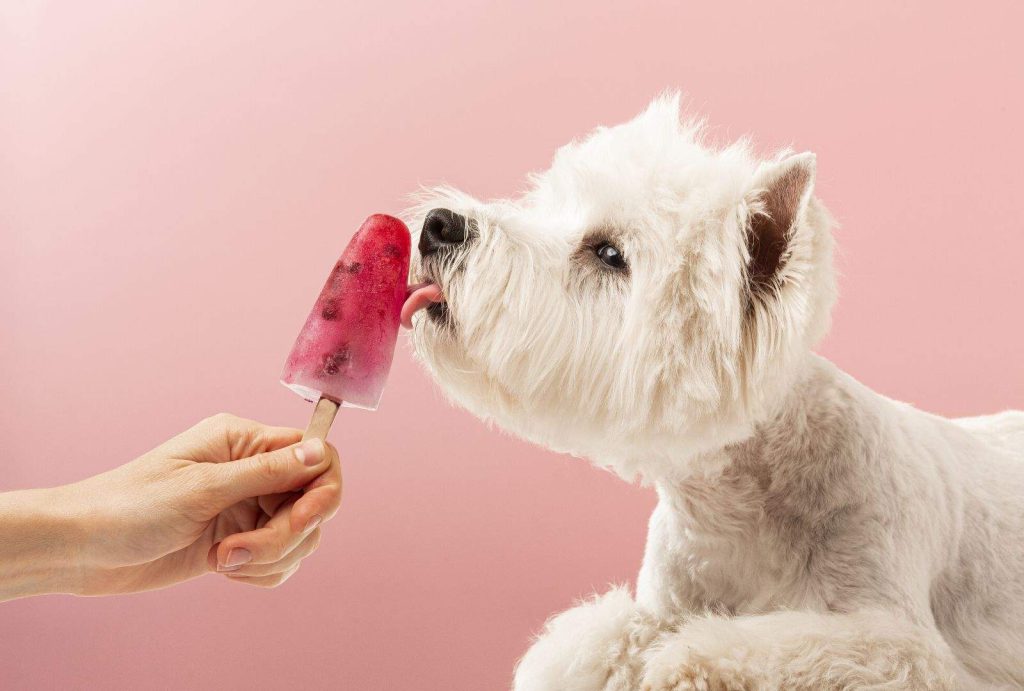
1. Frozen Fruit Treats
Some fruits are safe for dogs and make refreshing frozen snacks when served plain and in moderation.
Safe options include:
- Blueberries
- Apples (no seeds)
- Watermelon (no seeds or rind)
Freeze small pieces for a cooling treat without sugar or dairy.
2. Frozen Dog Treats
Many commercially available dog treats are designed specifically for canine digestion. Look for products that are:
- Free from xylitol
- Low in sugar
- Made with dog-safe ingredients
Always check labels and avoid “human-style” desserts marketed as pet treats without veterinary backing.
3. Plain Frozen Yogurt (Use Caution)
Some dogs tolerate small amounts of plain, unsweetened yogurt better than ice cream. However, this still depends on the dog’s individual lactose tolerance. It should never contain:
- Added sugar
- Artificial sweeteners
- Flavorings
When in doubt, skip dairy entirely.
Also, read
Signs Your Dog Ate Ice Cream and Isn’t Feeling Well
If your dog manages to eat ice cream, watch closely for symptoms such as:
- Diarrhea
- Vomiting
- Lethargy
- Excessive drooling
- Tremors
If symptoms are severe or persistent, consult a veterinarian immediately.
Supporting Your Dog’s Health Beyond Treats
Nutrition is only one part of your dog’s overall well-being. Regular grooming, hygiene care, and stress-free environments play a major role in digestive health and comfort, especially in warm climates like Dubai.
Keeping your dog clean, cool, and comfortable can help reduce skin irritation, overheating, and stress-related digestive issues. Professional grooming routines, including proper bathing and coat care, are especially important for dogs exposed to heat year-round.
For pet owners in Dubai looking for professional pet care services, including grooming and safe transport, Dog House Dubai provides trusted care options designed to keep dogs comfortable, clean, and well-looked after in every season. Learn more at:
Final Verdict: Can Dogs Eat Ice Cream?
So, can dogs eat ice cream?
They shouldn’t.
While a small lick might not always cause harm, ice cream offers no nutritional benefit for dogs and carries real risks due to lactose, sugar, and potentially toxic ingredients. Safer, dog-friendly alternatives exist and are always the better choice.
When it comes to treats, the rule is simple: if it’s made for humans, think twice before sharing it with your dog. Your dog’s health will thank you for it.