
Table of Contents
Limping in dogs isn’t just a quirky walk or a temporary inconvenience; it’s a sign your canine companion could be in pain or discomfort. Whether your dog is suddenly favoring one leg or has been limping off and on, understanding the underlying causes can make all the difference in their comfort and health.
As pet parents and dog lovers, we all want our four-legged family members to stay happy, healthy, and active. This guide breaks down the most common reasons your dog might be limping — when to stay calm, when to take action, and when to seek veterinary care.
What Does Dog Limping Look Like?
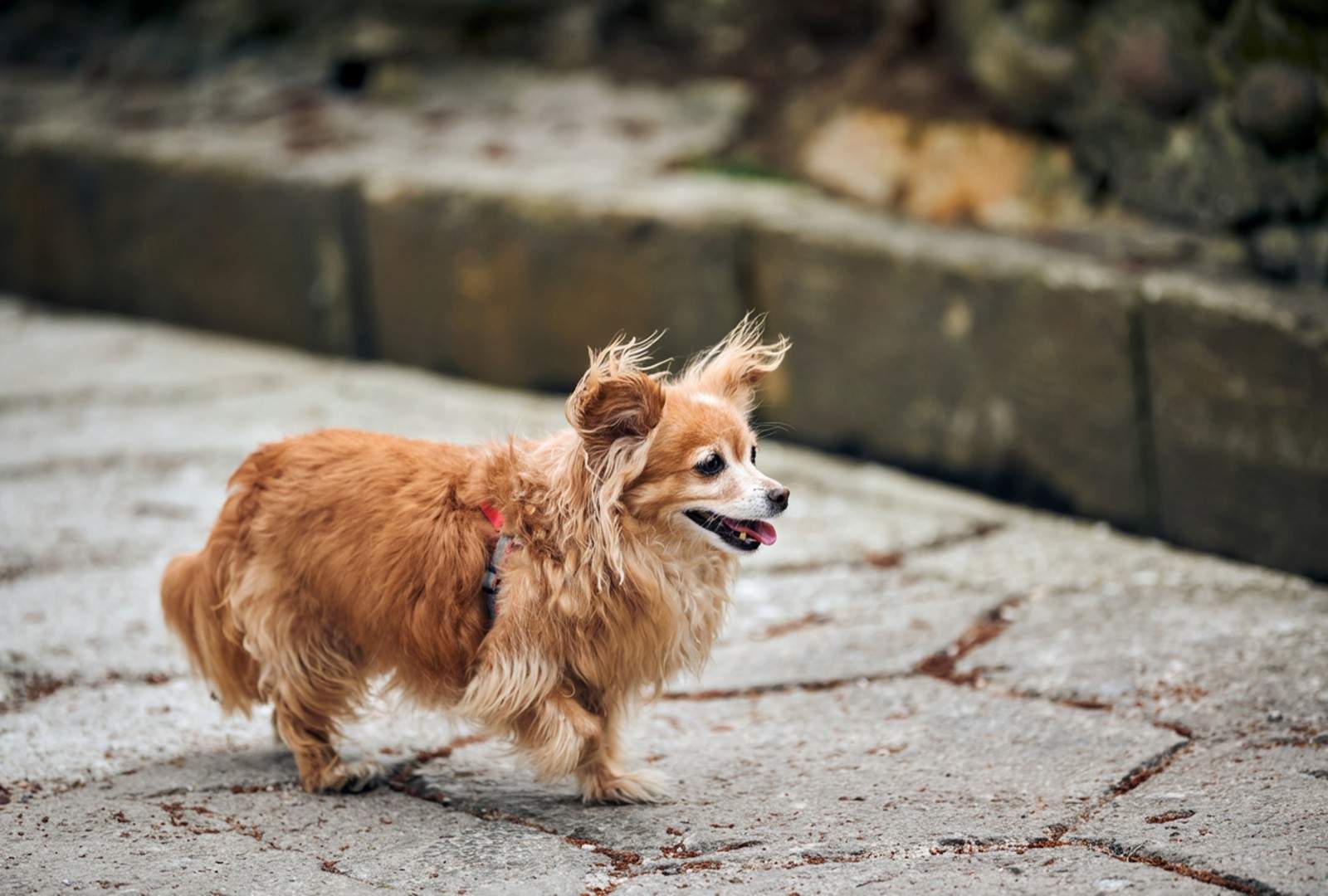
Dog limping can appear as:
- Hopping on three legs
- Favoring one paw while walking
- Skipping steps
- A noticeable head tilt or stiffness in gait
The first step is observing when your dog limps — after exercise? during rest? only on one side? These clues help identify the cause.
Common Causes of Dog Limping
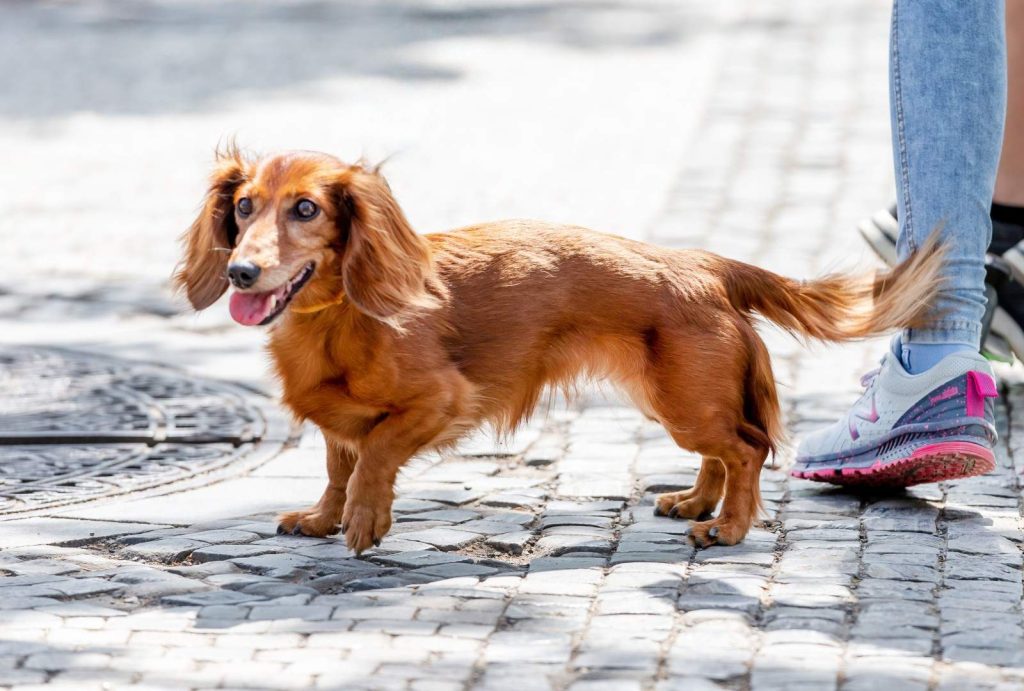
Dog limping can happen for many reasons, ranging from simple paw issues to joint or bone conditions.
1. Paw Injuries and Foreign Objects
Sometimes the most obvious things cause the biggest problems.
Dogs explore with their feet, which means:
- Cuts or scrapes
- Thorns, glass, or splinters stuck in paw pads
- Burns from hot sidewalks
- Nail injuries or broken claws
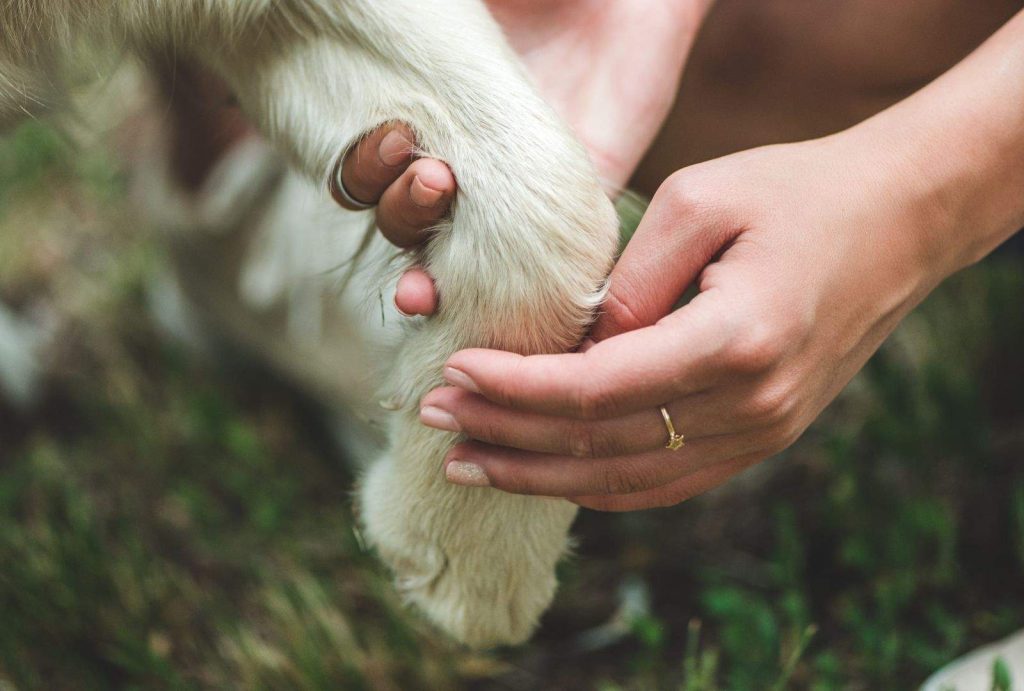
Check the paws closely — gently spread the toes and inspect for wounds or foreign material. If you see anything stuck, remove it carefully and clean the area with a mild antiseptic.
Tip: Keep your dog’s paws clean and nails trimmed to reduce the chance of injuries.
Learn more about caring for dog paws here.
2. Muscle Strain or Sprain
Just like humans, dogs can pull a muscle or sprain a joint from running, jumping, or playing hard.
Signs include:
- Limping after exercise
- Sensitivity when touched
- Temporary stiffness
Minor strains often improve within a few days of rest and restricted activity. However, if your dog’s limp persists beyond a couple of days, it’s time to talk to a vet.
3. Arthritis and Joint Conditions
Arthritis is a very common cause of dog limping, especially in senior dogs and large breeds. Joint inflammation causes stiffness and discomfort, which often leads to limping.
Arthritis symptoms:
- Limping that comes and goes
- Difficulty climbing stairs
- Stiffness when rising from rest
- Warm, swollen joints
If your dog is limping in later life, ask your vet about joint supplements, weight management, and low-impact exercise routines.
Find out more How to Spot Early Signs of Arthritis in Dogs: Prevention and Management Tips
4. Nail Problems
Overgrown or torn nails can be painful and cause limping.
Common nail issues:
- Split nails
- Ingrown nails
- Infections near nail beds
Regular grooming, nail trims, and asking a professional groomer at Dog House Dubai to handle tricky trims can prevent these issues.
Also, read
5. Hip or Elbow Dysplasia
This is a genetic condition most often seen in large breeds like German Shepherds, Labradors, and Great Danes.
Symptoms often start gradually and may include:
- Limping in rear legs
- Reduced activity
- Difficulty standing
If your dog shows consistent limping or weakness in a hip or elbow, a vet may recommend imaging tests like X-rays to confirm the diagnosis.
6. Infections and Inflammation
Infections in the paw, joints, or soft tissues can cause a dog to limp. These cases often involve swelling, heat, and pain. These often come with:
- Fever
- Warmth or redness
- Pain when touched
In these cases, veterinary care is essential to diagnose and treat the infection properly.
7. Bone Fractures or Dislocations
When limping follows a fall, collision, or known trauma, bones and joints could be damaged.
Warning signs:
- Crying or yelping
- Visible deformity
- Unable to bear any weight
If you suspect a fracture or dislocation, get to your vet or emergency animal hospital immediately. Stabilizing the limb and pain management are top priorities.
When Should You See a Vet?
Not all limping requires an emergency trip, but erring on the side of caution is smart.
Seek Immediate Care
Go to a vet right away if your dog:
- Is non-weight-bearing
- Shows severe pain
- Has open wounds or heavy bleeding
- Suddenly limps after a known injury
Same-Day Veterinary Visit
Book a vet visit soon when:
- Limping doesn’t improve in 24-48 hours
- Your dog seems lethargic or depressed
- You notice swelling, heat, or trouble moving
Home Care Tips for Mild Dog Limping
While vet care is best for many conditions, you can support recovery at home for milder issues.
Rest and Controlled Activity
Just like people, dogs need rest to heal:
- Avoid running, jumping, and long walks
- Use short leash walks only
- Provide a comfortable, quiet resting spot
Cold Compress for Swelling
Apply a cold compress wrapped in a cloth for 10–15 minutes a few times a day. This reduces inflammation and soothes pain.
Preventing Limping in the Future
You won’t stop every injury, but you can seriously reduce the chances:
Regular Grooming and Paw Checks
Schedule ear cleaning, nail trims, and coat care regularly; this not only keeps your dog happy but also prevents painful paw problems. The team at Dog House Dubai offers gentle grooming and nail care services.
Smart Exercise
Match your dog’s activity to their age and breed. High-impact exercise isn’t ideal for puppies with developing joints or older dogs with arthritis.
Healthy Weight, Healthy Joints
Extra pounds put strain on joints. Work with your vet on a balanced diet plan to maintain a healthy weight and reduce limping risk.
Also, read
Conclusion
Dog limping can be caused by something as simple as a thorn in a paw or something more serious like a joint disorder or fracture. The key is paying attention — how your dog is walking, when it started, and whether additional symptoms accompany it.
If in doubt, talk to a vet sooner rather than later. Early detection and treatment lead to better outcomes.
And while you’re thinking about proactive care, don’t forget the basics: clean paws, proper grooming, and a watchful eye after playtime. If you want professional grooming, nail trimming, or paw care in Dubai, explore the services at Dog House Dubai.