

Table of Contents
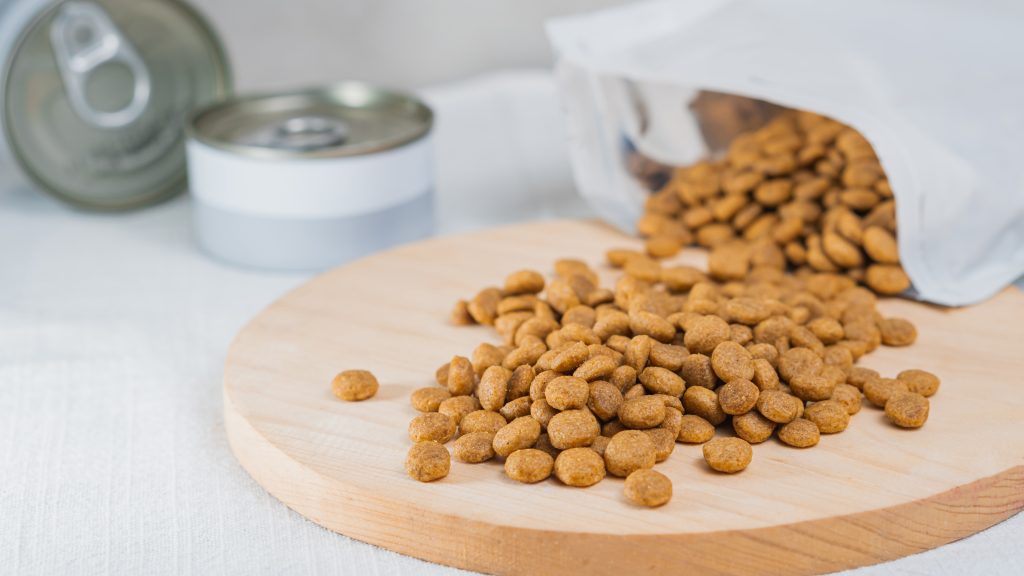
When it comes to your dog’s health, we often pay attention to the obvious things like exercise and grooming, but what about the food they eat? One common ingredient that can be harmful to our furry friends, yet often goes unnoticed, is salt. Although salt is an essential nutrient for dogs in small amounts, too much of it can lead to severe health problems. This post will explain why salt in dog food is harmful, the risks associated with excessive salt intake, and how to avoid it.
Why Salt Is Essential for Dogs—But Only in Moderation
Salt, or sodium chloride, plays a vital role in maintaining a dog’s fluid balance, nerve function, and muscle contraction. However, unlike humans, dogs don’t require as much sodium in their diet. The key is moderation. When sodium levels are too high, they can cause dehydration, kidney stress, and even more serious health conditions like heart disease.
To better understand how much salt is needed, according to the American Association of Feed Control Officials (AAFCO), the recommended minimum amount of sodium for adult dogs in maintenance (healthy, non-pregnant, and non-lactating) is 0.08% dry matter (DM). Most commercial dog foods meet this standard, but many pet food brands still add unnecessary amounts of salt to enhance flavor or extend shelf life.
Puppies and pregnant or nursing dogs require slightly more sodium, with a minimum of 0.3% sodium in their food to support growth and reproduction. These levels are carefully calibrated to meet their nutritional needs, but exceeding these amounts can have harmful effects.
The Risks of Too Much Salt in Dog Food
Excessive salt in dog food can cause several health problems. Here are some of the risks:
1. Dehydration: Dogs who consume too much salt may experience increased thirst as their bodies try to counteract the excess sodium. This can lead to frequent urination and dehydration, making your dog feel sluggish and uncomfortable.
2. Kidney Disease: The kidneys are responsible for filtering excess salt from the body. Too much salt over time can stress the kidneys, leading to kidney disease or kidney failure in severe cases.
3. High Blood Pressure (Hypertension): Just like humans, dogs can develop high blood pressure if they consume too much salt. Hypertension can damage organs like the heart and kidneys and increase the risk of stroke.
4. Heart Disease: Excess sodium can put strain on your dog’s heart, particularly if they are already predisposed to heart disease. A high-salt diet can worsen existing conditions and increase the risk of heart failure.
5. Toxicity: In extreme cases, a dog can suffer from salt poisoning, which occurs when they consume a dangerously high amount of salt. Symptoms of salt poisoning include vomiting, diarrhea, seizures, and even coma.
How to Avoid Salt in Your Dog’s Food

As a responsible pet owner, you can take steps to minimize the amount of salt in your dog’s diet. Here’s how:
1. Read the Labels Carefully
The best way to check for salt content in dog food is to read the ingredient list. Sodium can be found in many forms, including salt (sodium chloride), sodium bicarbonate, and other sodium compounds. Look for dog foods that list low sodium levels and avoid those with high amounts of added salt.
2. Choose Fresh, Whole Foods
Opting for fresh, whole foods is an excellent way to ensure that your dog is getting fewer artificial additives, including salt. You can prepare homemade meals for your dog, using fresh ingredients like lean meats, vegetables, and rice. However, always consult with a veterinarian before making any major changes to your dog’s diet to ensure they are receiving a balanced meal.
3. Consider Low-Sodium Dog Food Brands
If you’re looking for commercial dog food options, several brands focus on offering low-sodium diets for dogs. These foods are specially formulated for dogs with certain health conditions, such as kidney disease or high blood pressure, and can be a safer option.
4. Avoid Human Food and Table Scraps
Many human foods, like processed meats, fast food, and chips, contain dangerously high levels of salt. Avoid feeding your dog table scraps or leftovers from your meals, as these can be packed with sodium. Stick to dog-specific treats and meals.
5. Monitor Salt Intake in Treats
Dog treats are another common source of hidden salt. Check the labels of any dog treats you purchase and be mindful of their sodium content. You can even make your own dog treats at home to ensure they are free from excessive salt.
Sodium Poisoning: What to Watch For
If your dog has accidentally consumed a large amount of salt, it’s essential to know the signs of salt poisoning. Symptoms include:
- Vomiting
- Diarrhea
- Excessive thirst
- Frequent urination
- Lethargy
- Swelling
- Seizures
If you notice any of these signs, seek immediate veterinary attention. Salt poisoning can be life-threatening if not treated quickly.
Also, read
Conclusion
While salt is an essential nutrient for dogs, too much can be harmful to their health. Dehydration, kidney disease, and high blood pressure are just some of the risks associated with excessive salt in dog food. By reading labels carefully, opting for fresh food, and avoiding table scraps, you can ensure your dog stays healthy and happy. Always consult with your vet to find the best diet for your pet.
And when your pup is spending the day with us at Dog House Dubai—whether for boarding, daycare, or a refreshing groom—we’ll be sure to follow any instructions you provide related to their dietary needs or sensitivities. We’re dedicated to ensuring your dog’s comfort and well-being while they’re with us.
Need to book a session or learn more about our pet care services? Visit Dog House Dubai today to get started!
Also, read